
Protein: the buzzword is taking over the internet from all angles. While it’s true that protein is an essential building block for life, the reality is that you likely don’t need to worry about protein deficiency. However, it’s always possible to learn more about nutrition and how to best support your own health! Find out how much protein you need, how to get it, how it works in the body, and compare different sources.


What is Protein?
Protein is a substance naturally found in animals’ bodies. It’s made of 20 different types of amino acids. In humans, 11 of those amino acids can be synthesised (created by the body through rearranging other amino acids), but 9 must be consumed directly (called “essential amino acids”).
9 Essential Amino Acids
- Histidine
- Isoleucine
- Leucine
- Lysine
- Methionine
- Phenylalanine
- Threonine
- Tryptophan
- Valine
11 Non-Essential Amino Acids
- Alanine
- Arginine
- Asparagine
- Aspartic acid
- Cysteine
- Glutamic acid
- Glutamine
- Glycine
- Proline
- Serine
- Tyrosine
Amino acids are long chains of molecules. They all have a similar structure, but crucial differences in specific molecules make them different from one another; hence, we have the 20 different vital amino acids for life processes.
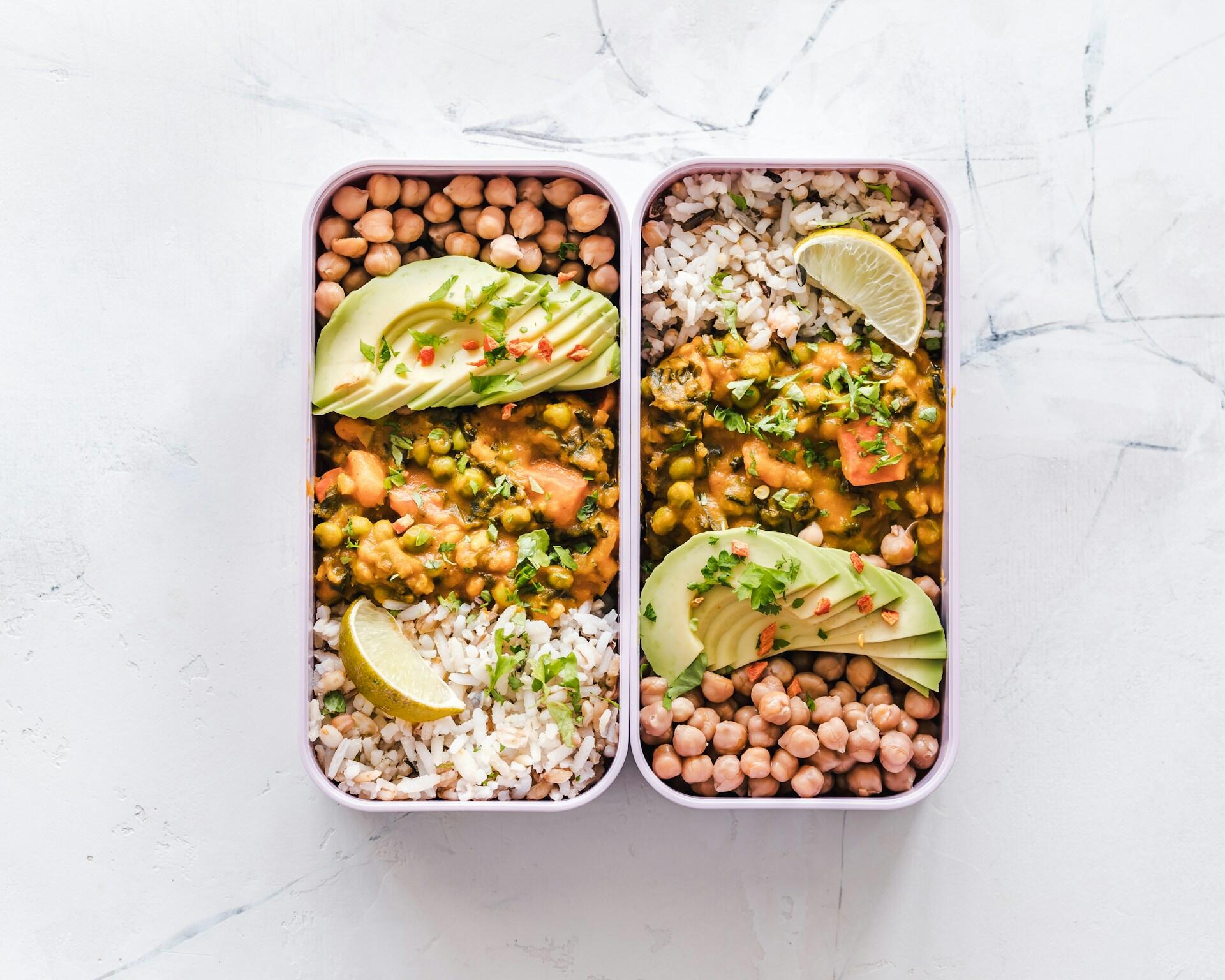
All the essential amino acids can be found in both plant and animal sources. The difference is that while all animal sources contain a non-negligible amount of all the amino acids, plant sources typically contain non-negligible amounts of only some of the amino acids in any particular item.
Think of it this way: animals have already synthesised all the amino acids together into their milk, eggs or meat by eating plants; when humans eat a variety of plants, we are synthesising amino acids from different sources into our body the same way as the animals did.
The answer depends on your age, body, any medical conditions, and lifestyle. In general, you should aim for 0.75g/kg (women) or 0.84g/kg (men) of body weight per day.
Here’s a quick look at plant and animal-based foods that are considered “complete” (contain all 9 essential amino acids) and “incomplete” (each food does not contain all 9 essential amino acids). Note that “incomplete” foods can be grouped together to create a “complete” protein in one meal, such as pairing beans and rice together. Eating a variety of foods, such as dairy, also ensures you get the other vitamins and minerals necessary in a healthy diet.
| Has All 9 Essential Amino Acids (Complete) | Does Not Have All 9 Essential Amino Acids (Incomplete) |
|---|---|
| Soy and soy-derived products (tofu, edamame, tempeh, soy milk, soy yoghurt, etc) | Most nuts and seeds, including nut paste or butters, nut milks or drinks, and nut yoghurts |
| Quinoa | Legumes, beans, lentils, pulses |
| Amaranth | Wholegrains (wheat, rice, oats) |
| Buckwheat | |
| Some nuts and seeds (though the levels of 1 or 2 of the AAs may be low) | |
| Beef, chicken, fish, other meats | |
| Eggs | |
| Dairy products (milk, yoghurt, cheese, etc) |
What Protein Does in the Body
Amino acids are crucial for life. They are used for constructing different types of proteins in the body and are continuously used, broken down, and repurposed by the body in a process called protein turnover. The human body is mostly made of water, fat, and different kinds of proteins.
Protein does not just constitute muscle. Some common types of body proteins include:
Antibodies, White blood cells
Lipase, amylase, protease, trypsin, pepsin
Thrombin, G6PD
Creatine kinase, transaminases (AST and ALT), lactate dehydrogenase, aldolase, actin, myosin
Insulin, growth hormone, cytokines
Collagen, tubulin, actin, keratin for bones, nails, hair, skin, organs
DNA polymerase
Endorphins
All these different proteins and protein-derived substances work together to keep the body healthy. Functionally, protein is specifically used in the following ways:
- Builds and repairs muscle tissue, especially after exercise or injury.
- Forms enzymes and hormones that regulate body processes.
- Supports immune function.
- Helps maintain healthy skin, hair, and nails.
- Stabilises blood sugar for sustained energy and mood.
- Critical for brain processes including thinking, focus, and memory.
What can’t protein do? Actually, protein is not a good way for the body to store energy. That’s what fat is for!

Protein deficiency
Protein deficiency is a very uncommon condition in most of the developed world. But it’s still important to make sure you’re getting the recommended amount of protein. Children and people over age 50 are at increased risk of complications from too little protein. Signs of a deficiency include:
- Shrinking muscle tissue and wasting
- Oedema (swelling caused by fluids, especially in feet and ankles)
- Anaemia (blood cells not functioning properly, not carrying oxygen properly; usually also associated with lack of iron)
- Chronic fatigue
- Changes in hair, nails, and skin
- Slow wound healing
- Mental tiredness, persistent brain fog and irritability
- Slow growth (in children)
Always check with your doctor if you have any concerning symptoms, as they can also be caused by other conditions, deficiencies or diseases.
The remaining mass is mostly water.

Best Animal-based Protein Sources
Animal-based sources of protein range in quality. They typically contain all the essential amino acids in forms that are easy for the body to absorb. However, many animal-based protein sources contain high amounts of salt, sugar, fat, and unhealthy preservatives or other additives. So, it’s important to choose healthier options as often as possible.
Healthier choices of animal-based proteins
These options are typically considered healthier choices because they are lower in added salt, sugar, fat, and other additives. Choose these options for the majority of your animal-based protein meal components.
- Lean meat: Beef, lamb, and pork are rich in protein and iron. Choose lean cuts to limit saturated fat.
- Organ meats: Livers, hearts, tongues, and gizzards are full of protein and other nutrients.
- Poultry: Chicken and turkey offer high protein with less fat than many red meats.
- Fish and seafood: Salmon, tuna, sardines, and prawns provide protein along with omega-3 fats.
- Eggs: Eggs contain all essential amino acids and important nutrients like choline.
- Dairy: Milk, yoghurt, and cheese supply protein and calcium. Greek yoghurt is especially high in protein.
Lean meats are generally low in carbohydrates, making them an attractive choice for certain types of diets. Note that not everyone needs to follow a low-carb diet, and talking with your healthcare provider is a smart move when it comes to this dietary decision.
Yes. Anyone can absorb the amino acids found in plants (unless they have a condition that prevents that). It’s common for people to have vegetarian or vegan meals several times per week and maintain their desired protein intake.
Best Plant-based Protein Sources
Contrary to what some people say, there are many plant based protein sources that are easily available, affordable and delicious. Vegetables, beans and other pulses and legumes, grains, and other plants typically make up the bulk of most meals anyway! Here are some of the most common protein-packed plant-based foods you can incorporate into your meal plans:
- Legumes and pulses: Beans, lentils, and chickpeas are among the best plant protein sources. They also provide fibre and iron.
- Soy products: Tofu, tempeh, edamame and soy milk are complete protein sources.
- Nuts and seeds: Almonds, peanuts, chia seeds, and pumpkin seeds offer protein and healthy fats.
- Whole grains: Quinoa, oats, and brown rice contain moderate protein. Quinoa is a complete protein.
- Seitan: This wheat gluten-based dough is often used as a meat replacement and contains more protein than tofu (though it lacks lysine).
- Plant-based dairy alternatives: Fortified soy yoghurt and milk can add protein, depending on the brand.
“Faux meats” or “mock meats” are not recommended as regular sources of protein for vegetarians and vegans because they often contain a lot of salt and additives. They are suitable as discretionary foods, and are usually healthier than their processed-meat counterparts (a veggie hotdog versus a meat hotdog, for example), but it’s not recommended to eat them every day.
Processed meats (like deli meat, bacon, hamburgers, and hot dogs) are the unhealthiest foods with protein. They have too much saturated fat and salt, and new studies even show they are carcinogens (cancer-causing).
Remember that most plant proteins lack at least one amino acid, so it’s necessary to eat a variety of foods to get them all. Combining things like beans and rice, pita and hummus, millet and nuts, and peanut butter with oats can create a “complete” amino acid profile in one meal. Research shows that well-planned plant-based diets can support health and muscle growth/maintenance, especially when adequate intake levels of protein are present.
Eating plant-based comes with a bonus: meeting your daily fruits and vegetables serve requirements is much easier!
What Foods Have the Highest Protein?
While it’s not necessary to eat tonnes of protein every day or at every meal, it’s good to know how to get a lot at once to make sure you’re meeting your daily needs. If you exercise regularly or find yourself unable to eat well-planned meals at some point, prioritising high-protein foods can be a smart decision.
Highest protein food list
Some foods are easy to identify as high-protein, like lean meats. But which ones actually give you the most protein per 100g serve?
- Protein powders (prepared with water), bars and other supplements: usually 10-30g per 100g
- Vital wheat gluten (seitan): 23g per 100g
- Goat meat: 43.6g
- Textured vegetable protein / soy granules (uncooked): 51.5g
- Parmesan cheese: 40.6g
- Lean beef: 37.5g
- Soy bean (dry): 31.3g
- Chicken breast (grilled): 29.8g
- French lentils (dry): 28.3g
- Prawn (cooked): 27.1g
- Canned salmon: 24.4g
- Sardine (fried): 22g
Some people prefer to look at how much protein a food has per kilojoule, rather than per serve. In that case, prawns, chicken breast, canned salmon, lean beef, sardines, nonfat Greek yoghurt, egg whites and seitan are your best choices.
Another big buzzword around protein and other nutrients is “bioavailability”. This means the effectiveness with which the body can absorb nutrients from a food. Animal proteins are usually about 95% bioavailable, and plant sources are usually about 40-60% bioavailable. That just means you need to eat more plants to get the same amount of nutrients as you would from animal products.
Surprising sources of protein
Some foods pack a powerful punch, but their average serve size is so small that you wouldn’t get very much protein per meal. Still, they can be great additions to things like smoothies and porridge, or used as a flavour or as a side-dish to increase the meal’s overall protein content. These foods offer concentrated protein (values given per 100g serve, but many items are not intended to be eaten in large amounts):
- Nori (seaweed): 46.7g
- Spirulina: 57g
- Gelatine: 84.4g
- Lupin seeds, cooked: 28.6g
- Vegemite (yeast): 24.4g
- Fenugreek seed: 23g
- Pumpkin seed (hulled): 30.2g
- Hemp seed (dry): 29.8g
- Mustard powder: 29.4g
- Peanut, roasted, unsalted: 25.1g
- Broad bean (dry): 24.3g
- Chia seed (dry): 23.8g
Note that eating too many chia seeds at once can cause an internal blockage, so make sure you only eat a small amount when dry or soak them in water before consuming.
Vegetables like broccoli, spinach, corn and peas all contain small amounts of protein that can contribute to your daily total. Adding things like hummus or yoghurt to your snacks or meals also makes a difference. Mixed grain or wholegrain bread and wheat pasta also contain substantial protein (usually about 12g per 100g).
Fad diets that promote extreme amounts of protein per day (in excess of 150-200g per day) can be hazardous to health. Consistent high protein intake can damage the kidneys and liver and deplete the body of calcium, even leading to an increased risk of osteoporosis. The average person needs about 50-65g of protein per day.
Protein found in common foods
Discover protein values for some of the most common foods. This table shows how many grams of protein can be found in a 100g serve for plant and animal foods.
| Food | Amount of protein (grams per 100g serve) |
|---|---|
| Beef, steak, lean, grilled | 31.8g |
| Chicken breast, cooked | 29g |
| Cheese, cheddar, natural | 24.6g |
| Seitan, cooked with water | 23g |
| Salmon, grilled | 20.2g |
| Almond, with skin, raw | 19.7g |
| Tempeh | 19g |
| Cheese, cottage | 17g |
| Edamame (soy bean), dried and boiled | 13.5g |
| Tofu, firm | 12.8g |
| Chicken egg, hard-boiled | 12.4g |
| Lentil, dried and boiled | 7.3g |
| Chickpea, dried and boiled | 7.2g |
| Bulgur, soaked in water | 5.4g |
| Yoghurt, regular fat | 5.1g |
| Milk, soy, regular fat | 3.7g |
| Milk, cow, regular fat | 3.3g |
| Quinoa, cooked in water | 3.6g |
| Yoghurt, soy | 3.6g |
| Oats, porridge, cooked with water | 3g |
| Buckwheat cooked in water | 2.7g |

Are Animal or Plant Proteins Better?
Nutrition is an extremely intricate subject, which means it’s hard to give a simple 1-to-1 comparison of any different food. Plus, new research is being conducted all the time, and new findings sometimes change the way we understand nutrition science.
What is known for certain is that humans can thrive on diets that contain animal proteins, and diets that do not, such as plant-based, vegetarian, or vegan diets. In any case, it’s important to have a variety of healthy protein sources to ensure you’re getting enough each day. For vegetarians and vegans, it’s even more important to eat a variety of plants to combine them into “complete” sources throughout the day.
No. Your body has a backup storage of all the different essential amino acids in the blood and other body tissues. It can combine them with other acids as they come in throughout the day or few days as needed. Just be sure to get all nine different acids as often as possible.
How Much Protein Do You Need Daily?
The recommended amount of protein per day varies per person, depending on specific circumstances. The average person who is sedentary or exercises moderately needs less than a professional athlete or a pregnant or lactating woman.
Children and people over age 50 (or 70, according to some sources) also need more, to help their bodies grow or maintain mass, respectively.
In general, there are two main recommendations, according to the Australian government:
per kilogram of body weight per day
per kilogram of body weight per day
Young children may need less per kg of body weight per day, but growing teens may need more than adults. Elders typically require more than adults per day as well, to keep their muscles and bodies functioning as best as possible. Women who are pregnant (especially in the 2nd and 3rd trimesters) or breastfeeding may even need to consume 1g per kg of weight per day to support both their body and the baby at the same time.
Excess protein is mostly excreted from the body, so if you over-consume protein, it is mostly harmless. However, long-term overconsumption can cause problems by taxing the liver and kidneys. Stick to a recommended amount of protein per day combined with all the other food groups for optimal health.
References
- Australian Food Composition Database | Food Standards Australia New Zealand. www.foodstandards.gov.au/science-data/food-nutrient-databases/afcd. Accessed 22 July 2026.
- Cleveland Clinic. “Proteins.” Cleveland Clinic, 7 July 2026, my.clevelandclinic.org/health/body/proteins. Accessed 22 July 2026.
- Department of Health & Human Services. “Protein.” Better Health Channel, www.betterhealth.vic.gov.au/health/healthyliving/protein. Accessed 22 July 2026.
- Kubala, Jillian. “8 Foods With the Most Protein Per 100-Calorie Serving.” health.com, 12 Feb. 2026, www.health.com/highest-protein-foods-100-calories-11905055. Accessed 22 July 2026.
- “Nutrient Reference Values for Australia and New Zealand: Protein.” eatforhealth.gov.au, www.eatforhealth.gov.au/nutrient-reference-values/nutrients/protein. Accessed 22 July 2026.
- “Protein.” Dietitians Australia, 15 Mar. 2022, dietitiansaustralia.org.au/health-advice/protein. Accessed 22 July 2026.
- Rd, Kelli McGrane Ms. “13 Complete Protein Sources for Vegetarians and Vegans.” Healthline, 28 May 2024, www.healthline.com/nutrition/complete-protein-for-vegans. Accessed 22 July 2026.
Summarise with AI:
Did you like this article? Leave a rating!

 Loading...