
Hokkien is a dialect derived from the Southern Min Chinese language; for this reason, it is sometimes called Min Chinese. It is one of a a multitude of dialects spoken around China and nearby lands. People speak Hokkien mainly in the southern part of Fujian province and in Taiwan; other overseas Chinese communities in Southeast Asia also speak it. We recognise Hokkien by its complex tonal system and significant differences from Mandarin.
What to Know About the Hokkien Language
- Hokkien is two languages removed from the Min language.
- It has its own system of phonetics, syntax, and vocabulary.
- Hokkien employs 7-9 tones, hewing closer to classical Chinese language.
- It is distinctive from Mandarin and Cantonese; these languages are not mutually intelligible.


Hokkien Language: Origins and Development
Min Chinese is more than just a Chinese dialect or an accent. It's a language that grew out of its own history and culture.
Hokkien is a specific language spoken in the southern part of Fujian Province and Taiwan. The term 'Min' represents a varied group of Sinitic languages, of which Hokkien is a part.
Min breaks into Southern Min, Coastal Min, and Hokkien. Hokkien derives from the Southern Min tongue. Fujian and Taiwan are where you're more likely to hear Hokkien. Fujian province is in the southeastern part of mainland China, across the strait from Taiwan.
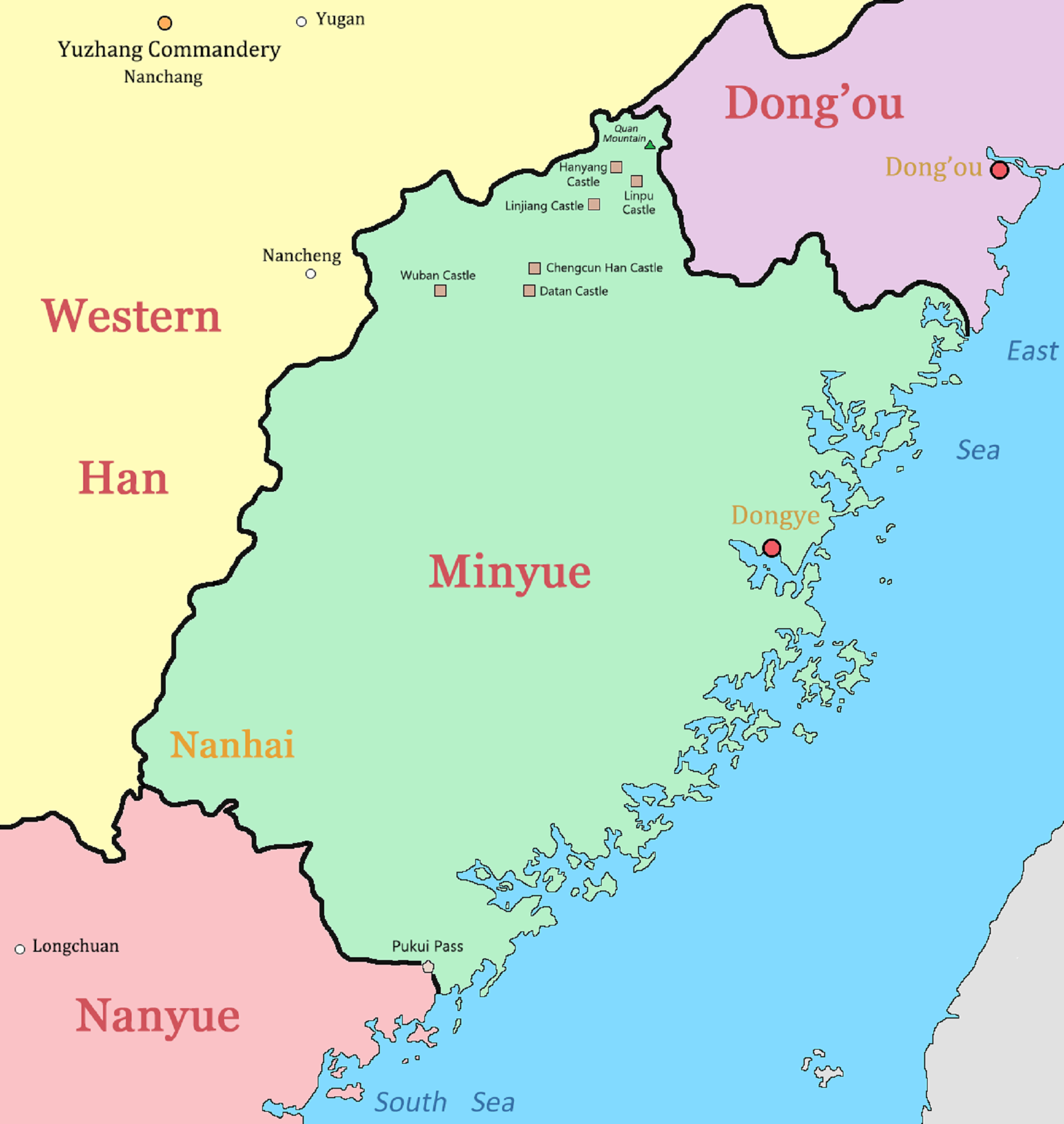
Following the defeat of the Minyue Kingdom around 110 Before the Current Era (BCE), the Han Empire annexed its lands.
Much infighting ensued to enthrone a suitable local leader friendly to the Han. This required many visits from empire authorities though, notably, military action was limited.
From then on, the region was subject to waves of immigration as Han Chinese sought lands and opportunities coastal waters could bring.
Linguists estimate that the oldest dialects of Min Chinese diverged from other Chinese languages around the time of the Han dynasty takeover. The renowned sinologist, Jerry Norman, identified four main layers of Modern Min Chinese vocabulary1:
These points are a small part of the rich Hokkien language history to discover. They give you a great reason to learn more about it, travel to where it’s spoken and explore this fascinating lexicon.
Linguistic Characteristics of Hokkien
It’s all well and good to say that the Hokkien language is different. But it helps to know the qualities that make this tongue so different from Mandarin6.
Phonology and Tonal System
Of all the Sinitic languages, Hokkien has one of the most diverse phoneme catalogues. This tongue uses between 7 and 9 tones to convey meaning and to incorporate loanwords, while keeping them distinct from the original language.
Hokkien retains the final stops and nasal codas of Old Chinese language.
Today’s Mandarin doesn’t feature those qualities.
Finally, Hokkien has far more syllable sounds than either Mandarin or Cantonese, which allows for a greater range of expressions. These sounds require far more mouth work than the mainly frontal Mandarin tongue does.
Grammar and Syntax
Where Mandarin relies on tone for meaning, Hokkien depends on syntax – word order and particle usage. In general terms, it is a Subject-Verb-Object (SVO) tongue, but it allows for flexible sentence structure. That makes Hokkien more topic-centred; speakers may arrange their sentences to emphasise their arguments’ context.
Like Mandarin, Hokkien eschews verb conjugation. Instead, it calls for particles to indicate aspect. Pre-verbal particles may indicate progressive or perfective aspects, while post-verb ones show potentiality or completion of action.
Vocabulary and Loanwords
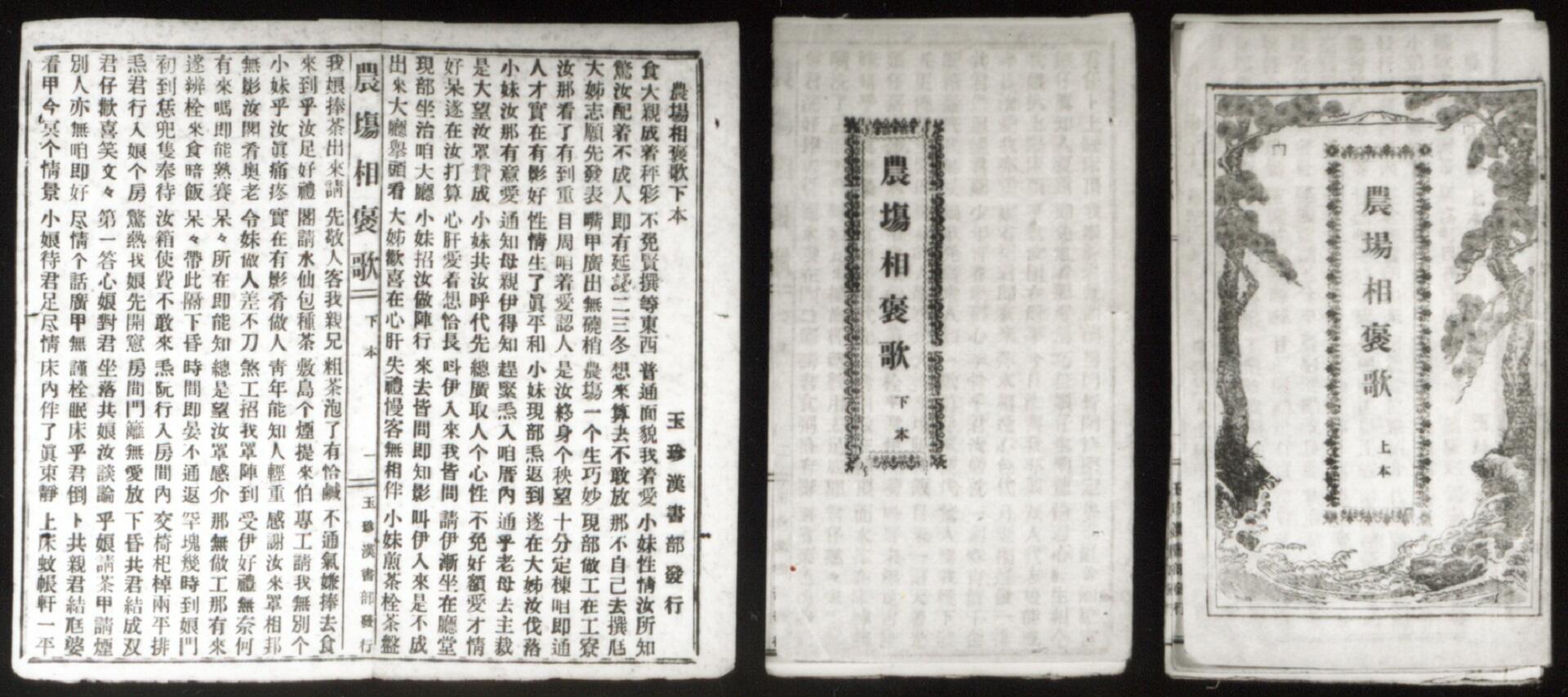
Contrary to Mandarin, Hokkien does not have a standardised writing system. Though Chinese characters are used, those idiograms typically represent literary readings. They don’t necessarily reflect everyday speech, which is often written using ‘invented’ characters. Or those words may simply be romanised, with no character equivalent, as is often the case for loanwords.
Dialects and Variations Within Hokkien
Like most linguistic traditions in China and Asia, including the Hakka tongue spoken in Guangdong, Min Chinese and Hokkien have many local variations within them.
Min Chinese is one of the most varied Chinese languages2 for it many dialects.
Hokkien's geography is quite broad. It spans from Taiwan to Fujian Province, as well as cities like Shengsi, Putuo, and Wenzhou. So, it stands to reason that the language would develop local dialects.
By their names we recognise the areas where these dialects are spoken. Note that, despite all deriving from the same tongue, speakers of one of these languages cannot necessarily understand what speakers of the other dialects are saying.
Hokkien vs. Mandarin: Key Differences
With all the variations of the Min language laid out, we can broaden our scope a bit. Let's consider how Hokkien, a Min language derivative, compares with standard Mandarin (普通话 - pǔtōnghuà).
1. Mandarin and Hokkien both use the same characters1.
2. Many words originate from Old or Middle Chinese*.
3. Mandarin and Hokkien have both adopted loanwords from other languages.
For two languages occupying the same geographical space, that's not a lot to have in common. And even then, #3 is the only wholly factual statement. Otherwise, these two tongues have more differences than similarities.
Hokkien
- written characters retain Old Chinese meanings1
- *words retain their archaic meanings
- 7 to 9 tones
- complex grammatical structures
- many different forms of negation
- people who only speak Hokkien cannot understand Mandarin
Mandarin
- written characters may reflect updated meanings
- words have evolved to new meanings
- 4 tones plus 0 tone
- straightforward grammar
- 3 negations (不 没 别 -bù, méi, and bié)
- Mandarin speakers cannot understand Hokkien
Besides these glaring differences, Hokkien uses a few special characters that don't feature in Mandarin. They're for words that don’t have an obvious etymological root, an alternate pronunciation, or a different meaning.
These features make Hokkien it a language in its own right3 and not just a dialect of another Chinese language, such as Wu Chinese.
Cultural Significance of the Hokkien Language
Language is means of communication and a carrier of culture.
Ngũgĩ wa Thiong'o, Kenyan author and academic.
After all you've read about the history and diversity of Hokkien dialect, its cultural significance cannot be in doubt. But you have yet more reasons to study this tongue. For starters, Hokkien is closer to Old Chinese than the current version of Chinese more broadly spoken across this vast land.
For history buffs and language enthusiasts, mastering this more complex tongue brings them closer to ancient Chinese literature and history.
What about Hokkien opera? Granted, you might not be an opera fan, but these spectacles are on a different level from western operas. They typically retell local legends and the origins of local festivals and traditions. It would be hard to get a sense of them if you didn't understand the languages.
Festivals and traditions, are two more reasons for studying the Hokkien language. Obviously, you don’t have to speak when setting off firecrackers or watching a dragon dance.
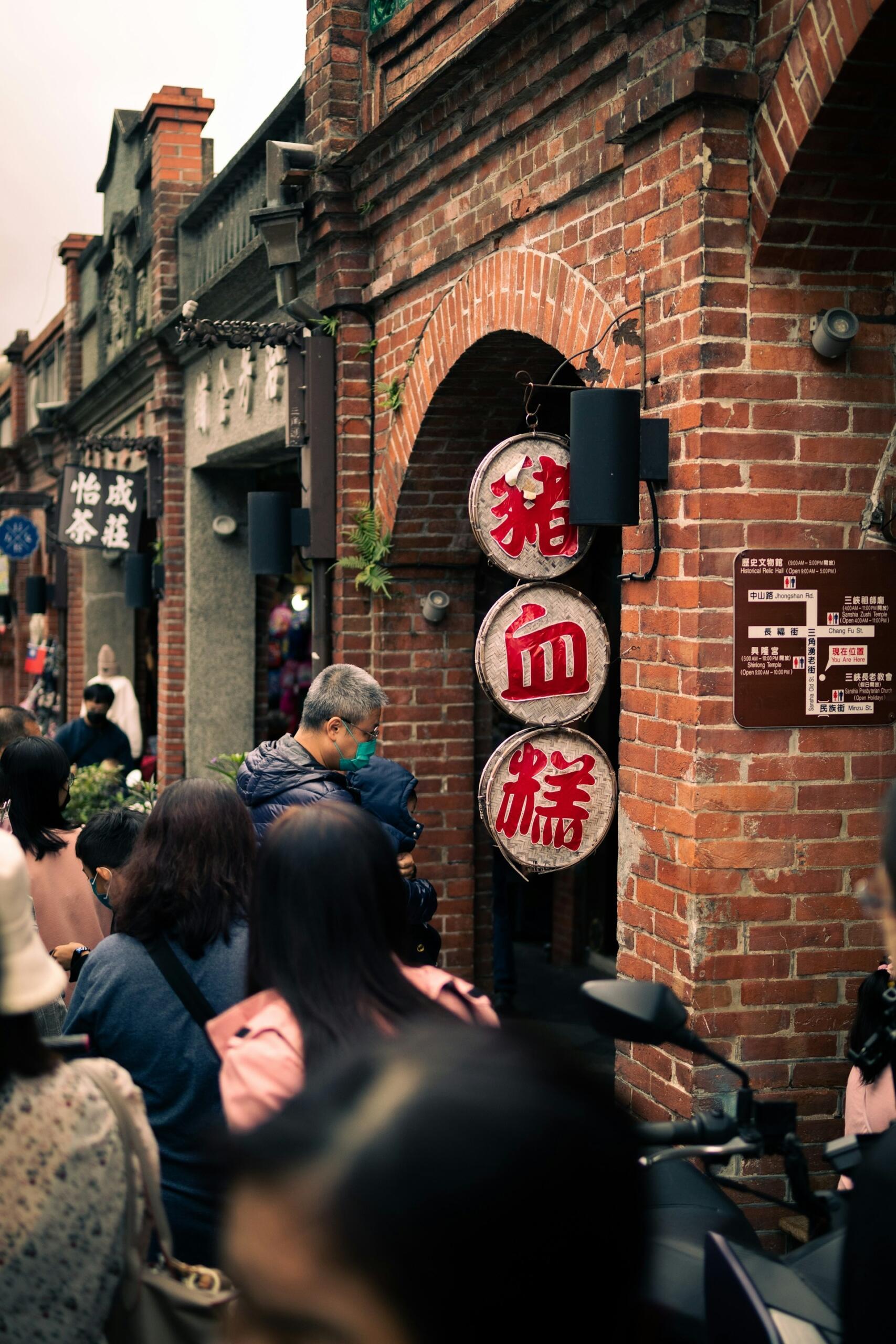
But talking with other spectators gives you an in to the local community and lets you better share the celebration.
Like taking Cantonese language lessons, studying Hokkien opens the doors to a rich, millennia-old culture that only insiders are privy to. Not to say you will be granted insider status if you speak the language, but you'll move closer in that direction.
Learning Hokkien
After having learnt a bit about Hokkien and Min Chinese, you must agree that they are rich and interesting languages. They're well worth learning; the trouble is in finding the resources to do so.

Most commercially available learning materials that cover anything Chinese-related typically are Mandarin. In fact, in some Hokkien-speaking regions, this language is classified as ‘threatened’ due to the prevalence of Mandarin education and learning tools.
Regional variations pose another challenge to people wishing to learn Hokkien. The style spoken in Taiwan is different from the one in Penang.
And the Penang style, in turn, varies from the language used to communicate in Fujian. So, you might conclude that starting your search with your target region – the place you intend to use your language skills in – in mind.
That's a great idea if you have such a plan, but if you're learning just for the thrill of it, these distinctions might not matter to you. If that's the case, these online resources are a great place to start5.
You may also engage a Superprof Hokkien tutor to help guide your learning. If you’d like to build a broader foundation in the language family, working with a chinese tutor can be a practical way to strengthen your reading, pronunciation, and listening skills. Superprof has 32 Hokkien tutors across Australia, ready to deliver lessons online or in person. As you skim through their profiles, you'll note that many of these Superprofs speak other Chinese languages, so you can round out your Sinitic language studies with one teacher!
References
- HandWiki. “Social:Min Chinese - HandWiki.” HandWiki, 5 Feb. 2024, handwiki.org/wiki/Social:Min_Chinese. Accessed 15 June 2026.
- Prep Education. “Types of Chinese Language: Complete Guide to 7 Varieties.” AI-Powered Language Learning, Teaching and Testing Platform, Prep Education, 25 Aug. 2025, prepedu.com/en/blog/types-of-chinese-language. Accessed 15 June 2026.
- Luo, Iris. “Taiwanese Hokkien: More than a Dialect.” EC Innovations, 30 Jan. 2025, www.ecinnovations.com/blog/taiwanese-hokkien-more-than-a-dialect/. Accessed 15 June 2026.
- Tye, Timothy. “Penang Hokkien People.” Penang Travel Tips, 2026, www.penang-traveltips.com/penang-hokkien-people.htm. Accessed 15 June 2026.
- “Resources for Learning Taiwanese as an English Speaker - 🟧Heystack.” Heystacks.com, 2018, heystacks.com/doc/787/resources-for-learning-taiwanese-as-an-english-spe. Accessed 15 June 2026.
- “Blocked.” Mamamandarin.com, 2025, mamamandarin.com/post/everything-you-need-to-know-about-hokkien. Accessed 15 June 2026.
Summarise with AI:
Did you like this article? Leave a rating!


 Loading...