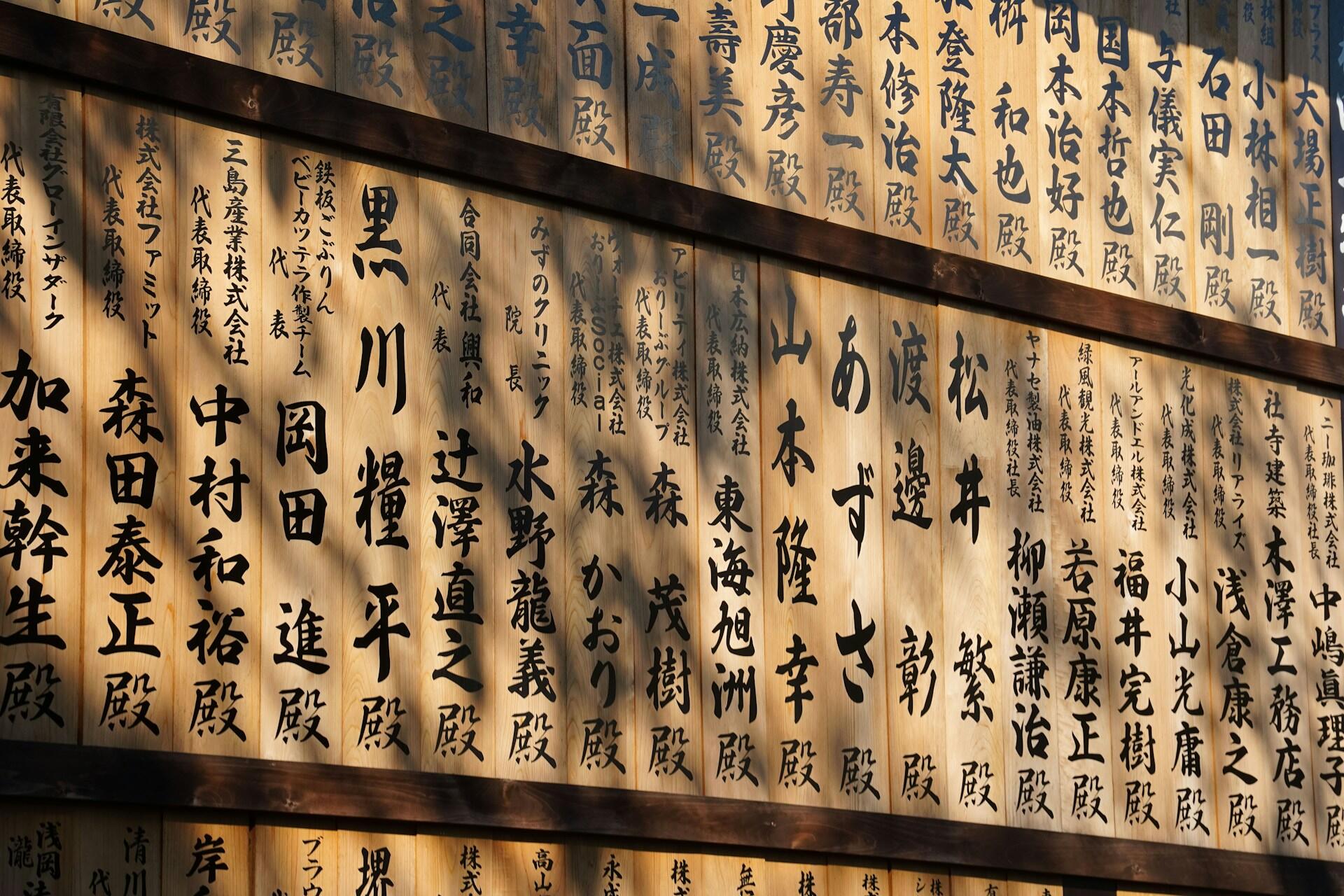
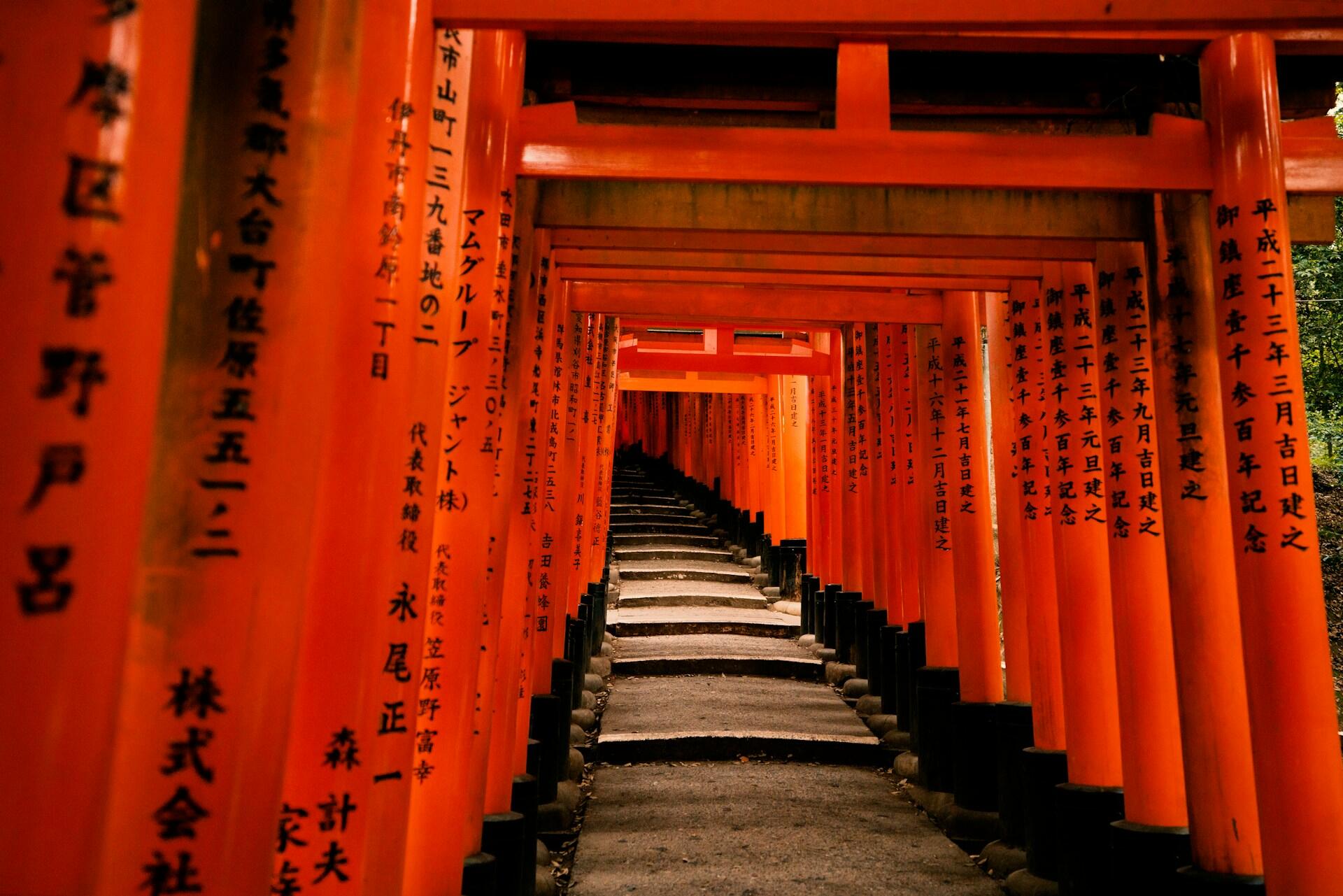
The Japanese writing system comprises three types of characters: kanji, katakana, and hiragana, each of which serves a specific purpose. That's one of the main reasons why language learners consider Japanese one of the most difficult to master, especially reading and writing it. But learning the Japanese writing system needn't be such a fright; it can be easy to use once you know the rules.
| Writing system | When established? | Features | Uses |
|---|---|---|---|
| Kanji | 4th-5th century | angular characters various pronunciations two 'readings' tens of thousands exist | names official communications sentence starters most everyday uses |
| Katakana | 8th-9th century | angular, resembling kanji 46 characters | to write foreign words and names to write scientific names to communcate onomatopoeia for added emphasis |
| Hiragana | late in the 9th century | looping appearance 46 characters + 2 diacritics | to write native Japanese words for stylised writing to enhance verbs and adjectives |


The Origins of Japanese Writing Systems
Before take a look at the different types of Japanese writing, or scripts as they’re commonly known, let's explore the origins of the Japanese writing tradition.
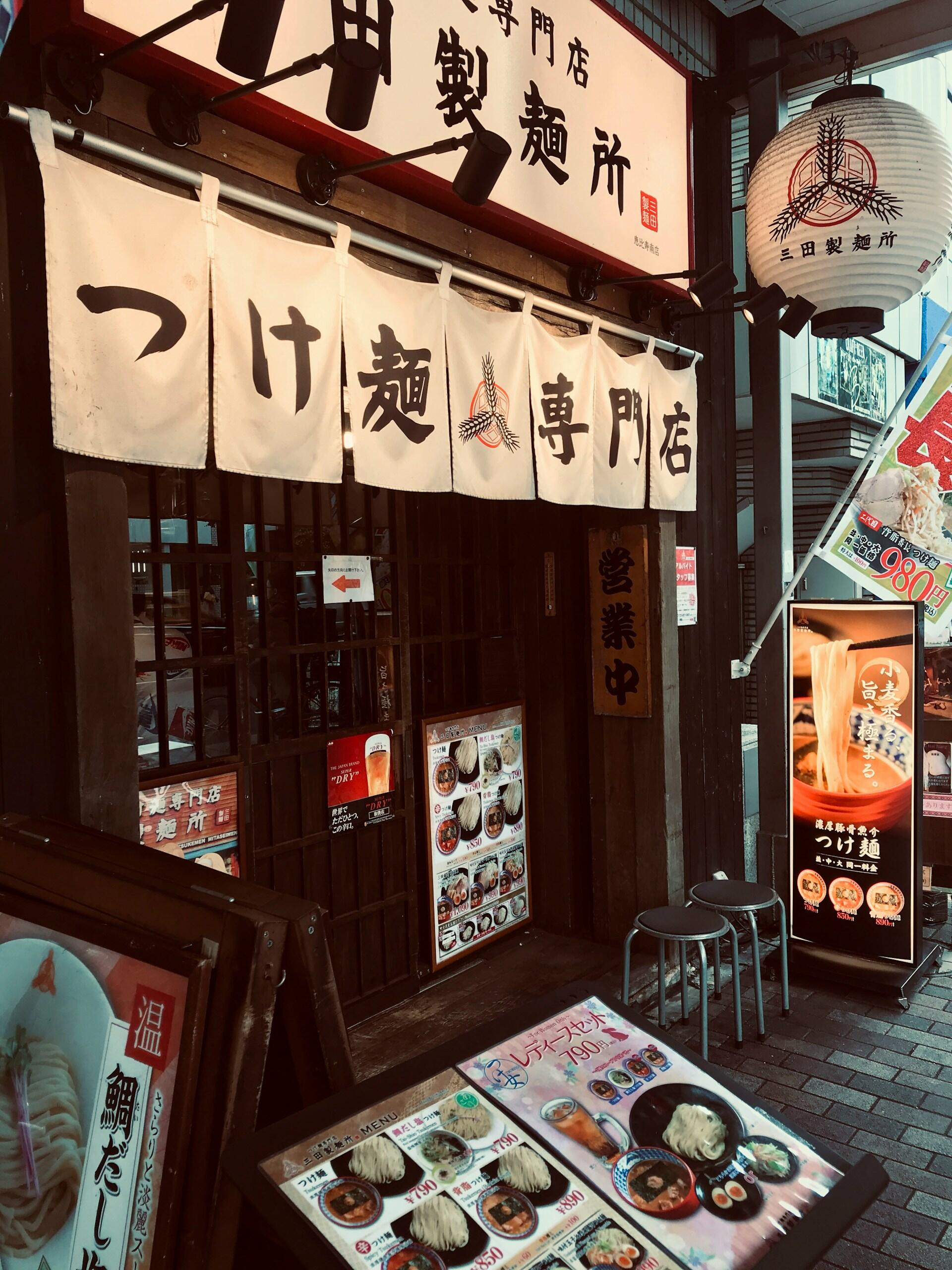
Many consider the modern form of Japanese writing as an adaptation from Chinese. This is because the Kanji script uses many ideographs or characters that are common in Chinese. This overlap is clearly recognisable to speakers of both Chinese and Japanese.
In fact, the first recorded examples of Japanese writing, which date back to the 5th and 6th centuries A.D., are in the Chinese language. That is to say, Chinese was written in Japan before a writing system was developed for the Japanese language.
Over time, these words were used to express the nuance of the Japanese spoken word in writing. And so, the Chinese text evolved into a new one tailored the Japanese language and culture.
Kanas: Integral Parts of the Japanese Script
Kanji can convey a lot of meaning, but the development of two other writing systems was necessary to express nuance in Japanese writing. Katakana came about as priests read Chinese texts and translated them into Japanese. Katakana served as a type of shorthand to help them remember Chinese characters.
The Hiragana writing system was the last to emerge. It represents native Japanese words. Often, hiragana particles applied to the end of kanji verbs and adjectives add meaning to the phrase.
Hiragana and Katakana writing systems fall under the label of ‘kana’, which means that they are both syllabic scripts. Hiragana works closely with the Kanji to form many parts of speech, Katakana is largely used for foreign or borrowed words, onomatopoeia, emphasis, and slang1.
The Japanese Writing System at a Glance
- Until around the 4th century, Japanese was strictly an oral language.
- Kanji and Katakana are direct descendants of the Chinese writing system.
- Hiragana is a Japanese-born syllabary used to define and refine verb phrases and adjectives.
- The kanas were developed to fill the writing gaps that express nuance in the Japanese language.
Japanese Kanji
The Kanji writing system in Japanese consists of characters borrowed from the Chinese language. This script is made up of ideograms, characters that have their own meaning2. They can stand alone to represent an object or action. These characters give you a rough idea of that concept.
kanji
- 日 / hi or nichi
- 先 / saki or sen
- 人 / hito or jin/nin
means
- day, sun
- before, ahead
- person
kanji
- 手 / te or shu
- 足 / ashi or soku
- 火 / hi or ka
means
- hand
- foot
- fire
As a result, if you were to only learn the Kanji in Japanese, you would still be able to understand and communicate effectively.
How a character is pronounced depends on the context it's in.
A Kanji pair, or a kanji followed by Katakana, 'borrow' their pronunciation from Mandarin.
A single Kanji, or one followed by Hiragana characters, have Japanese pronunciation.
The distinction between on'yomi (Chinese reading) and kun'yomi (Japanese reading) lies in the characters that surround them. And, to be sure, Japanese speakers do not sprinkle their speech with Mandarin words and phrases. It's more a case of adapting Mandarin sound particles to the Japanese tongue.
In Mandarin, the character 生 (sheng) means 'life'. Pair it with 日 (ri) to say 'birthday'.
In Japanese, 生 also means 'life'. However, it has more than 10 ways to pronounce it, depending on context: sei, shō, nama, ki, o-u, i-kiru, i-kasu, i-keru, and others.
Linguists contend that if you know 3000 of the 70,000 or so Kanji, you can understand the majority of common texts. Better still, if you learn 100-200 kanji, you will be able to recognise about half of what you see in newspapers and other everyday texts.
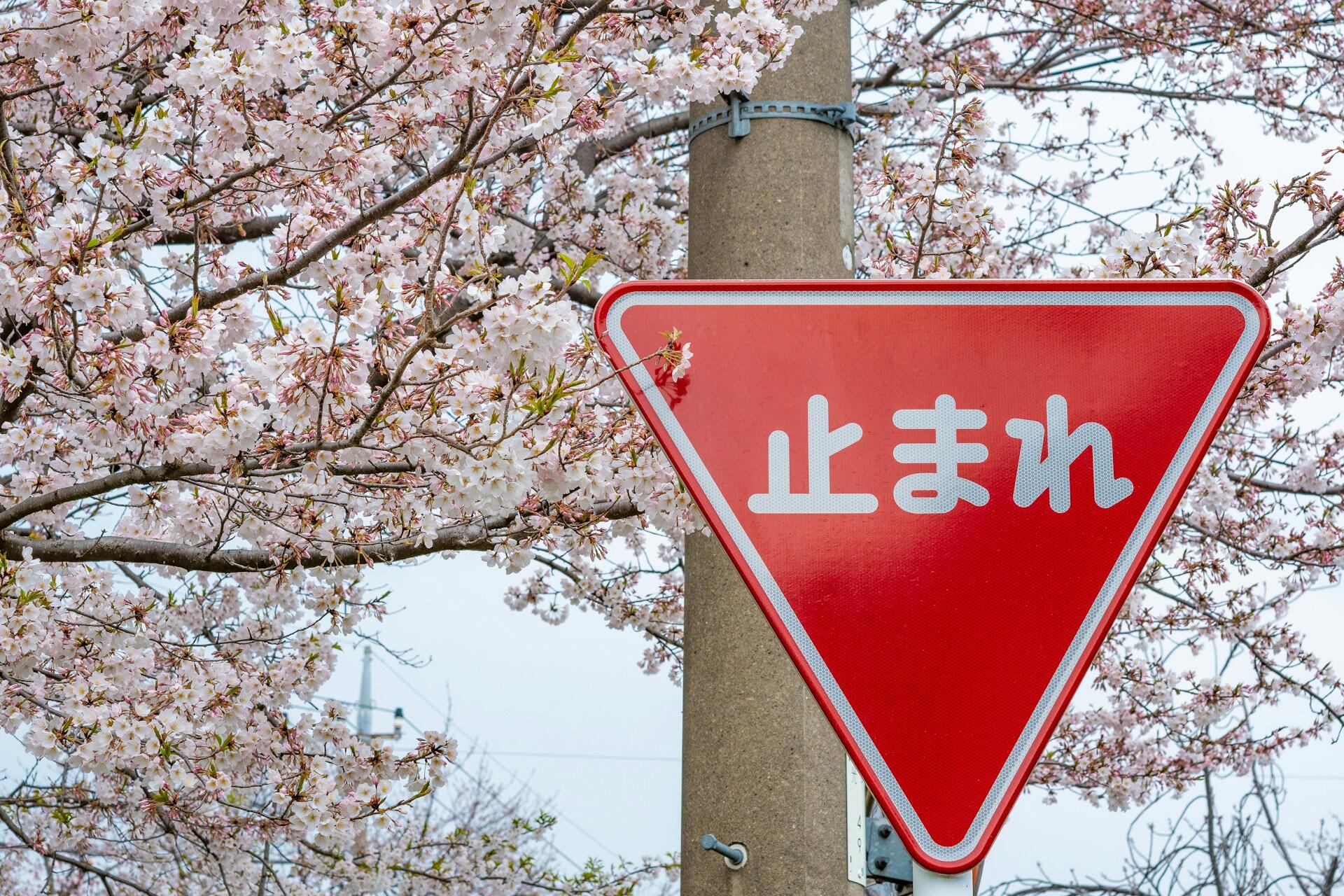
Common Uses for Kanji
Japanese Katakana
Katakana is the third Japanese writing system. Though it's the least used - at least, in formal writings, Katakana is still useful, particularly to express foreign ideas and sounds.
Like Hiragana, the Katakana script is a syllabary and is formed from characters that each take on a single sound either a vowel or consonant3. The characters are generally simple to write, as they often only require a few strokes at most.
This syllabary consists of 48 characters: 5 vowels, 1 consonant, and 42 syllabograms.
A syllabogram is a sign you write for a syllable, which may consist of vowels and consonants.
This aspect poses a challenge for Japanese learners. Using the Roman alphabet we're familiar with, we usually write syllables with at least two letters: a vowel and a consonant. So, were we to write the syllable 'ka', that's what it would look like. And 'ke' would look like this.
That's not the case when writing kanas. The syllables 'ka' (カ) and 'ke' (ケ) have no identifying markers to indicate that they make those sounds. Japanese learners have no recourse other than to memorise each one. Fortunately, with less than 50 of these characters, you could make a game of it.
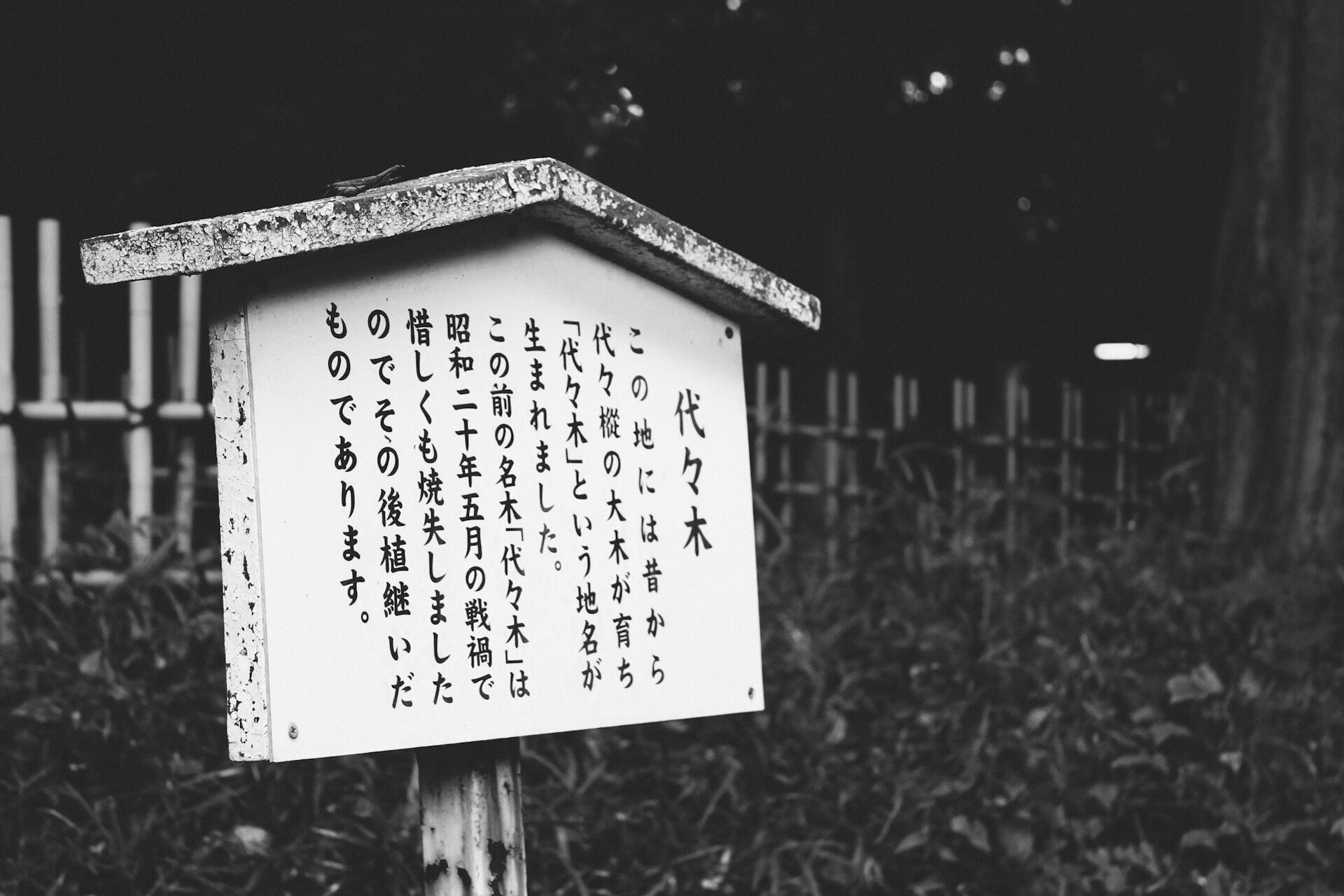
Common Uses for Katakana
Japanese Hiragana
Hiragana is one of two syllabary scripts in Japanese which, together with katakana, is grouped under the kana category of writing.
Hiragana developed from Chinese characters used for their pronunciation. These man'yōgana helped represent the Japanese language phonetically in writing.
Unlike Kanji, the characters used in the Hiragana system of writing each correspond to a single sound or syllable, rather than an entire word or complete meaning.
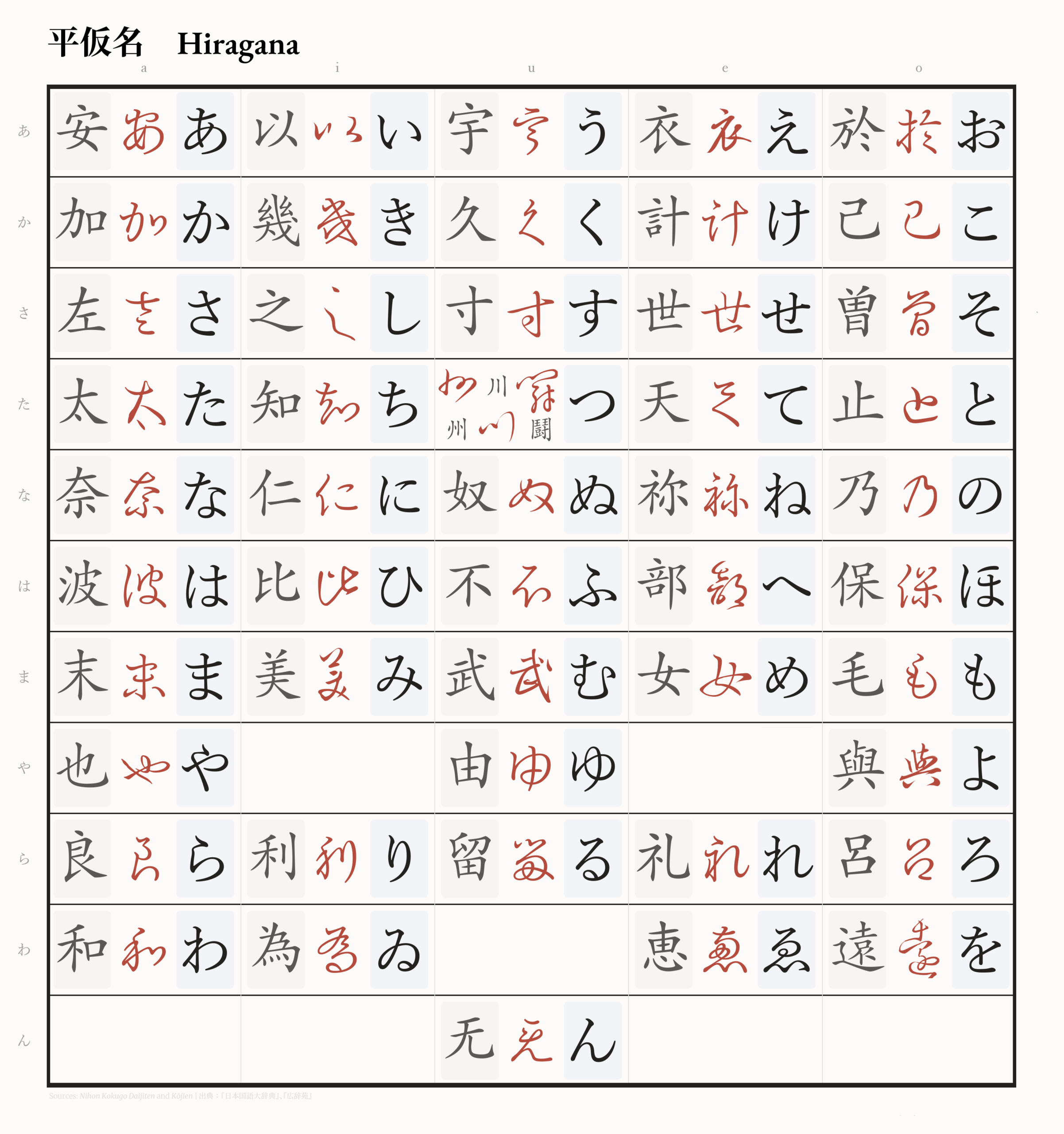
As noted above, the Kanji script is responsible for the main parts of speech. The Hiragana script works with Kanji, covering everything from suffixes to function words and particles. For that reason, thinking of Hiragana as the second most important writing system behind the Kanji is a good idea4.
Consists of 46 characters: 5 vowels and 41 consonants.
In theory, you could focus your studies of Japanese writing only on Hiragana. It is possible to write entire sentences - entire poems, letters, and stories, using just Hiragana. After all, the ladies of the imperial court did so, centuries ago.
However, such writing would be much harder to read, because hiragana doesn't allow for spaces or punctuation between words. That's why blending Kanji with Hiragana makes for a more efficient writing system.
As we touched on earlier, if you know a few hundred Kanji, you can get by when it comes to basic reading and writing in Japanese. If you add the most common Hiragana characters to that, then you will be well on your way to being reading effectively in Japanese.
Common Uses for Hiragana
Resources to Learn the Japanese Writing Systems
- Mugikura, Shoko . “Japanese Writing, a Beautifully Complex System — Smashing Magazine.” Smashing Magazine, 2012, www.smashingmagazine.com/2012/03/japanese-a-beautifully-complex-writing-system/. Accessed 12 Apr. 2026.
- Augustyn, Adam. “Kanji | Definition, Rules, & Facts.” Encyclopedia Britannica, www.britannica.com/topic/kanji. Accessed 12 Apr. 2026.
- Yamamoto, Ichika. “Learn Katakana: The Other Japanese Alphabet (Katakana Chart).” Freejapaneselessons.com, 2025, freejapaneselessons.com/katakana/. Accessed 12 Apr. 2026.
- Hamada, Iori. “1.1: Introduction to Hiragana.” Humanities LibreTexts, 28 Oct. 2024, human.libretexts.org/Bookshelves/Languages/Japanese/Japanese_Introductory_1_(Hamada)/01:_Head_Start_with_Japanese/1.01:_Introduction_to_Hiragana. Accessed 12 Apr. 2026.
Summarise with AI:
Did you like this article? Leave a rating!


 Loading...