
In climate and soil, as diverse a land as Australia is, you can expect a wide variety of fruit-producing plants. It takes some knowing to tell safe-to-eat fruit from the wide toxic varieties that grow wild across the country. This article aims to steer you to the best edible fruits in Australia and give you reasons to try them. Clip and save this seasonal availability chart so you don't miss your chance to sample them all.
| 🍂 Season | 🍎 Apple varieties | 🍑 Stone fruit varieties | 🍈 Melon varieties | 🍋 Citrus varieties | 🍓 Berry varieties |
|---|---|---|---|---|---|
| Spring | Granny Smith, Gala, | cherries | watermelon rockmelon honeydew | blood oranges grapefruit lemons mandarins tangelos | strawberries blueberries raspberries blackberries |
| Summer | Pink Lady Royal Gala Granny Smith Red Delicious | peaches nectarines plums apricots | watermelon less of other melons | Valencia oranges limes | strawberries blueberries raspberries blackberries |
| Autumn | Royal Gala Granny Smith Fuji Pink Lady | Waning supplies of: peaches nectarines plums apricots | rockmelon | Limes early mandarins | raspberry |
| Winter | custard apples Granny Smith Pink Lady | none | honeydew | navel oranges mandarins lemons grapefruit | strawberries |


Native Fruits in Australia
Across the land, Australia's most distinctive trees produce some of our most delectable fruits1. Native Australian fruit is typically grouped under the 'bush tucker' identification.
This term refers to native edible plants (and other foods) historically consumed by Aboriginal and Torres Strait Islander people. 'Bush food' is another word for bush tucker.
Bush tucker tends to be highly nutritious, with plenty of antioxidants and vitamins. Commercial growers have had some success in mass production, but those fruits do not carry the same cultural significance. For a real treat, try these fruits grown in small batches.
Kakadu Plum
The Kakadu plum is famous the world over for having the highest vitamin C content of any fruit, grown anywhere. It gets its name from the Kundjeyhmi dialect, the language of the Kakadu National Park. But this fruit has many names; its growing area is fairly broad. You can find it across the Northern Territory, and into the Kimberly region in Western Australia, where it's known as gubinge.
This fruit's taste profile varies according to where it grows. It can have a bland taste with a distinctly zingy finish; sometimes, its flavour veers towards the salty. It may also be toxic if over-consumed.
Aboriginal people use this fruit as traditional medicine.
The tree bark's inside is used as a poultice for various skin infections and ailments.
Davidson's Plum
This name describes three types of plum, all named after John Ewen Davidson, who claimed the lands the trees grew on.
Davidsonia jerseyana
- also called Mullumbimby plum
- native to NSW
- yields sour fruit for jams and sauces
- cultivated for its fruit
- endangered in the wild
Davidsonia johnsonii
- a small tree with smooth leaves
- native to Queensland and NSW
- grown via root division or cuttings
- endangered in the wild
Davidsonia pruriens
- also called Ooray
- grows up to 12 m
- yields large fruits
- native to Queensland
Besides using these plums in jams and sauces, they're great for ice cream and they make a particularly delectable wine.
Finger Lime
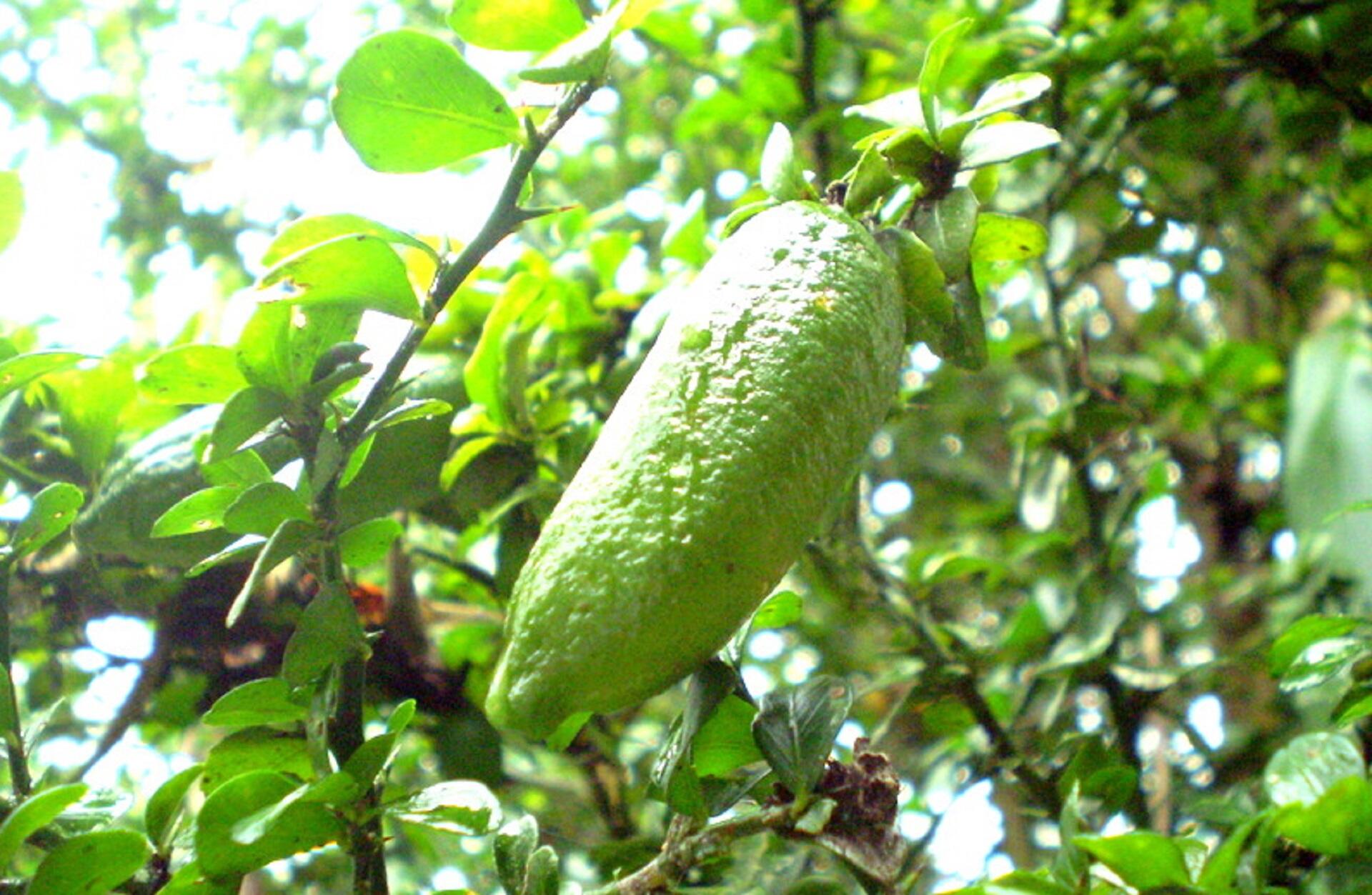
These Australian fruits look just as their names describe: long, fat fingers with green or sometimes, red skin. They're also called 'caviar lime' because that greenish skin hides pearl-like juice vesicles. Those pearls deliver a crisp, tangy flavour preferred in high-end cuisine. You can find finger lime trees in the southeastern corner of Queensland and NSW's northern tip.
Quandong
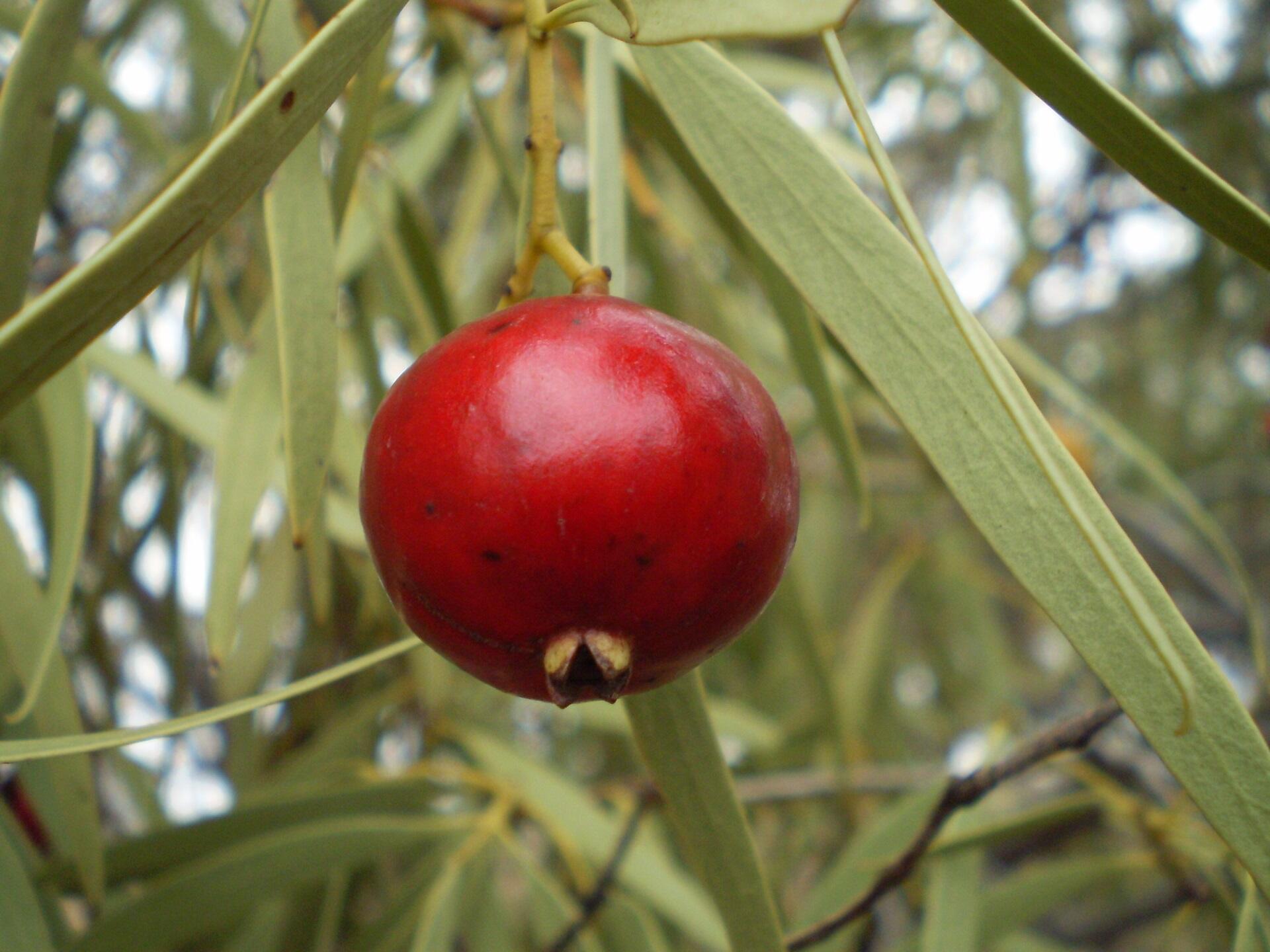
This name describes a location in Victoria as well as 24 different varieties of trees2, some of which bear fruit. The variety that dominates the conversation is the desert quandong (santalum acuminatum), also called the native peach. You saw it at the top of this article.
It makes a tasty stewed fruit and a superlative pie filling. It adds a distinctive flavour to jams and makes a refreshing beverage on hot summer days. This fruit's many uses has driven commercial growers to try their hands at cultivating it, to little success. This hardy tree prefers wild desert conditions, making it a staple of Aboriginal communities.
This peach's tough stone protects the seed, which can be made into a paste and used as a topical anaesthetic for mouth sores.
Kutjera
Perhaps better known as desert raisins or bush tomatoes, these fruits grow in arid conditions. They belong to the nightshade family, a term that often calls forth notions of poisonings and ghastly deaths. But these are perfectly safe to eat, as native Australians have been doing for millennia.
This hardy plant has remarkable properties! It may turn dormant yet still grow fruit up to three years after being fallow. The fruits dry on the vine, literally nature-made raisins. They have a pungent taste, a bit like tamarillo, with a hint of caramel, and are great in condiments and sauces. Chefs in the know put kutjera powder in breads, butters, cheeses, salads, and chutneys.
Muntries
These berries, delightfully known as emu apples and other names, grow in Victoria and a bit in South Australia. The plants grow low to the ground, produce spiny flowers and oval leaves with a downturned tip. Its crunchy berries taste a bit like a super-tangy apple.
In the wild, these plants grow close to the ground.
However, commercial growers have helped them adapt to different growing conditions.
Growing muntries on trellises allows for easier care and harvest of the fruit.
Australian Fruit: Introduced and Commercially Grown
When the English (and others) established their footholds in Australia, they weren't exactly keen to sample all the edible riches this land had to offer. They were even a bit wary of unique Australian flowers, so they brought roses and tulips with them.
And, of course, they brought their favourite food trees (and beasts). To this day, legacy orchards and groves produce fruits enjoyed the world over. These varieties, in particular, grace Australian tables and feature in our favourite desserts.
Apples
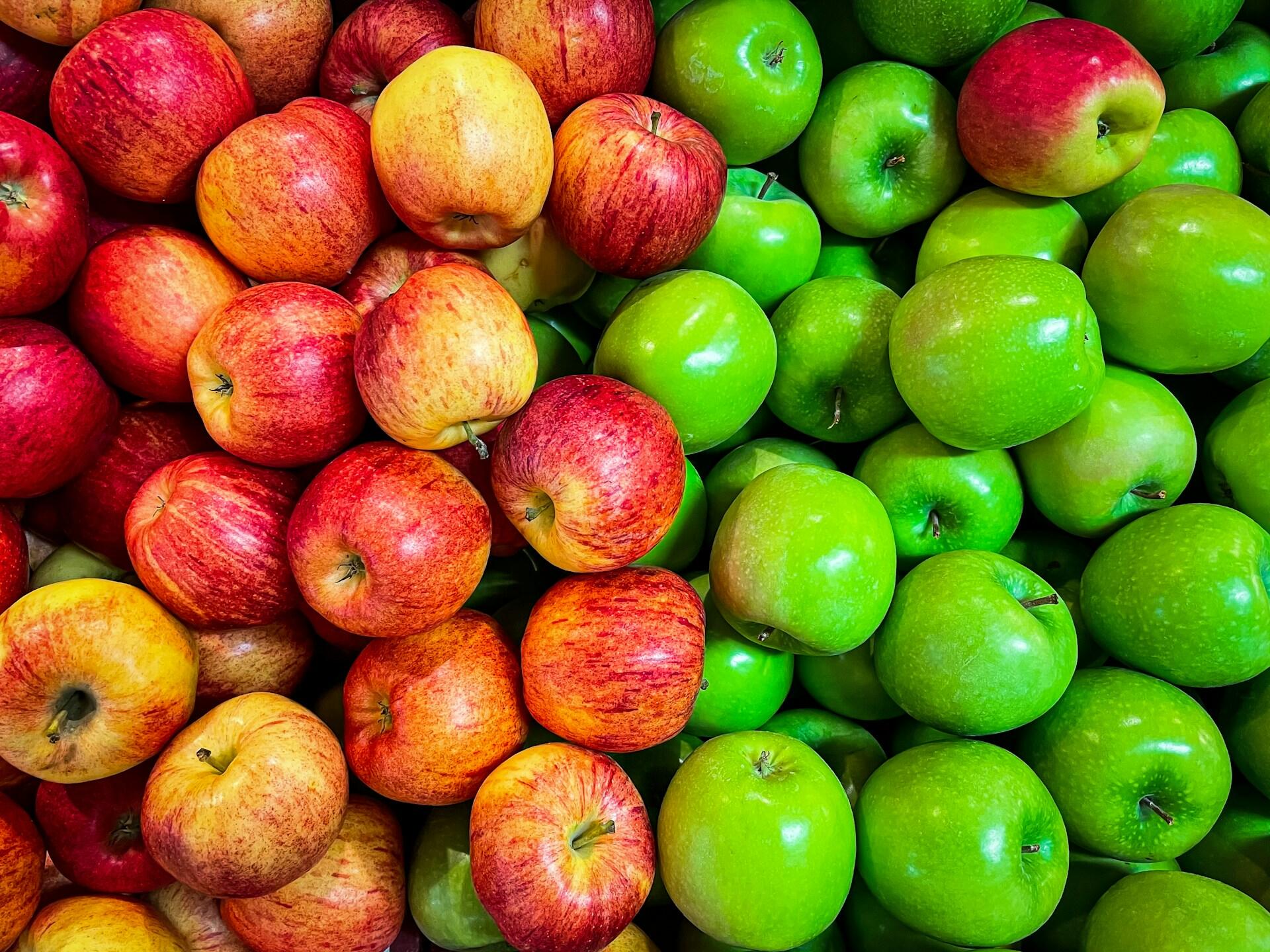
From colonists' early efforts to today's ambitious growers, Australians produce and enjoy a variety of apples commonly available around the world3. Of course, Cripps Pink and Granny Smith are entirely Australian, even if they are a genetic crossbreed between Australian fruit and introduced varieties. Among our favourite types, we count:
- Royal Gala
- Fuji
- Jazz
- Kanzi
- Envy
- Modi
- Bravo
- Eve
- Yello
- Rocket
- Ambrosia
- Braeburn
- Red Delicious
- Golden Delicious
- Smitten
Victoria, NSW, and Queensland are prime apple-growing regions, but Western Australia and Tasmania have relatively small patches where apples can thrive. Apple picking is a year-round affair, starting with Smitten and Royal Gala in January. Envy, Kanzi, and Jazz season typically runs from April to October.
Citrus Fruits
Oranges dominate the commercial citrus production in Australia, with mandarins coming in a distant second. Our growers also produce a fair number of Navels, but those are oranges, too.
Our native varieties are the citrus fruits to try. Besides the delightful caviar lime described above, this land grows five other native varieties.
From these, growers are experimenting with a number of hybrids, most notably the Sydney Hybrid.
Stone Fruits
Other than the quandong, the peach mentioned above, stone fruits are thin on the ground in Australia. The peaches, nectarines, cherries, plums, and apricots we grow here are the same varieties that grow elsewhere in the world.
This is a heritage fruit that has grown in Australia for more than 100 years.
Australian growers have developed several cultivars that grow better in our distinctive climate. Among them, we count the Narrabeen plum, HoneyCot apricots, and Golden Queen peaches.
Melons
Like the stone fruits, all Australian-grown melon varieties are introduced. Watermelons, honeydew melons, and rockmelons rule the day, but the Galia and Santa Claus melons also enjoy popularity. Even the melons that grow in the wild, like the Paddy melon, are introduced.
Fruits in Australia: Seasonal Availability
The plants native to Australia, as well as those introduced more than a century ago, behave like plants everywhere. They accord with the seasons and react to environmental conditions, yielding their bounty on schedule throughout the year.
Spring
This season is our most bountiful, particularly for citrus fruits and berries. All species of melons are available, and a selection of stone fruits starts making its way to our vendor stalls.
Apples are available year-round but in springtime, our Granny Smith variety thrills anew.
Summer
What could be better than a cool slice of melon on a hot summer day? Unfortunately, our melon season is on the wane by the height of summer, with watermelons more available than other types.
But that's fine, because we're rolling into our stone fruit season by now. Peaches, plums, and nectarines make for a delicious fruit salad, especially when you toss in a few chunks of tart Granny Smith apple. And berries of all types are in season, too, so don't forget to add them to your breakfast or snack pack!
Autumn
We're scraping the bottom of the barrel, fruit-wise, by this time of year. Still, we have our apples and a few stone fruits, and late-season rockmelon to enjoy. At this point, we rely more on fruit imports.
Winter
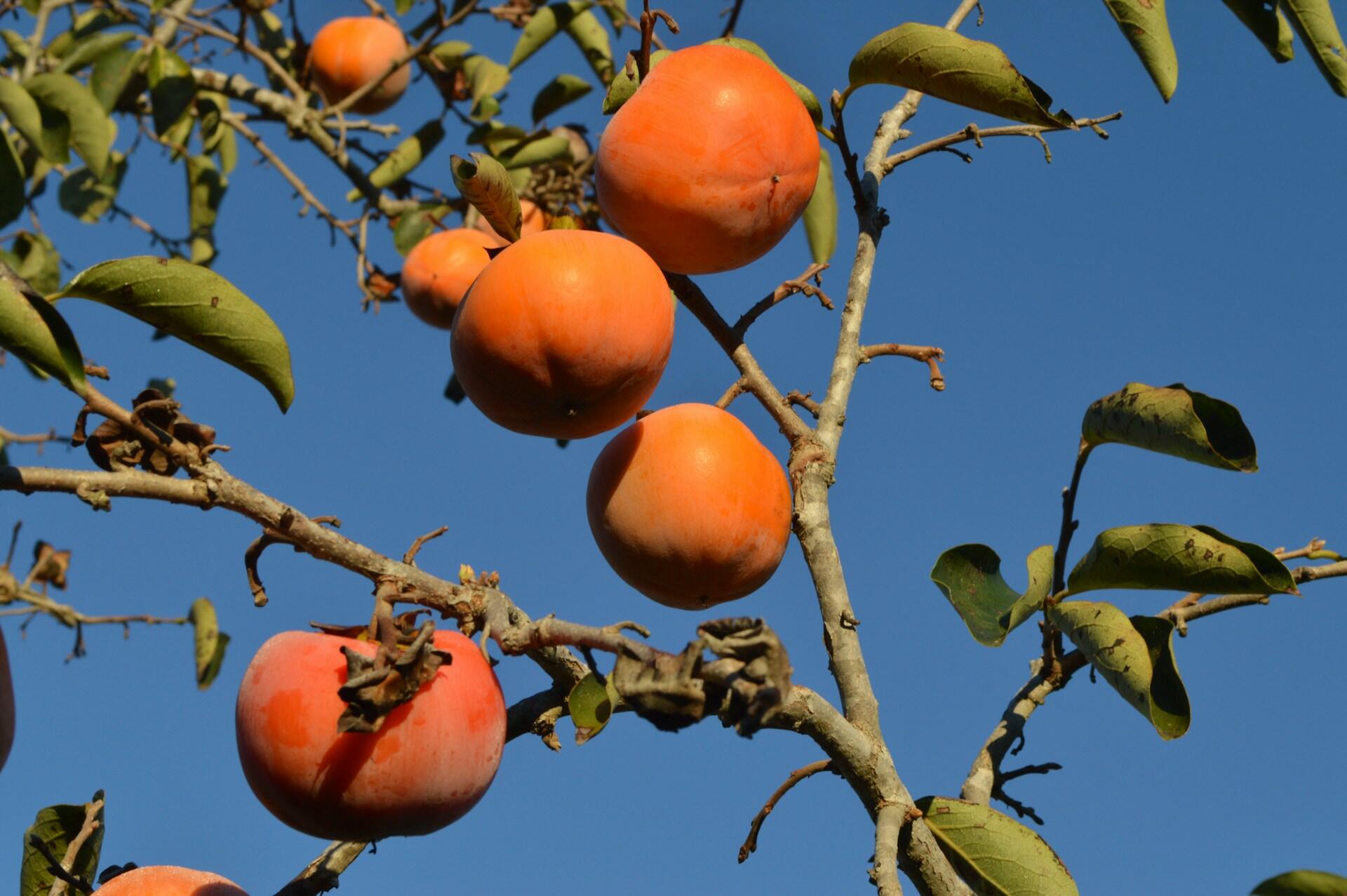
Alas, our growing season low point! Citrus fruit availability is beginning to ramp up, even as a few late-season apples whisper of sweet summer memories. By now, imports - kiwifruit, figs, papaya, and passionfruit - dominate. But we can't overlook persimmons!
Across the northern hemisphere, persimmon fans eagerly await the shipments of fruits from Australia so they can satisfy their craving for this sweet, custard-like treat.
Unfortunately, the persimmon type that ships internationally is not Australia's native yellow persimmon, also called black plum. It belongs in the bush tucker class and grows only in select areas, such as eastern Australia's rainforests. But introduced, commercially grown persimmons continue to thrill northern palates, and ours, too!
Discover More Australian Fruits From These Sources
- Australian Government. “Department of Agriculture .” Agriculture.gov.au, 2023, www.agriculture.gov.au/. Accessed 17 May 2026.
- Murray, Jye . “Native Australian Fruits and Vegetables: Regions, States, and Best Gro.” Quality Plants & Seedlings, 31 July 2024, www.qpseedlings.com.au/blogs/news/native-australian-fruits-and-vegetables-regions-states-and-best-growing-methods-%F0%9F%8C%BF%F0%9F%8D%87%F0%9F%8D%83. Accessed 17 May 2026.
- “Varieties – Aussie Apples.” Aussieapples.com.au, 2017, www.aussieapples.com.au/varieties/. Accessed 17 May 2026.
Summarise with AI:
Did you like this article? Leave a rating!

 Loading...