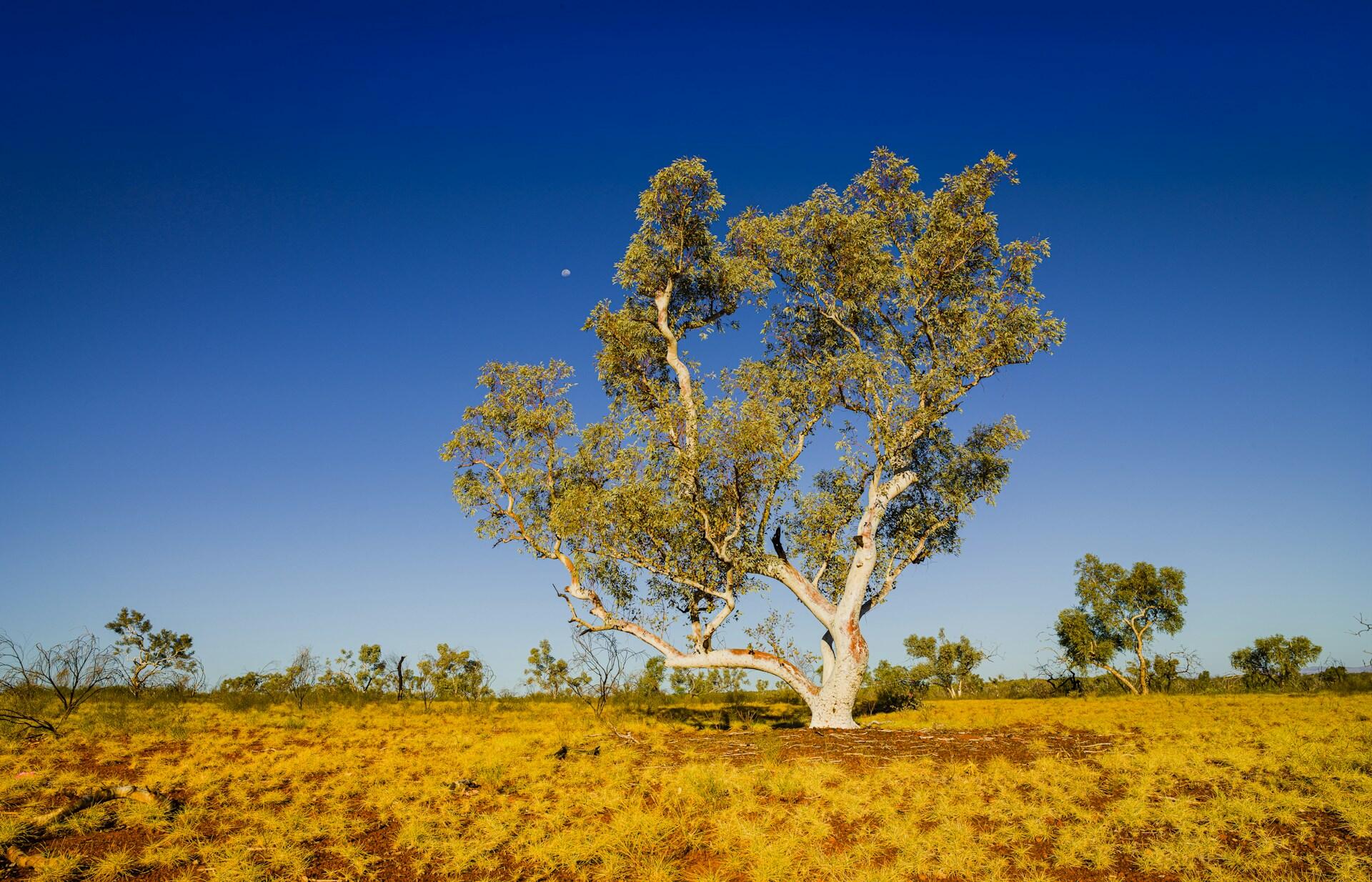

Across Australia, brushfires are a growing threat - not just to our lives and livelihoods, but to the rich flora that sustains the land. These trees fulfil important ecological functions; they're food and habitat for every type of creature, including humans. They're also spiritual totems; each bloom, leaf, and root has a special significance in the Australian cultural fabric. These are a few of the trees that mark our landscape.
| 🍃 Common name | 🌿 Botanical name | 🔎 Features | 📍 Where to find them |
|---|---|---|---|
| Red River gum | Eucalyptus camaldulensis | Cream-coloured bark lance shaped leaves may grow up to 45 metres forms a protective bulb (lignotuber) at its base. | Across Australia, along inland water systems. The most widespread type of gum in the country. |
| Lemon scented gum | Corymbia citriodora | May grow up to 40 metres Smooth, white-pink bark Forms a protective bulb (lignotuber) at its base. | Queensland and NSW |
| Narrow-leaved apple (Sydney red gum) | Angophora bakeri | Grows to around 30 metres has a protective 'bulb' (lignotuber) at its base smooth, orange-brown or pinkish bark | NSW coastal regions |
| Banksia | Proteaceae | Many different varieties may grow as tall as 30 metres favoured for gardens | Along Australia's coastlines |
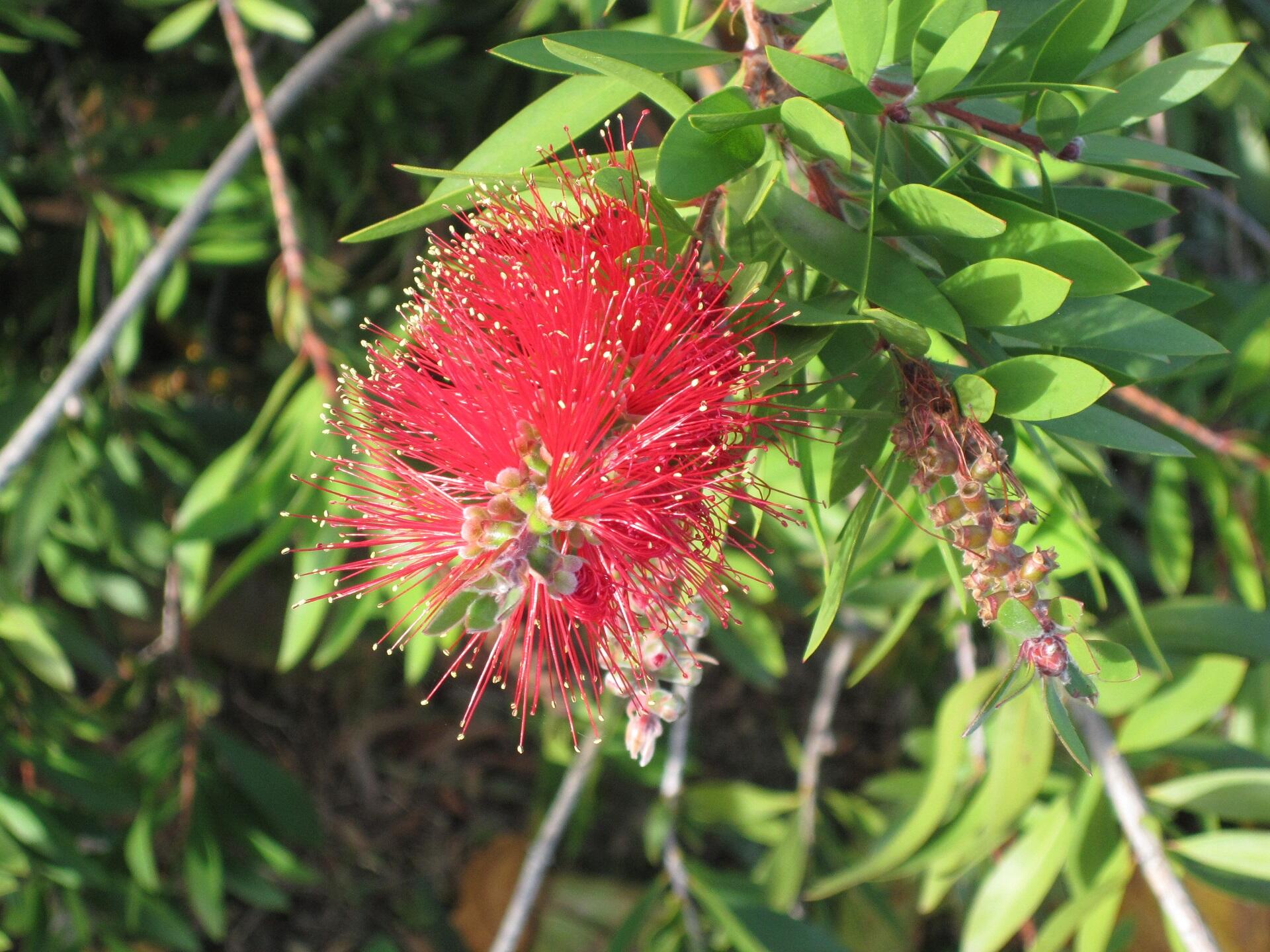
| Bottlebrush | Callistemon | Brush-like flowers that grow close to the ground produce sweet nectar, a source of food for many species | Across Australia |
| Lemon Myrtle | Backhousia citriodora | An evergreen tree that can grow up to 6 metres hight. produces fragrant blooms | Primarily in central and southeastern Queensland and northern edges of NSW, with some growth in Victoria and Western Australia. |
| Wattle | Acacia | Many varieties that produce different-coloured blooms. The golden wattle is Australia's flower emblem. | All across Australia |
| Black Sheoak | Allocasuarina littoralis | an evergreen tree holds up well in droughts and arid conditions important nitrogen fixers. | All along the east coast, from northern Queensland to Tasmania |
| Blueberry Ash | Elaeocarpus reticulatus | A rather delicate tree that produces fringed white blooms | All along the east coast, from Frasier Island to Flinders Island |
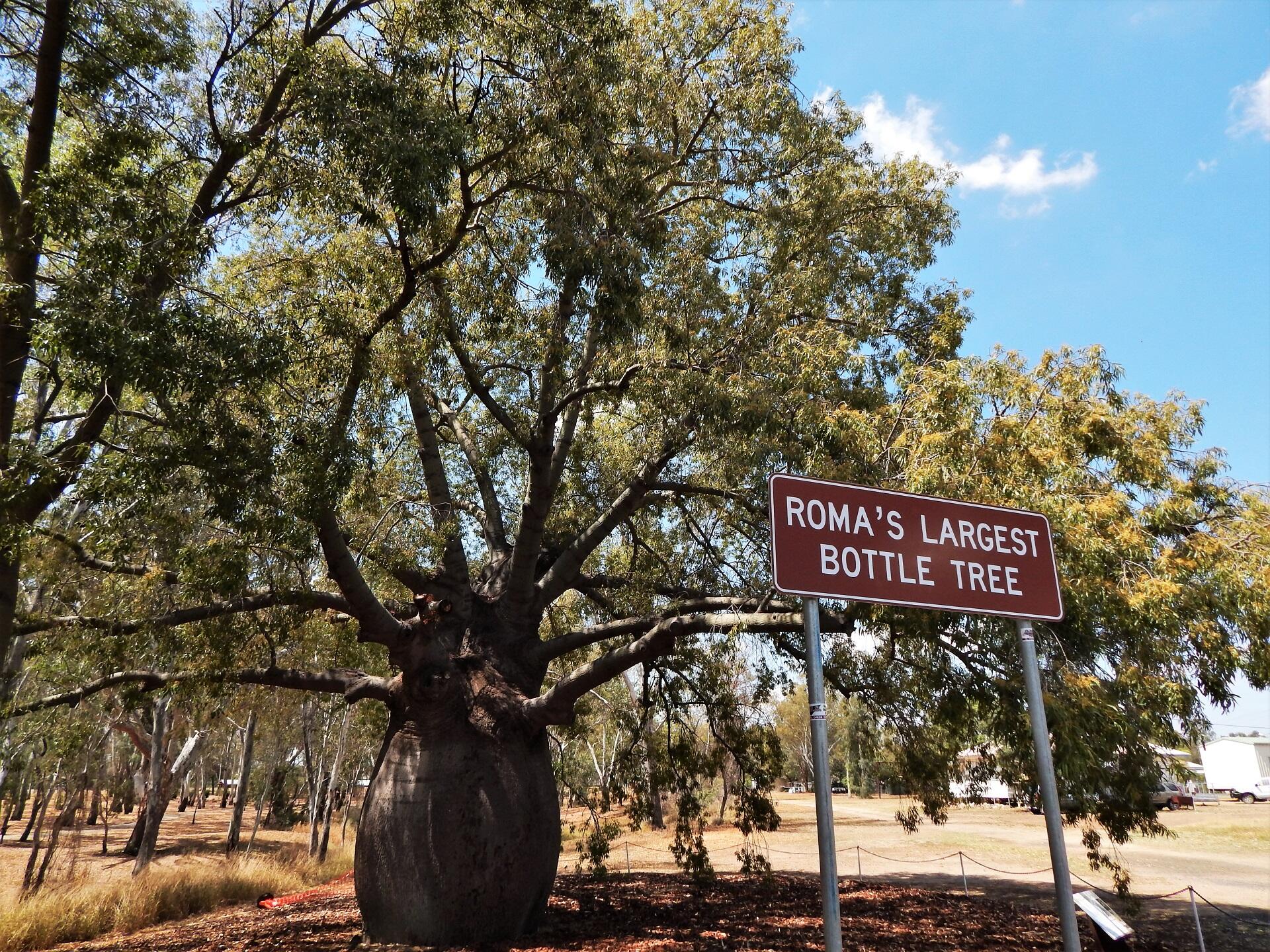
| Bottle Tree | Brachychiton | Look like bottles after 5-8 years of growth. Grows white, bell-shaped flowers. Have a bulbous trunk to store water. | Queensland and northern New South Wales |
| Elm | Ulmaceae | Four types in Australia: Dutch, English, Chinese, and wych. Now especially important due to Dutch Elm disease elsewhere in the world. | In the southeastern regions and the ACT |
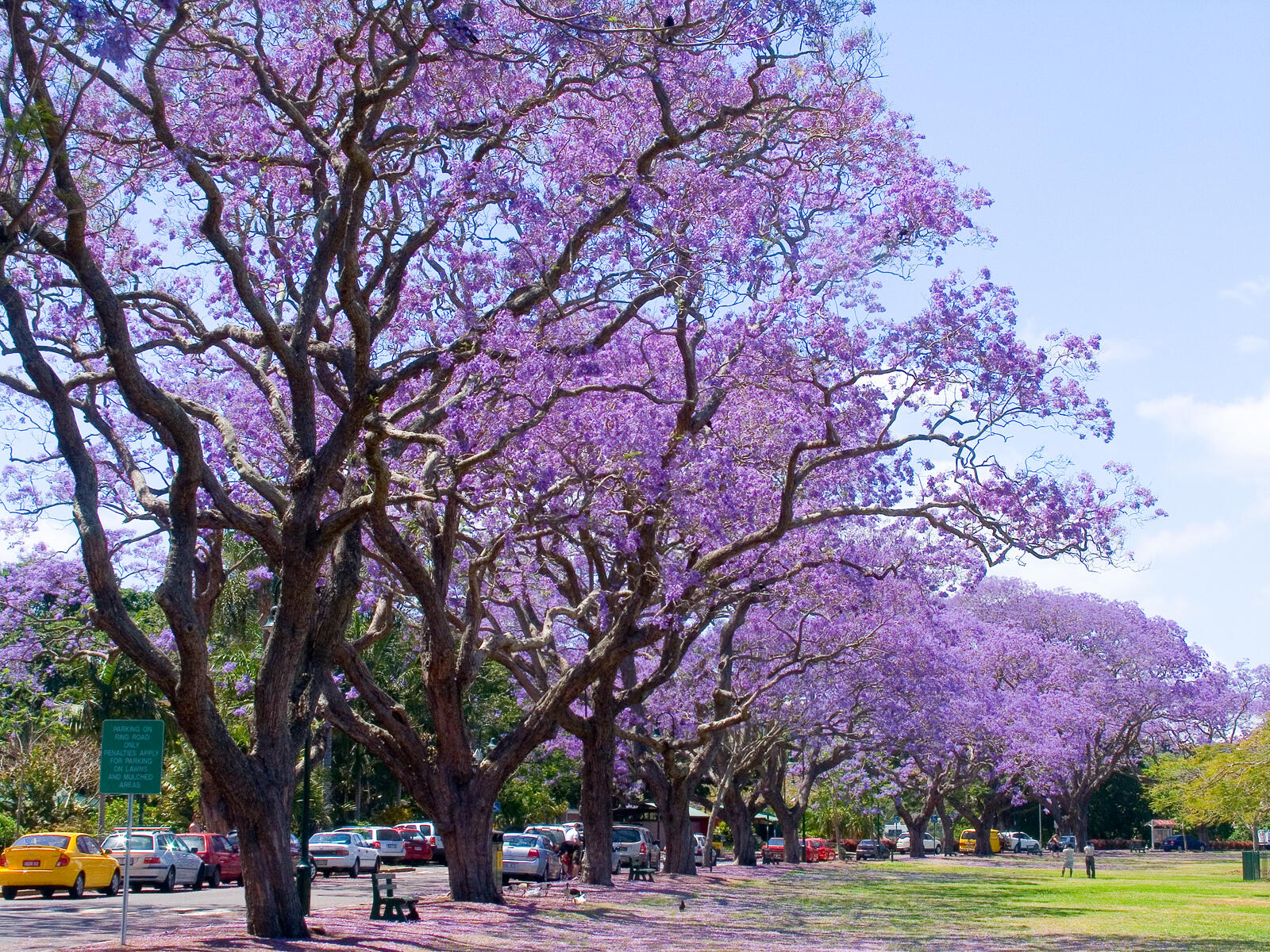
| Jacaranda | Jacaranda mimosifolia | bluish-purple flowers prized in gardens and parks tend to be invasive | Along Australia's coasts, primarily in cities. |
| Brazilian Cherry | Eugenia uniflora | produces small ribbed fruit needs lots of sun and good soil. | Mainly Queensland and NSW |
| Camphor Laurel | Camphora officinarum | produces beautiful, solid wood toxic and ecologically damaging highly invasive | Along Australia's east coast, mainly southern Queensland and northern NSW. |
| Cherry Guava | Psidium cattleyanum | great as hedges produces tasty fruit highly invasive | Queensland, NSW, Lord Howe Island, Norfolk Island, and Christmas Island. |


Native Australian Trees
Our land is rich in unique, diverse flora; more than 24,000 native species, all told. Of them, these are the most distinctive ones.
Eucalyptus and Other Gum Trees
Is there anything more iconically Australian than a koala munching on eucalyptus leaves1? In fact, 'eucalypt' is a general term we use to describe gum trees native to Australia. In all, this land is home to more than 900 gum tree species, sorted into three genera.
Eucalyptus
- Red River Gum (Eucalyptus camaldulensis)
- Snow gum (Eucalyptus pauciflora)
- Scribbly gum (Eucalyptus sclerophylla)
- Tasmanian blue gum (Eucalyptus globulus)
Corymbia
- Lemon scented gum (Corymbia citriodora)
- Spotted gum (Corymbia maculata)
- Scraggly bloodwood (Corymbia abbreviata)
- Rough-leaved ghost gum (Corymbia aspera)
Angophora
- Narrow-leaved apple (Angophora bakeri)
- Dwarf apple (Angophora hispida)
- Charmhaven apple (Angophora inopina)
- Sydney red gum (Angophora costata)
The Angophora species are fewer in number than the other two and are mostly found in New South Wales (NSW) and Queensland. The list of Corymbia variations is far longer, with species found across Australia.
Every Australian state and territory has its own representative eucalyptus species.
Gum Trees' Economic and Ecological Importance
These trees grow fast and yield plentiful hardwood, a prize for the construction and timber industries. Besides construction, making furniture, flooring, and cabinetry puts this wood to good use. Clever entrepreneurs use leftover wood pulp to weave a sustainable fabric called TENCEL that needs far less water to keep clean.
Banksia
Banksias may grow as tall as trees or remain shorter shrubs, some of whose flowers bloom and some that don't. In all, Australia features about 170 varieties of banksia, though they mostly hug the coasts. Biologists separate them into three distinct species.
The flowers' rich nectar feeds birds, bats, possums, and rats, along with a host of invertebrates and stingless bees. Fortunately, we are lessening Banksia's role in commerce, as several species are now on the rare and endangered list.
Bottlebrush
This vibrantly coloured evergreen range from 60-centimetre dwarf varieties to shrubs stretching five meters tall. Fifty different species grow all across Australia, but they are particularly abundant in eastern and southeastern regions. Bottlebrushes are low-maintenance, but they're susceptible to pests like the sawfly larvae, which strip the leaves to their skeletons.
Lemon Myrtle
People living in Queensland and northern NSW have the most access to these delightful native Australian trees. Elsewhere in the country, lemon myrtle trees can grow, albeit much smaller, provided the gardener protects them from chilly winds.
Lemon myrtle blooms rank among the most delightful of Australian flowers, as much for their delicate fragrance as for their culinary uses. Chefs use them in teas, desserts, and savoury dishes. It also makes a wonderful essential oil suitable for cosmetics and cleaning products alike.
Wattle
Wattle trees belong to the Acacia genus, which we find all over the world - but nowhere so much as in Australia. Acacia forests are Australia's most common forest type after eucalypt forests, comprising roughly 8% of our total forest area. Wattles (more specifically, Acacia) claims nearly 1,000 species, making it Australia's largest genus of flowering plants.
The Golden Wattle is Australia's national floral emblem. We celebrate it each year on 1 September.
Black Sheoak
We also call this hardy evergreen river black oak. It grows best in poor soils, that is, sandy, well-drained, and drought-resistant one. It thrives along Australia's east coast, with stands from Queensland to Tasmania. They are the only food source for glossy black-cockatoos and make a nice snack for a host of other bird species besides. They are ecologically important, as they fix nitrogen and help improve soil health.
Are Jacaranda Trees Native to Australia?
We love our beautiful jacarandas, don't we? Bluish-purple flowers that cause 'purple panic', reminding us of our halcyon days in school. These decorative trees typically bloom in October-November, right when students are wrapping up the school year. They're a symbol of upcoming summer fun.
We're growing less fond of these invasive species, classified as weeds in some parts of Queensland and NSW. They tend to crowd out native species, especially in prime soils and near waterways.
But they're not 'our' trees; they're not native to Australia, but to Argentina. Allan Cunningham, a British botanist, brought them to Australia in the 18th century. Weather and soil being roughly alike, the introduced trees thrived.
Common Trees in Australia
I planted here, to-day, a strong young tree.
C. J. Dennis
This lovely poem, a staple of Australian wisdom and culture, suggests trees are more than bark and leaves. They are a part of our national fabric, and our future hopes. These Australian trees are quite common, though one might cause you to raise an eyebrow.
Blueberry Ash
As native Australian plants go, the blueberry ash presents a mixed bag. On one hand, they produce lovely fringed, white blooms which are quite fragrant. On the other, they are prone to leaf drop due to environmental stress. They don't stand up well to extreme heat, heavy frost, or drought.
Anyone planning a Blueberry Ash hedge or screen should be mindful of their soil. This tree has a shallow root system that doesn't fare well in compacted clay soil. On the other hand, dry, sandy soils require a lot of mulching and watering for the tree to thrive.
Bottle Tree
This tree gets its name from its distinct shape, but it doesn't turn itself into a bottle-looking growth until years after planting. Until then, you can recognise bottle trees by their bulbous trunk and creamy white flowers, shaped like little bells.
Bottle tree trunks can swell up to 3.5 metres in diametre. This extra space allows it to hoard water, a bit like a camel's humps, so it can survive parched conditions.
Elm
If this is the one that made you pause, you're right: elms are not native to Australia. British settlers brought their beloved elms with them in the 19th century. Today, English elm, Dutch elm, Chinese elm, and wych elm shade our walkways, parks, and recreation spots.
The elms in Australia have gained new significance as Dutch elm disease ravages trees in the Northern Hemisphere.
Not that anyone should be gleeful over 'winning' elm significance in such a devastating way. Still, we can brag a little bit, for statistical purposes. Australian elms have become some of the most valuable and significant elms in the world due to the devastation of elm populations elsewhere.
Non-Native Trees in Australia
Besides the Jacaranda tree mentioned above, Australia has many non-native trees and shrubs. Some of these species may even be invasive, harming local flora.
Brazilian Cherry
Though the Brazilian cherry tree isn't native to our land, we repeatedly try its fruits in recipes, including in jams, preserves, and refreshing drinks. And we make lovely decking and floors out of its timber. But these functions result from two different species, both of them imported.
Eugenia Uniflora
- also called Surinam cherry or Pitanga
- produces cherry-sized fruit
- trees are popular in home gardens
- loves warm, sunny places with rich soil
- primarily found in Queensland and NSW
Hymenaea courbaril
- also called Jatoba
- grows as a dense, dark hardwood
- it's light when first milled
- interlocking grain structure resists pests, fire, and fungi
The Jatoba is not genetically related to the Brazilian cherry tree. We only call it 'Brazilian cherry' because of the distinctive reddish-brown colour it takes on as it ages after milling.
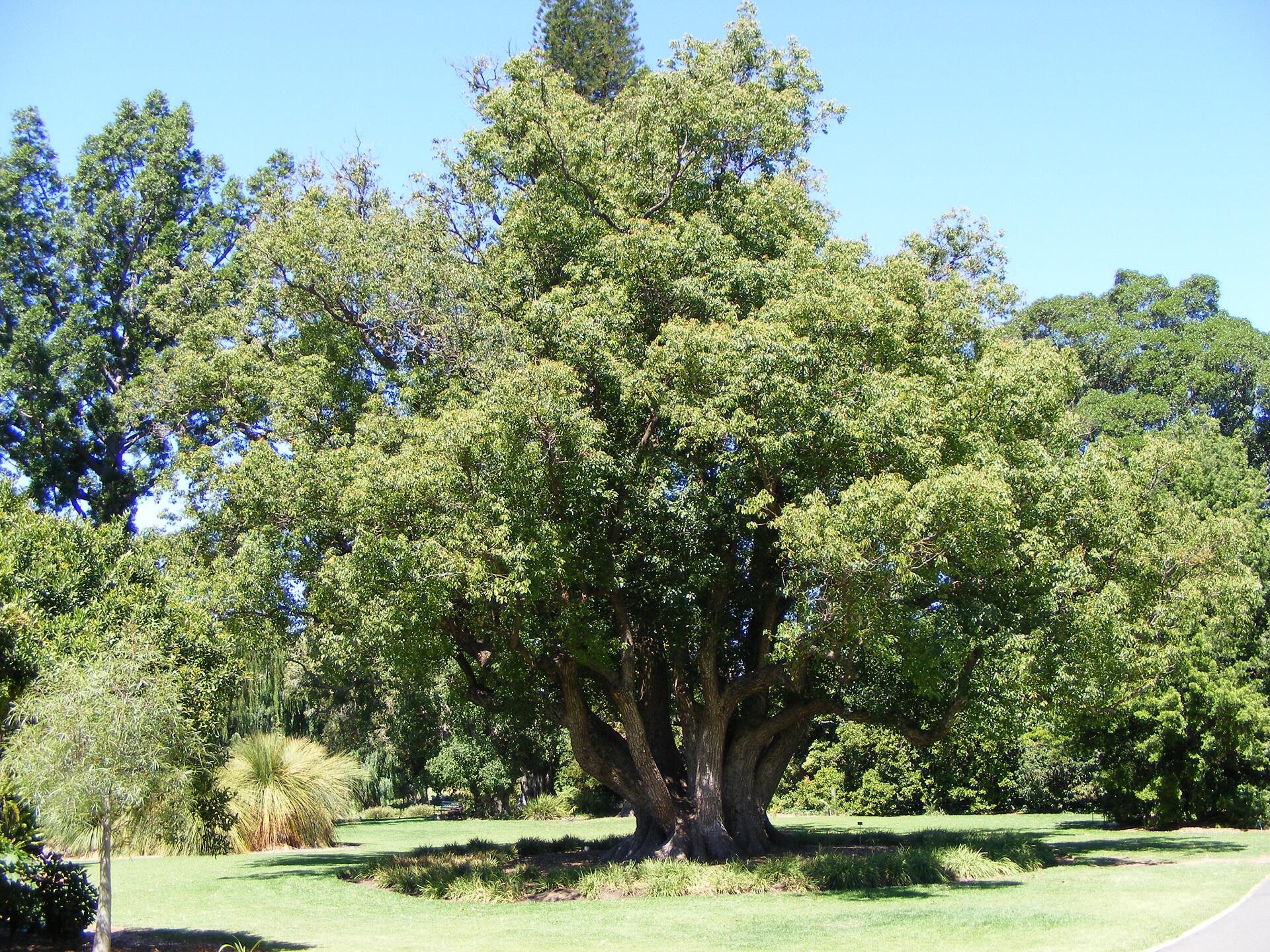
Camphor Laurel
The Brazilian Cherry tree is only mildly invasive, and careful gardeners can prevent their propagation. By contrast, this tree is highly invasive, so much so that it completely replaced the Australian laurel. It's hard to find much good to say about these trees, now classified as noxious weeds.
Still, we have these two qualities to tout: their wood makes great cutting boards and it has a lovely, honey-coloured grain. It is naturally antibacterial and it repels pests, too, but that's due to one of its negative qualities.
Cherry Guava
Where the camphor laurel is an in-your-face menace, the cherry guava is a far stealthier invader. Landscapers love them because they have dazzling green leaves and creamy white flowers. Growers like them for the tasty fruit they produce, something that tastes like a strawberry pear.
The cherry guava is classified as a noxious weed in Australia.
Worldwide, we count it as one of the top 100 worst invasive weeds.
But it's sneaky. Seeds find their way to canopy undergrowth, where they can thrive in the shade and take over the ecology. If you still want these tasty fruits to grow in your garden, do everything you can to prevent their seeds from spreading!
Discover More Trees Native to Australia With These Resources
- “Eucalyptus Leaves: More than a Delicacy for Koalas.” Office for Science and Society, www.mcgill.ca/oss/article/controversial-science-health-news-toxicity/eucalyptus-leaves-more-delicacy-koalas. Accessed 15 May 2026.
- arbor-admin. “The 17 Most Popular Native Australian Trees.” Arbor Operations, 4 Jan. 2024, www.arboroperations.com.au/the-17-most-popular-native-australian-trees/amp/. Accessed 16 May 2026.
- Author blabla https://www.trustpilot.com/review/babbel.com
Summarise with AI:
Did you like this article? Leave a rating!

 Loading...