
Australia is known for lots of things. However, we're not going to look at the usual stereotypes here. Instead, we're going to focus on the fun facts about Australia that highlight how geography, culture, and history combine to shape the country.
Key Takeaways
- Australia is the sixth-largest country in the world, covering over 7.6 million square kilometres
- The country is divided into six states and two territories, each with its own identity
- Its position between two oceans shapes climate, ecosystems, and trade routes
- Australia is the lowest continent on Earth, with a relatively flat landscape
- The Great Barrier Reef is the largest coral reef system in the world
- Much of the population lives near the coast, with most Australians within 50 km of the ocean
- Aboriginal and Torres Strait Islander cultures are the oldest continuous cultures on Earth
- Australia is one of the world’s most biodiverse countries, with many species found nowhere else





Australia Is the Sixth-Largest Country in the World
Australia is often called both a country and a continent. The reason it's both is down to politics and geography, but the physical area it covers isn't up for debate. Australia is the sixth-largest country in the world, not far behind places like Russia, Canada, and the United States.⁴ The size of the country defines it, affecting everything from culture and communities to infrastructure and climate.
square kilometres of land
Australia Has Six States and Two Territories
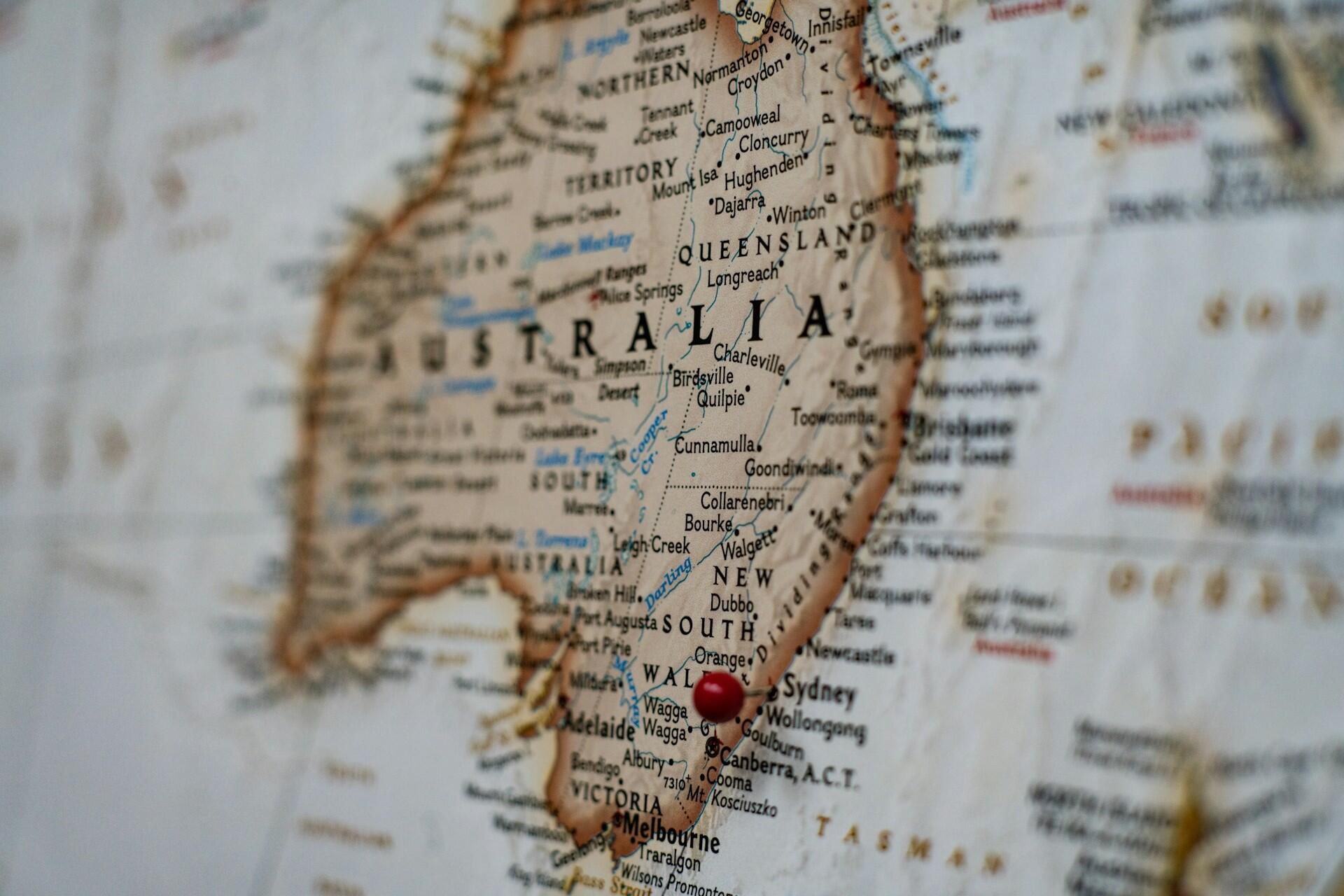
Australia has six states and two mainland territories. Each of these has its own government and distinct identity. The organisation of the country is a product of its geography and history, with states formed during colonial times and territories administered differently at a federal level.¹⁰ The states cover most of Australia, but the territories include large parts of the interior and the capital region.
Home to Sydney and the most populous state in Australia
Known for Melbourne and a strong cultural and sporting identity
A large northeastern state with tropical regions and the Great Barrier Reef
The largest state by area, covering the entire western third of the country
Known for wine regions and a central southern coastline
An island state south of the mainland with a cooler climate
A vast, sparsely populated region known for the Outback and Uluru
The federal territory containing Canberra, the capital city
Australia Sits Between the Indian and Pacific Oceans
The country and continent of Australia sits between the Indian and Pacific Oceans. Its climate and ecosystems are shaped by this location. The warm ocean currents influence coastal temperatures, with tropical conditions in the north and temperate climates in the south.¹⁰ The surrounding oceans also drive weather patterns like cyclones and seasonal rainfall, particularly along the eastern and northern coasts. You should also thank these two oceans for supporting the incredible marine biodiversity, fisheries, and trade routes that are central to Australia's natural environment and its economy.
Australia Is the Lowest Continent on Earth
Australia might be a massive landmass, but it's pretty flat. It's classified as the lowest continent on Earth.⁶ The highest point, Mount Kosciuszko, is 2,228 metres above sea level, and Kati Thanda–Lake Eyre is 15 metres below sea level. That said, the rest of the country isn't endless mountains and valleys. Australia's flatness is partly why it's home to broad plains and an arid interior, especially across the Outback.
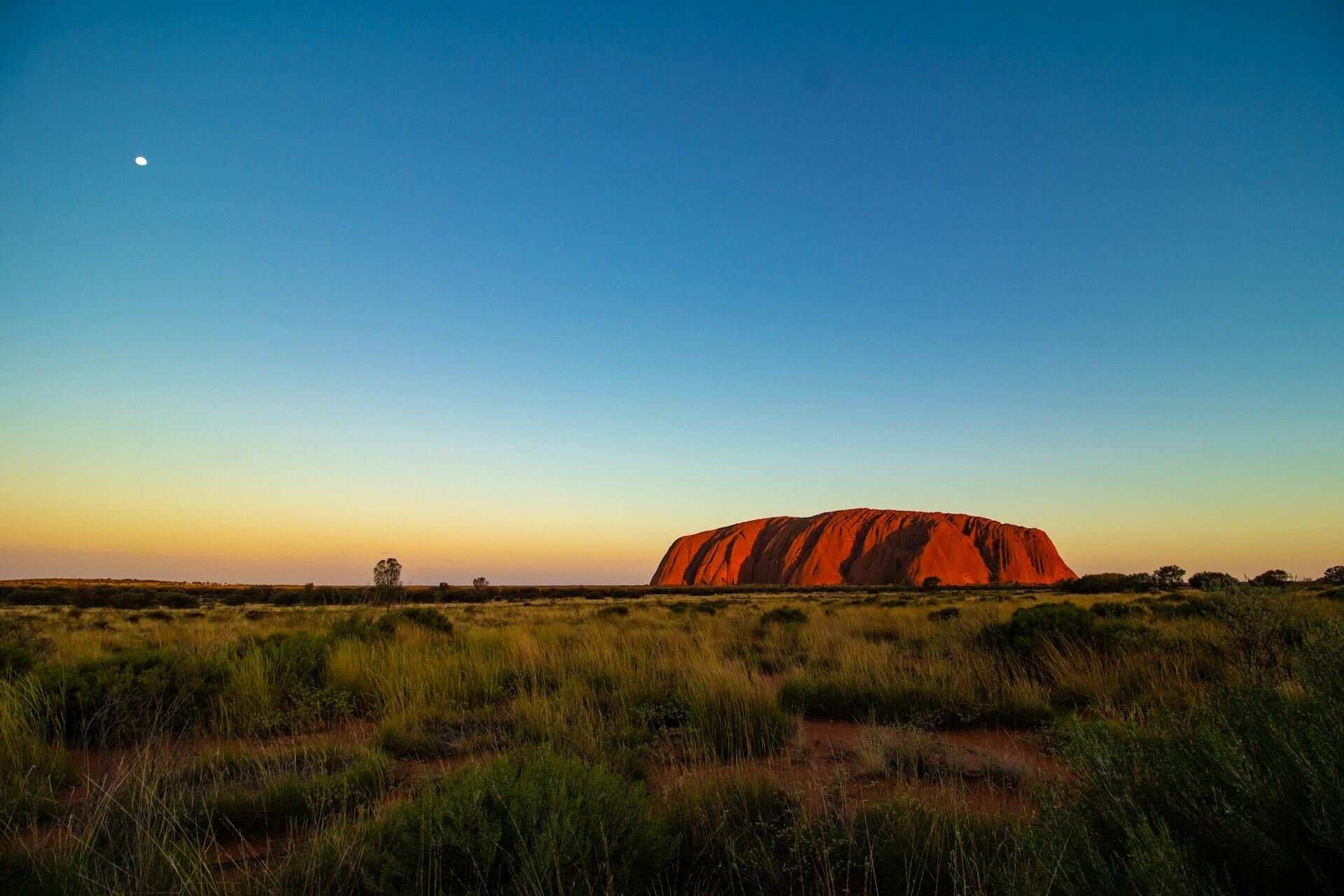
above sea level, making it the lowest continent on Earth.
The Great Barrier Reef Is the World’s Largest Coral Reef System
The Great Barrier Reef stretches along the northeast coast of Queensland. This is the largest coral reef system on Earth and one of the things Australia is most famous for.⁷ The reef spans thousands of individual reefs and islands, which results in a complex marine environment that so many species call home. Large areas of Australia’s surrounding waters are also protected through marine park systems.⁹
square kilometres.
The Great Barrier Reef Is Visible from Space
The Great Barrier Reef is one of the few living structures visible from space.⁸ Naturally, visibility depends on conditions like weather and lighting, but it stands out compared to most of Earth's natural features. Most research on the reef, however, takes place much closer to sea level.
Australia’s Coastline Stretches Around 34,000 Kilometres
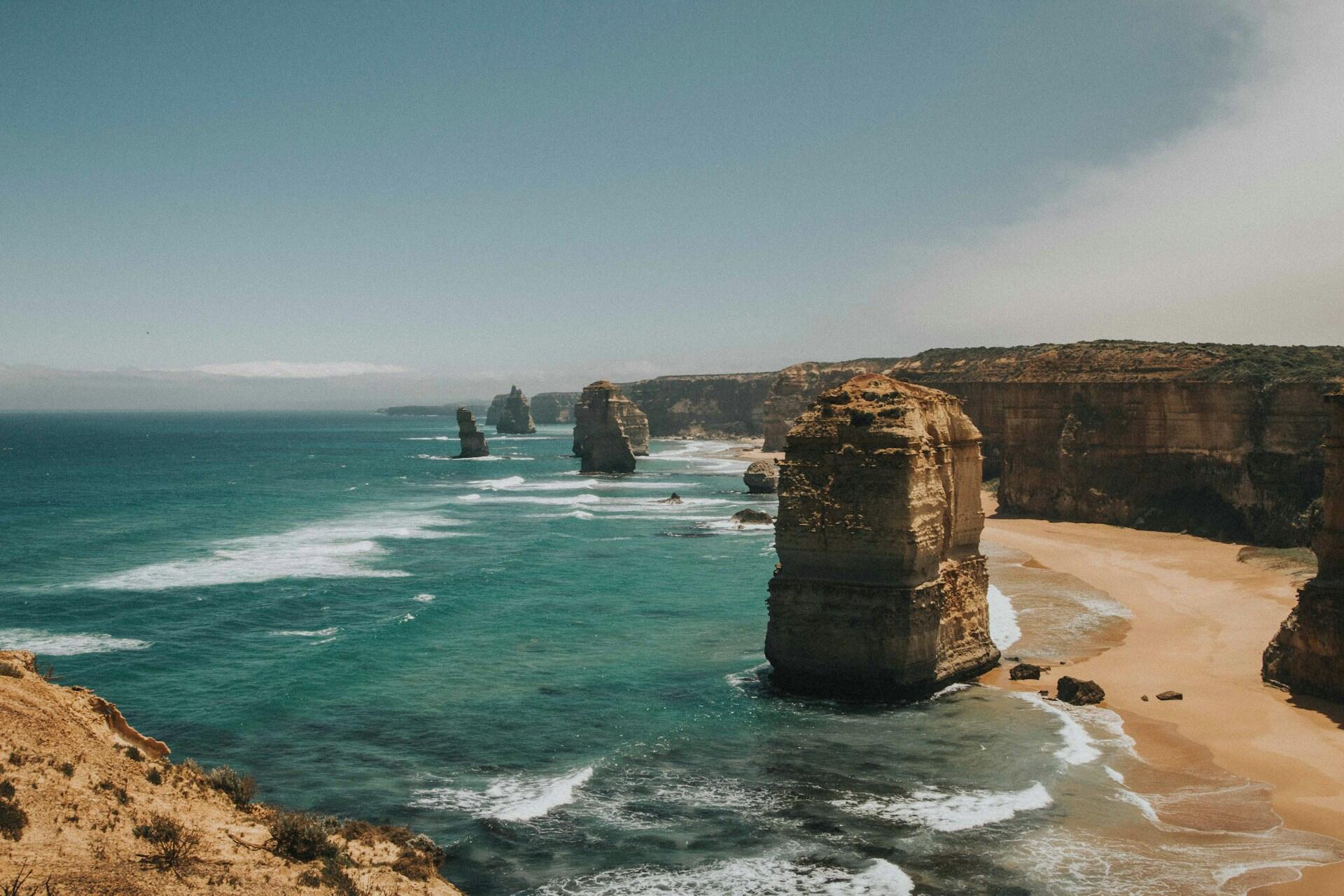
Australia's coastline is one of its finest features. It stretches for over 34,000 kilometres (excluding offshore islands) with everything from sandy beaches and rocky cliffs to mangroves and coral reefs. In addition to being where most of the population lives, the coast is central to Australia's modern cultural identity.
About Half of Australians Live Close to the Coast
Almost half of all Australians live within a reasonable distance of the coast.⁵ Jobs, infrastructure, and milder climates are more readily available by the ocean. Cities like Sydney, Melbourne, and Brisbane are driving population growth, as Australia's population continues to increase.²
of the population lives within 7 km of the coast.
of Australians live within 50 km of the coastline.
With most people living within a few kilometres of the coast, that doesn't mean the other half are living way inland. In fact, most of the remaining Australians who don't live within 7km of the coast still live within 50km of it. Only slightly over 1 in 10 Australians have to travel more than 50km to get to the Ocean.
Australia Is Home to the World’s Oldest Continuous Cultures
Australia is home to Aboriginal and Torres Strait Islander people. Their cultures are recognised as the oldest continuous living cultures on Earth.¹⁰ With histories connected to land, language, and traditions passed down over thousands of years, cultural identity is embedded in Australia's past and presence.
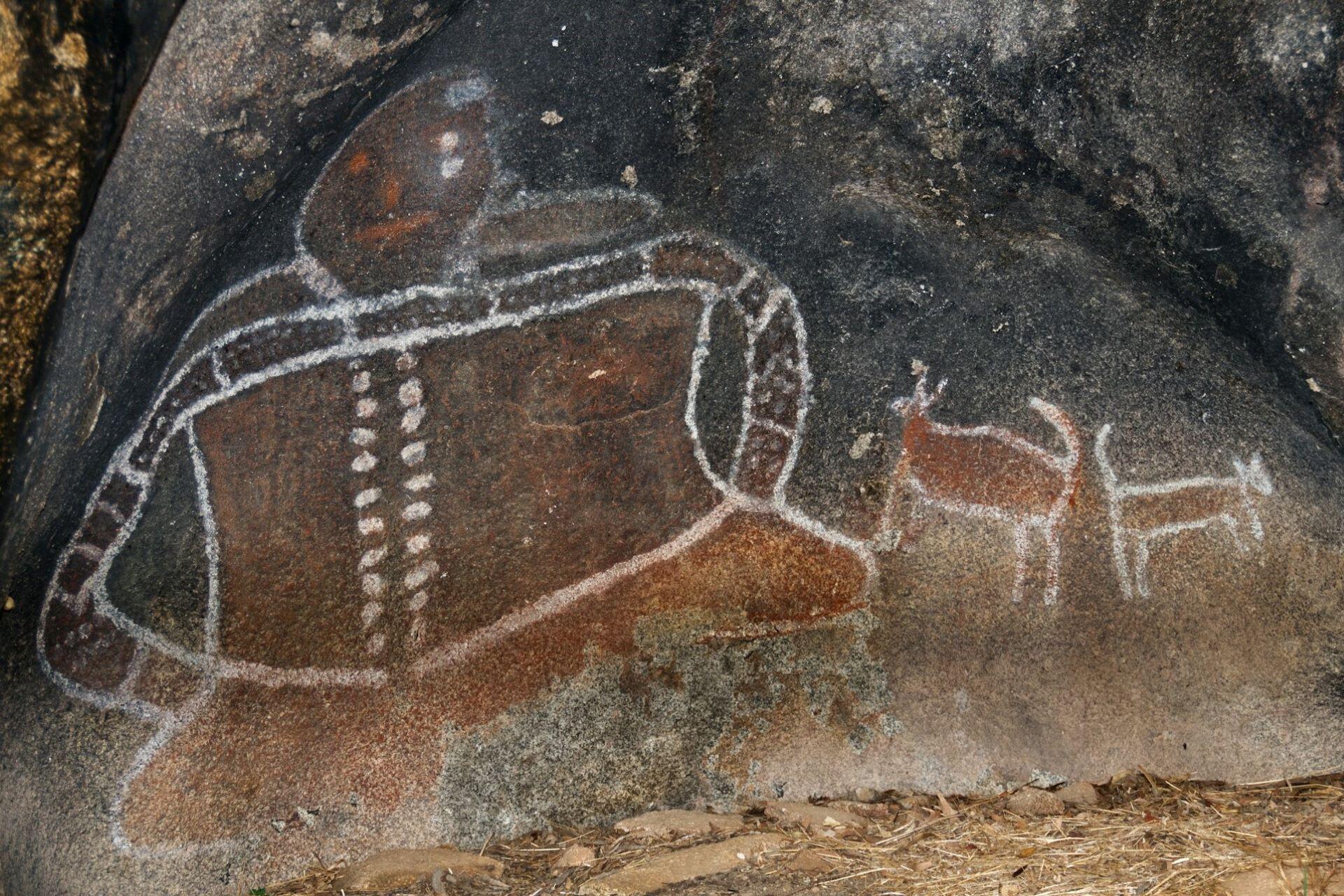
Aboriginal culture isn't homogeneous, though. Hundreds of distinct language groups developed across different regions and communities. Today, Australia is also highly diverse, with a significant proportion of the population born overseas.¹ While many are no longer widely spoken, they're central to cultural identity.
of continuous culture across Australia, Aboriginal culture is among the oldest continuous cultures in the world.
The largest language family, covering most of mainland Australia
A group of related languages spoken in northeast Arnhem Land
A widely spoken cluster across central and western Australia
Spoken in central Australia, particularly around Alice Springs
A language group from the southwest of Western Australia
A group of languages from central Victoria, including around Melbourne
Distinct from mainland Aboriginal languages, spoken in the Torres Strait Islands
Australia Is One of the Most Biodiverse Countries on Earth
Australia is classified as a megadiverse country, meaning it supports a vast array of plant and animal life found nowhere else.³ Geographic isolation for a long time allowed species to evolve in unique ways. This led to a high level of endemism across both flora and fauna.
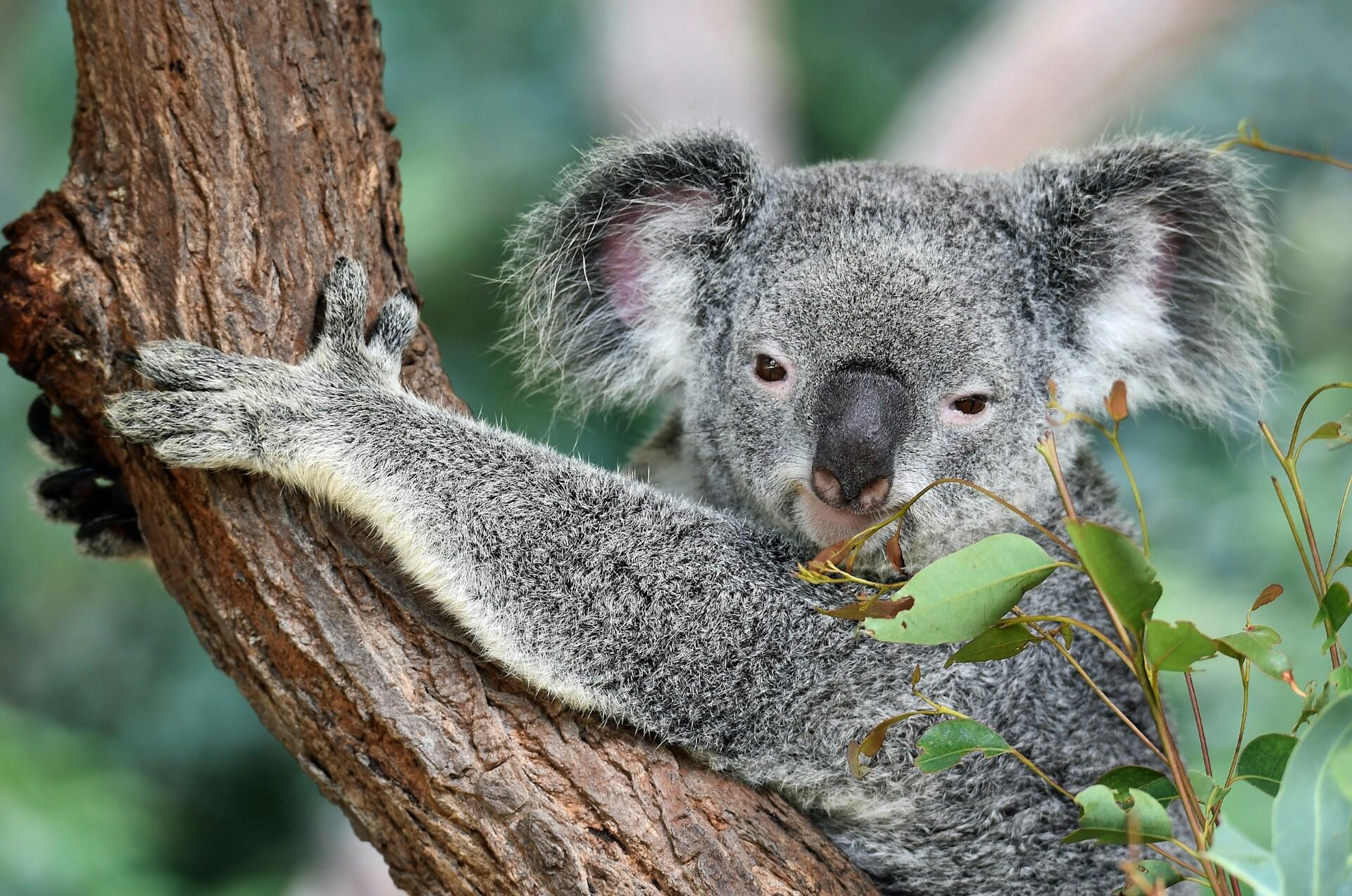
The range of environments from rainforests and coral reefs to arid deserts has created a range of ecosystems for different species, many of which are protected within national parks and marine reserves.⁹ Many of Australia's most recognisable species are only found here. It isn't just animals, though; native plants are central to supporting ecosystems.
An iconic marsupial found only in Australia, known for its powerful hind legs and hopping movement
A tree-dwelling marsupial that feeds almost exclusively on eucalyptus leaves
One of the few egg-laying mammals, combining features of birds, reptiles, and mammals
A spiny monotreme that lays eggs and uses its long snout to feed on ants and termites
A burrowing marsupial with strong limbs and a distinctive, stocky build
A carnivorous marsupial known for its powerful bite and loud vocalisations
Dominant across much of Australia, forming the backbone of many ecosystems
Australia’s national floral emblem, adapted to dry conditions and widespread across the country
References
- Australian Bureau of Statistics. “Australia’s Population by Country of Birth, Jun 2024.” Australian Bureau of Statistics, https://www.abs.gov.au/statistics/people/population/australias-population-country-birth/latest-release. Accessed 23 Apr. 2026.
- Australian Bureau of Statistics. “Australia’s Population Grows 1.6% in September 2025.” Australian Bureau of Statistics, 19 Mar. 2026, https://www.abs.gov.au/media-centre/media-releases/australias-population-grows-16-september-2025. Accessed 23 Apr. 2026.
- Department of Climate Change, Energy, the Environment and Water. “Australia’s Biological Resources.” DCCEEW, https://www.dcceew.gov.au/science-research/australias-biological-resources. Accessed 23 Apr. 2026.
- Geoscience Australia. “Area of Australia - States and Territories.” Geoscience Australia, https://www.ga.gov.au/scientific-topics/marine/coasts-estuaries. Accessed 23 Apr. 2026.
- Geoscience Australia. “Australia’s Coasts and Estuaries.” Geoscience Australia, https://www.ga.gov.au/scientific-topics/marine/coasts-estuaries. Accessed 23 Apr. 2026.
- Geoscience Australia. “Elevations.” Geoscience Australia, https://www.ga.gov.au/scientific-topics/national-location-information/landforms/elevations. Accessed 23 Apr. 2026.
- Great Barrier Reef Marine Park Authority. “Fascinating Facts About the Great Barrier Reef.” Reef Authority, https://www2.gbrmpa.gov.au/learn/fascinating-facts-about-great-barrier-reef. Accessed 23 Apr. 2026.
- Great Barrier Reef Marine Park Authority. “World Heritage Area.” Reef Authority, https://www2.gbrmpa.gov.au/learn/world-heritage-area. Accessed 23 Apr. 2026.
- Parks Australia. “Marine Parks.” Australian Marine Parks, https://australianmarineparks.gov.au/marine-parks/. Accessed 23 Apr. 2026.
- Tourism Australia. “Discover Key Facts About Australia.” Tourism Australia, https://www.australia.com/en-us/facts-and-planning/about-australia/key-facts-about-australia.html . Accessed 23 Apr. 2026.
Summarise with AI:
Did you like this article? Leave a rating!

 Loading...