
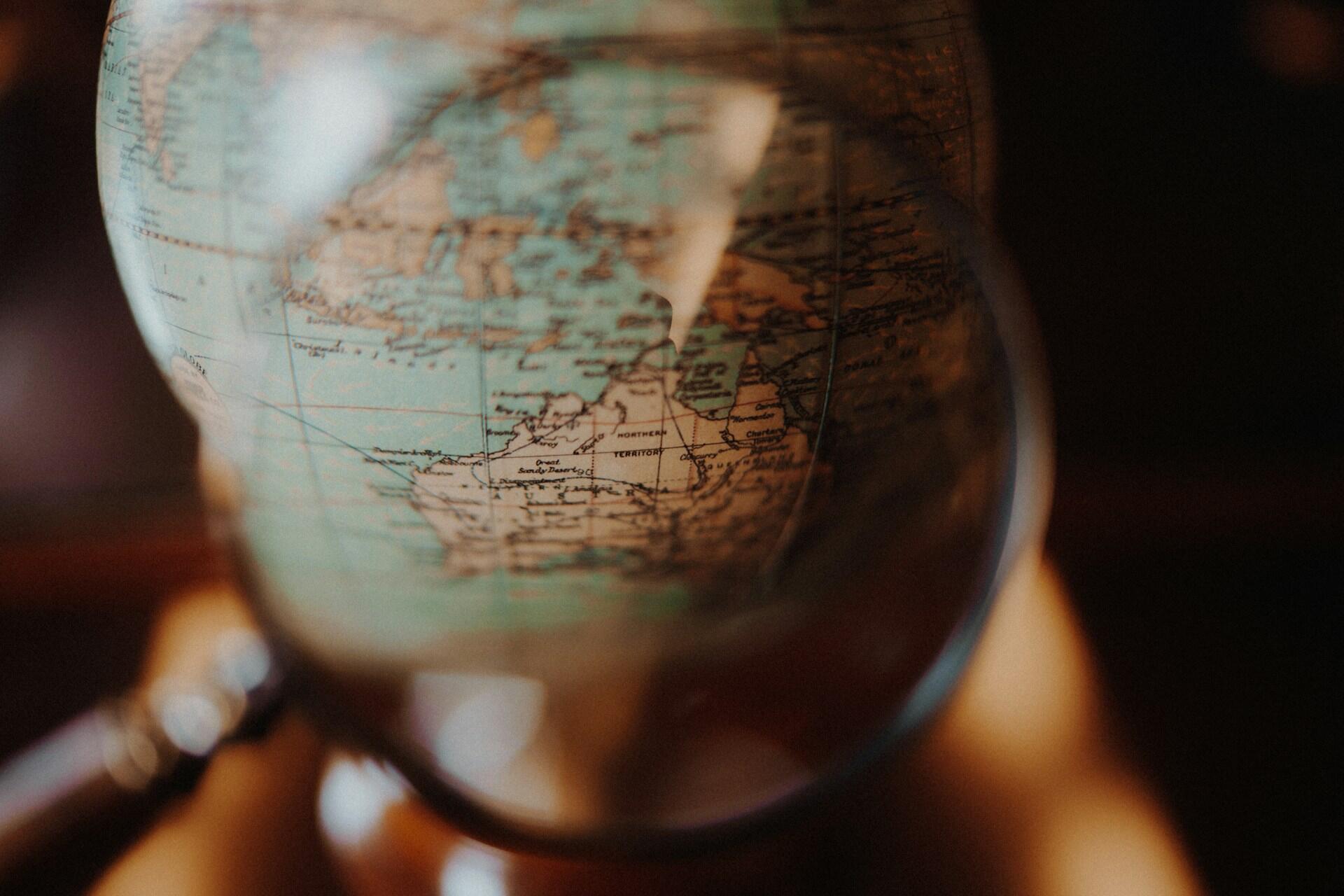

Australia is one of the biggest countries in the world. If you've never been or never travelled across it, it can be hard to really grasp how big it is. Australia is the sixth-largest country in the world, covering approximately 7,688,287 square kilometres and accounting for around 5% of the world's total land area.⁶ The table below shows how Australia compares with Europe, the United States, Brazil, and India.
| Region / Country | Land Area (sq km) | Compared to Australia |
|---|---|---|
| Australia | 7,688,287 | N/A |
| Europe | 10,180,000 | 1.32x larger |
| United States | 9,833,000 | 1.28x larger |
| Brazil | 8,516,000 | 1.11x larger |
| India | 3,287,000 | 0.43x the size |
Key Takeaways
- Australia covers 7,688,287 square kilometres, making it the sixth-largest country in the world
- The country accounts for around 5% of the Earth’s total land area
- Australia is larger than every individual European country (except Russia)
- It is slightly smaller than the United States overall, but larger than the continental US.
- Distances between major cities can reach thousands of kilometres, often requiring long travel times
- Most of the population lives along the coast, leaving large inland areas sparsely populated
- Australia’s size creates distinct climate zones, from tropical north to arid interior and temperate south





Australia’s Land Area and Dimensions
From infrastructure to population density, Australia's size presents both opportunities and challenges. There are large distances between regions, which means air travel and long-distance road systems are often the only options for travel. The result is regional identities, with communities developing in relative isolation from one another, shaped by long-term population patterns.¹
Australia’s size shapes how people experience the country day to day. Journeys between major cities are often much longer than visitors expect, and large parts of the interior remain sparsely populated. This scale affects transport, regional identity, climate variation, and even how Australians talk about distance, with trips of several hours often treated as normal.
Australia Land Area: Total Size Explained
Australia occupies a large part of the Southern Hemisphere between the Indian and Pacific Oceans.³ Across its landmass, there are various environments from coastal plains to inland deserts and mountains. Geographical variation has affected land use, agriculture, the distribution of natural resources, and even local cultures.
square kilometres, making it one of the largest countries in the world.⁴
Australia Length and Breadth
Since Australia spans several latitudes, there are noticeable changes in daylight, seasons, and weather patterns between the north and south. Northern regions are more tropical, while southern areas enjoy more temperate climates. Everything from farming to daily life is affected by this.
from its tropical northern tip to its southernmost point.
How Wide Is Australia?
From east to west, Australia has several regions with differing geographies. Coastal areas in Australia are typically more developed, while the inland regions are less populated. To travel across this distance, you'd have to pass through several distinct landscapes.
across the continent at its widest point.
Australia’s Coastline Length
One of the interesting things about Australia is that the coast is where most of the population lives. Many major cities are located by the ocean. Coastal areas are key for trade, tourism, and access to marine resources. The coastal parts of Australia also include extensive estuaries and marine environments that support diverse ecosystems.⁵
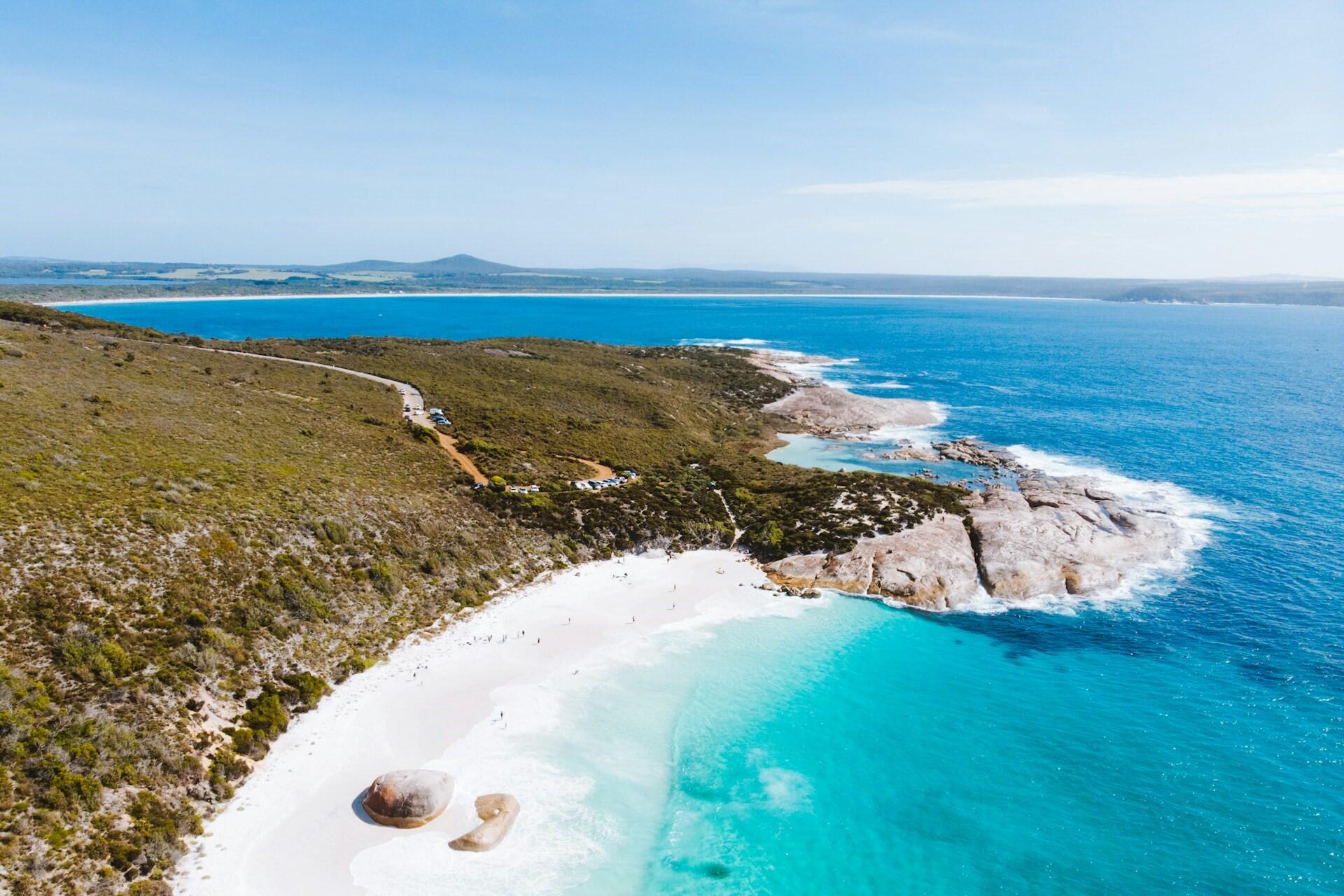
of coastline, shaping its geography and ecosystems.
Comparing Australia’s Size to Other Regions
If you're not from Australia or have never been, it can be difficult to understand its size without comparison. Australia is larger than every European country, often by a large margin, in total land area.⁸ However, it's about the same size as the continental United States.⁶ While it's slightly smaller than the entire United States (when you include Alaska and Hawaii), it's bigger than the lower 48 states. When you see it next to entire European nations, the scale difference becomes much clearer in practical terms.¹⁰ This is especially noticeable when compared to the United States.⁹
Australia's Size Compared to Europe
To put Australia’s scale into perspective, here’s how it compares with some of Europe’s largest and most familiar countries by land area.
Australia is about 250x larger
Australia is about 14x larger
Australia is about 22x larger
Australia is about 25x larger
Australia is about 185x larger
Australia is about 25x larger
Australia is about 32x larger
Australia is about 15x larger
Australia is about 13x larger
Australia is about 32x larger
Australia vs United States: Size Comparison
Australia is often compared with the United States because the two are similar in scale, but the comparison changes depending on whether you include Alaska and Hawaii. Here’s how Australia measures up against the US and selected states.
Australia is about 0.78x the size
Australia is about 0.96x the size
Australia is about 4.5x larger
Australia is about 18.2x larger
Australia is about 45.1x larger
Australia is about 21.3x larger
Australia is about 54.4x larger
Australia is about 11.4x larger
Visualising Australia’s Distances
To understand Australia's size, travel distances can help. Journeys can often look manageable on a map, especially with fairly direct roads, but these can take hours or days. Look at real travel routes and times, and you should have a better idea of how vast the country or continent of Australia is (it's both, by the way).
Distances Between Major Australian Cities
These routes show how far apart Australia’s major cities really are. Even trips that seem straightforward on a map can involve a full day of driving, while cross-country journeys can take several days depending on stops, road conditions, and route choices.
~878 km (about 9 hours by car)
~917 km (around 10 hours by car)
~727 km (roughly 8 hours by car)
~2,700 km (over 28 hours by car)
~3,900 km (around 40 hours by car)
~4,300 km (one of the longest cross-country routes)
~3,000 km (crosses the centre of Australia)
~4,000 km (remote and sparsely populated route)
~1,700 km (a long east coast journey)
~600 km total travel distance
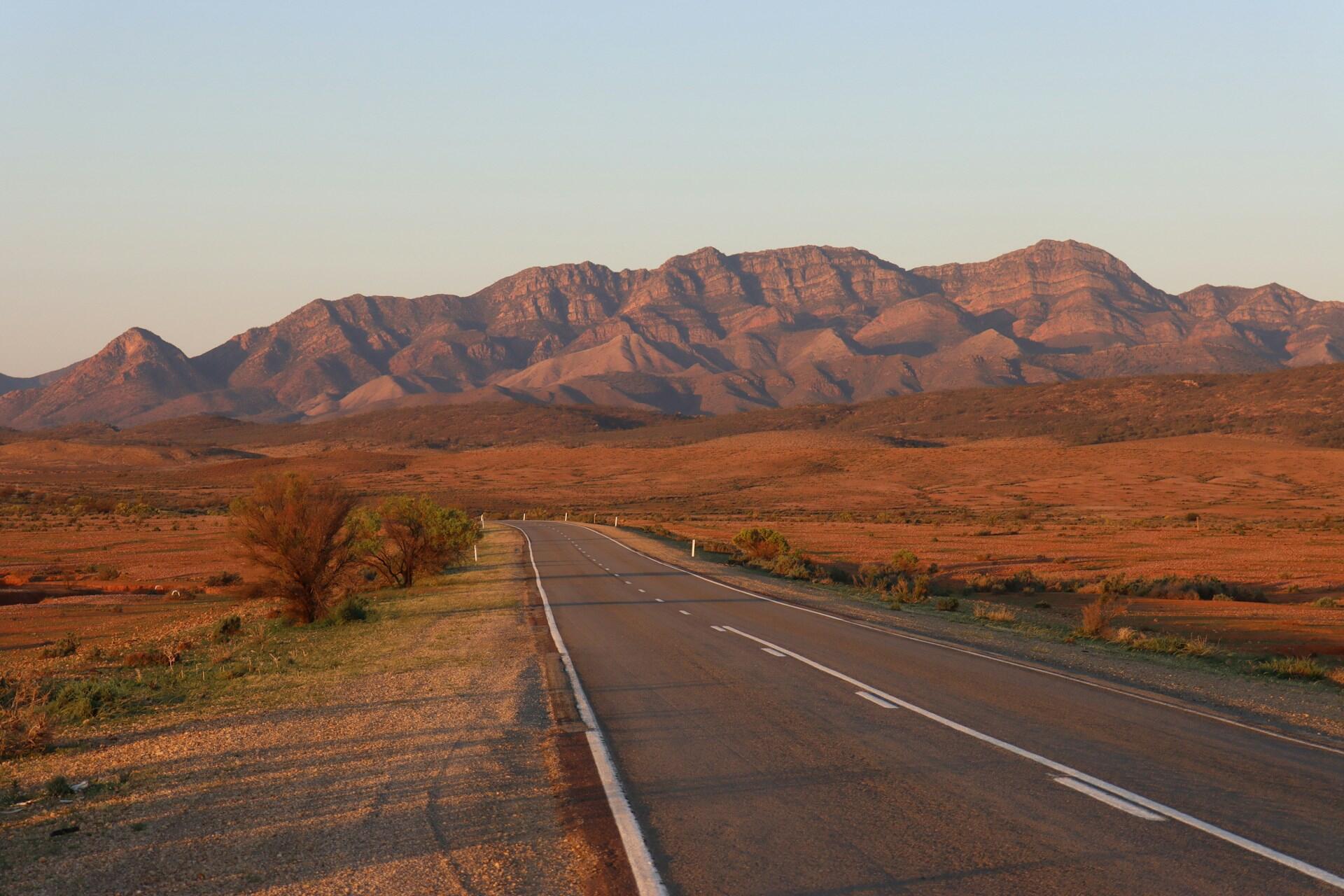
What Australia’s Size Means in Practice
Australia's size is partly why the country ended up the way it is. The distances and climates affect how people live, where they settle, and how regions develop. This is why most communities are concentrated in specific parts of the country, particularly along the coast and in major urban regions.²
Climate and Biodiversity Across the Country
Hot, humid climate with wet and dry seasons; home to crocodiles, reef systems, and rainforest species
Temperate to subtropical climate; diverse ecosystems including forests and coastal wildlife
Cooler temperate climate with seasonal variation; supports agriculture and mixed habitats
Arid desert climate with extreme temperatures; adapted species such as reptiles and hardy mammals
Ranges from tropical north to Mediterranean south-west; high levels of endemic plant species
Cool temperate climate with high rainfall; dense forests and unique wildlife such as the Tasmanian devil
Fun Facts About Australia’s Size
Some of these facts aren't immediately obvious, but they should help you understand how big Australia is. The country is massive, but given its relatively small population for its size, some of it is actually classed as a desert. These facts should put its size into perspective.
References
- Australian Bureau of Statistics. Historical Population, 2021. https://www.abs.gov.au/statistics/people/population/historical-population/latest-release Accessed 23 Apr. 2026.
- Australian Bureau of Statistics. Regional Population, 2024-25 Financial Year. https://www.abs.gov.au/statistics/people/population/regional-population/latest-release Accessed 23 Apr. 2026.
- Department of Foreign Affairs and Trade. About Australia. https://www.dfat.gov.au/about-australia Accessed 23 Apr. 2026.
- Geoscience Australia. Area of Australia - States and Territories. https://www.ga.gov.au/scientific-topics/national-location-information/dimensions/area-of-australia-states-and-territories Accessed 23 Apr. 2026.
- Geoscience Australia. Australia’s Coasts and Estuaries. https://www.ga.gov.au/scientific-topics/marine/coasts-estuaries Accessed 23 Apr. 2026.
- Geoscience Australia. Australia’s Size Compared. https://www.ga.gov.au/scientific-topics/national-location-information/dimensions/australias-size-compared Accessed 23 Apr. 2026.
- Geoscience Australia. Continental Extremities. https://www.ga.gov.au/scientific-topics/national-location-information/dimensions/continental-extremities Accessed 23 Apr. 2026.
- MyLifeElsewhere. Size of Australia Compared to Europe. https://www.mylifeelsewhere.com/country-size-comparison/australia/europe Accessed 23 Apr. 2026.
- MyLifeElsewhere. Size of Australia Compared to United States. https://www.mylifeelsewhere.com/country-size-comparison/australia/united-states Accessed 23 Apr. 2026.
- Simify. Is Australia Bigger than Europe? Compare the Two. https://simify.com/blogs/travel/australia-vs-europe-size-comparison Accessed 23 Apr. 2026.
Summarise with AI:
Did you like this article? Leave a rating!

 Loading...
