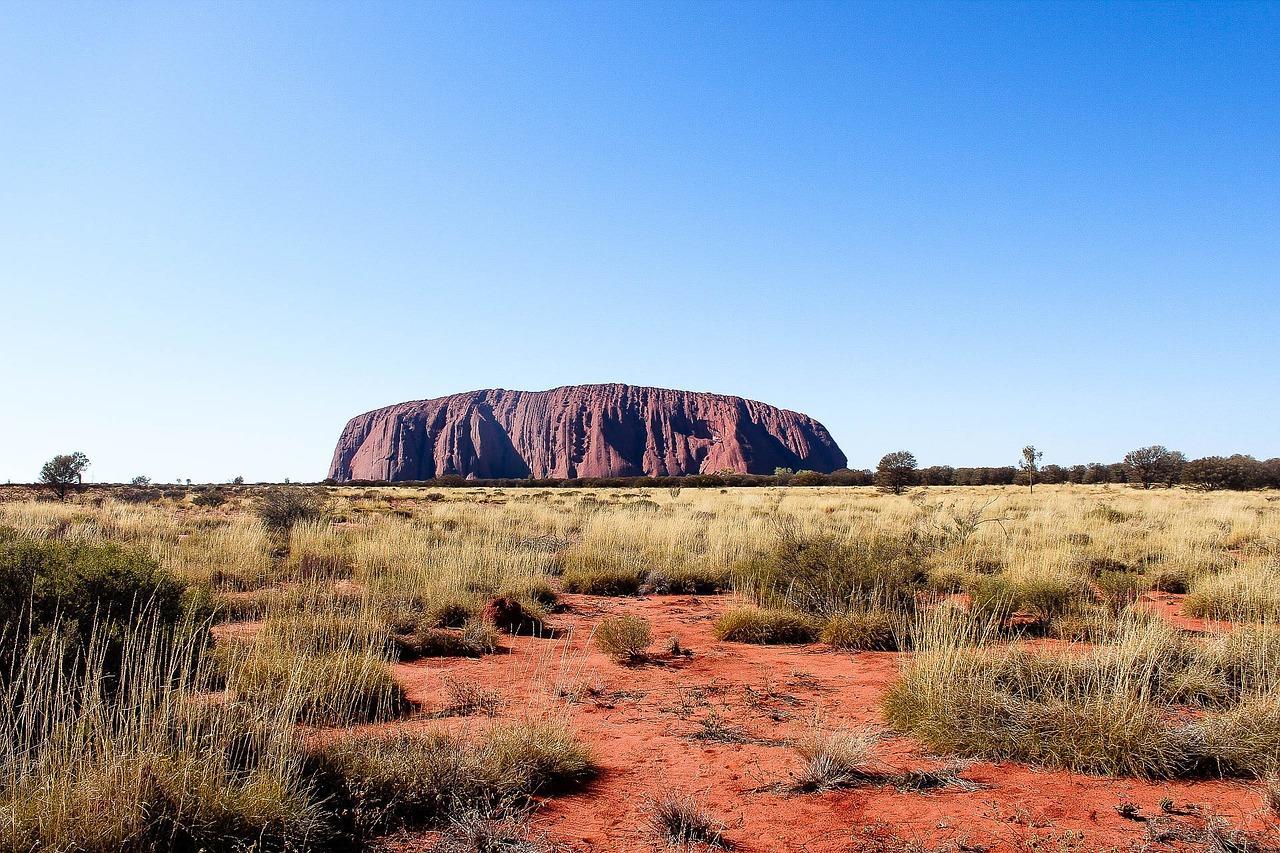

The First Nations people of Australia and the Torres Strait Islands have a long, rich history pre-dating the arrival of European colonists in the 18th century. Understanding that history is just as important as knowing what happened after 1788. Learn about the lengthy history of Indigenous Australian people, who carry one of the oldest continuous cultures in the world.
Aboriginal History Australia Timeline
65,000+ Years Ago
First People Migrate to Country
The first groups of people travel to the land now known as Australia
11,650 years ago
Rising Oceans Create the Torres Strait
The superlandmass is broken up into individual islands by rising oceans.
400-11,650 years ago
Indigenous Culture and Lifestyle Evolved
Groups learned to live with Land and adapt to changing climates.
1606
First European Contact
The first European explorers make their way to the continent.
1778
Arrival of the First Fleet
British colonisers arrive on the shores of Australia, claiming "terra nullius."
1901
Australia Declares Itself a Federated Country
Indigenous people are not considered citizens.
1900s
The Stolen Generations
For over 50 years, children are regularly removed from their families.
1967
1967 Referendum
Aboriginal and Torres Strait Islanders are added to the Constitution.
Late 20th century
Progress and Reconciliation Beginnings
Laws are changed and new ones made in favour of aiding First Nations people.
2017
Uluru Statement from the Heart
The Statement requests truth-telling and agreement-making so First Nations peoples may make more meaningful progress in returning to their cultures and traditions.


65,000+ Years Ago: First People Migrate to Country
An estimated 65,000 years ago or more, the first people migrated from what is now Southeast Asia to Sahul, the ancient landmass that is now known as Australia, Papua New Guinea, and Tasmania. At the time, the land masses were much closer together, and it was easier to cross the water with simple watercraft.
generations
Over time, the people formed different groups and spread around the continent, which was in the midst of an ice age. They adapted to the climate and landscape, creating cultures and tools, and building their wisdom with the Land.
During these millennia, creation stories began to take shape. These stories and this time period of ancient ancestry are often referred to as the Dreaming (although the concept is much larger than just the past).
The oldest human remains ever found were located in the now-dry Lake Mungo in south-western New South Wales. Discovered in 1968, they indicate a woman who had been ritually buried around 40,000 years ago.
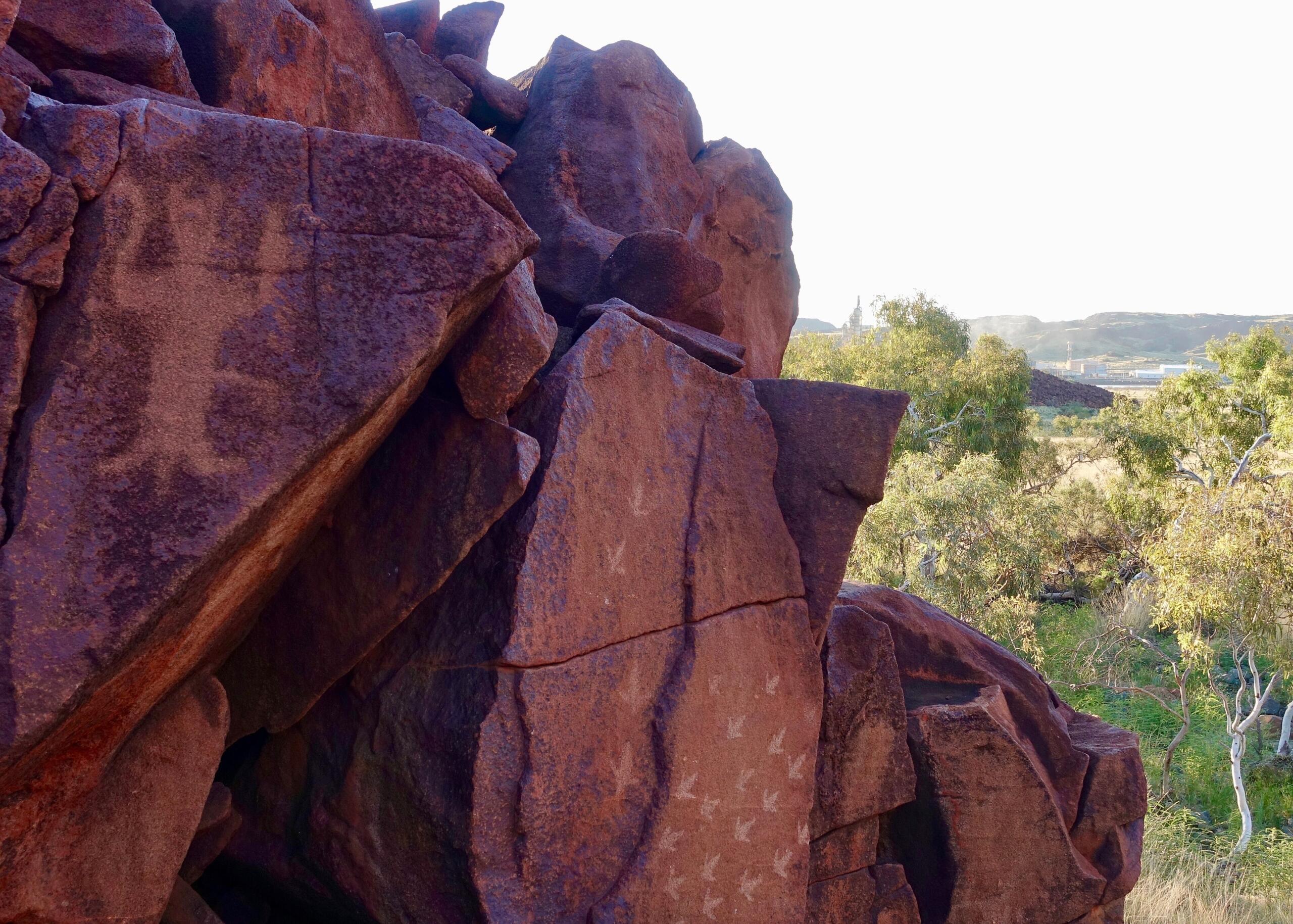
The oldest petroglyphs (caved rock art) in the world is located in Murujuga, Western Australia. They are estimated to be about 40,000-50,000 years old.
The culture of understanding one’s place among the Land, respecting the Law of existence, guided and continues to guide First Nations law, behaviour, and identity.
These ancient peoples developed tools made of stone, wood, and other natural resources. They learned how to manage the land with controlled fires, called fire farming, which supported hunting and new plant growth.
Learn more about the tools and technology invented by the Indigenous Australian people.
11,650 Years Ago: Rising Oceans Create the Torres Strait
As the Pleistocene (Little Ice Age) era ended, the oceans began to rise around the globe. Glaciers melted, sending water back into the seas. The Australian continent shrank as ocean waters rose, eventually settling into a coastline resembling what we know today.
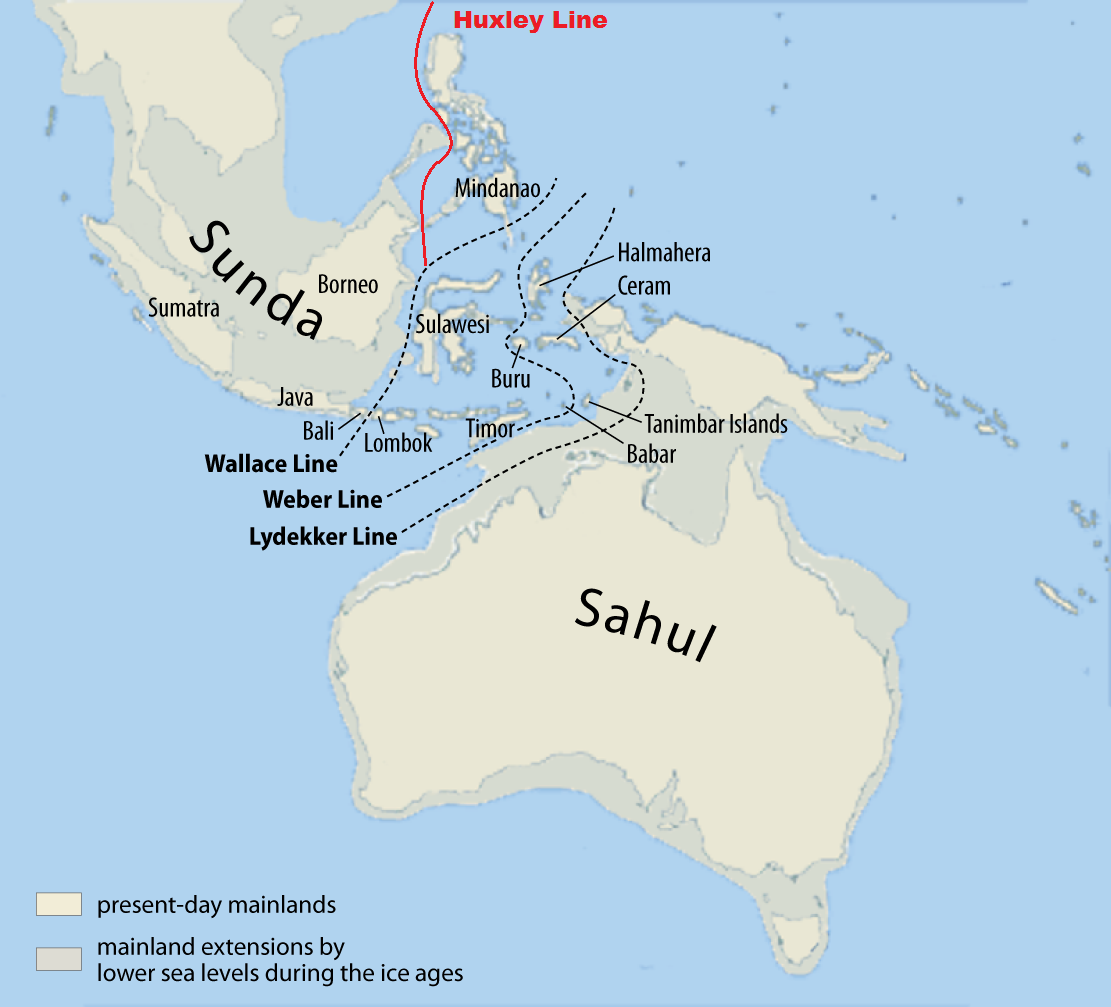
The land bridge connecting Australia and Papua New Guinea disappeared, and the Torres Strait and its islands remained.
As the climate warmed, Torres Strait Islander people developed a strong marine culture.
They relied on fishing, canoe travel, and knowledge of the ocean, which deeply influenced their culture and lifestyles.
Those on the mainland started adapting to life in the forests, deserts, and warmer coastal regions. Each region required a different approach to food, shelter, and movement patterns. More advanced tools, like boomerangs and spears, helped with hunting and protection.
Between 400 and 11,650 Years Ago: Living in Harmony with Country
Over millennia, Indigenous Australian people formed hundreds of distinct clans that spanned the continent. Estimates indicate there may have been as many as 500 nations coexisting throughout the centuries, each with its own language, laws, and cultures.
One thing all had in common was a respect for Country and living with the Land. Each gained knowledge and wisdom about important facets of the world, like the seasons, animal behaviour, and plant growth cycles.
Food was hunted, gathered, foraged, and cultivated in different methods depending on the region.
Find out more about important aspects of First Nations culture.
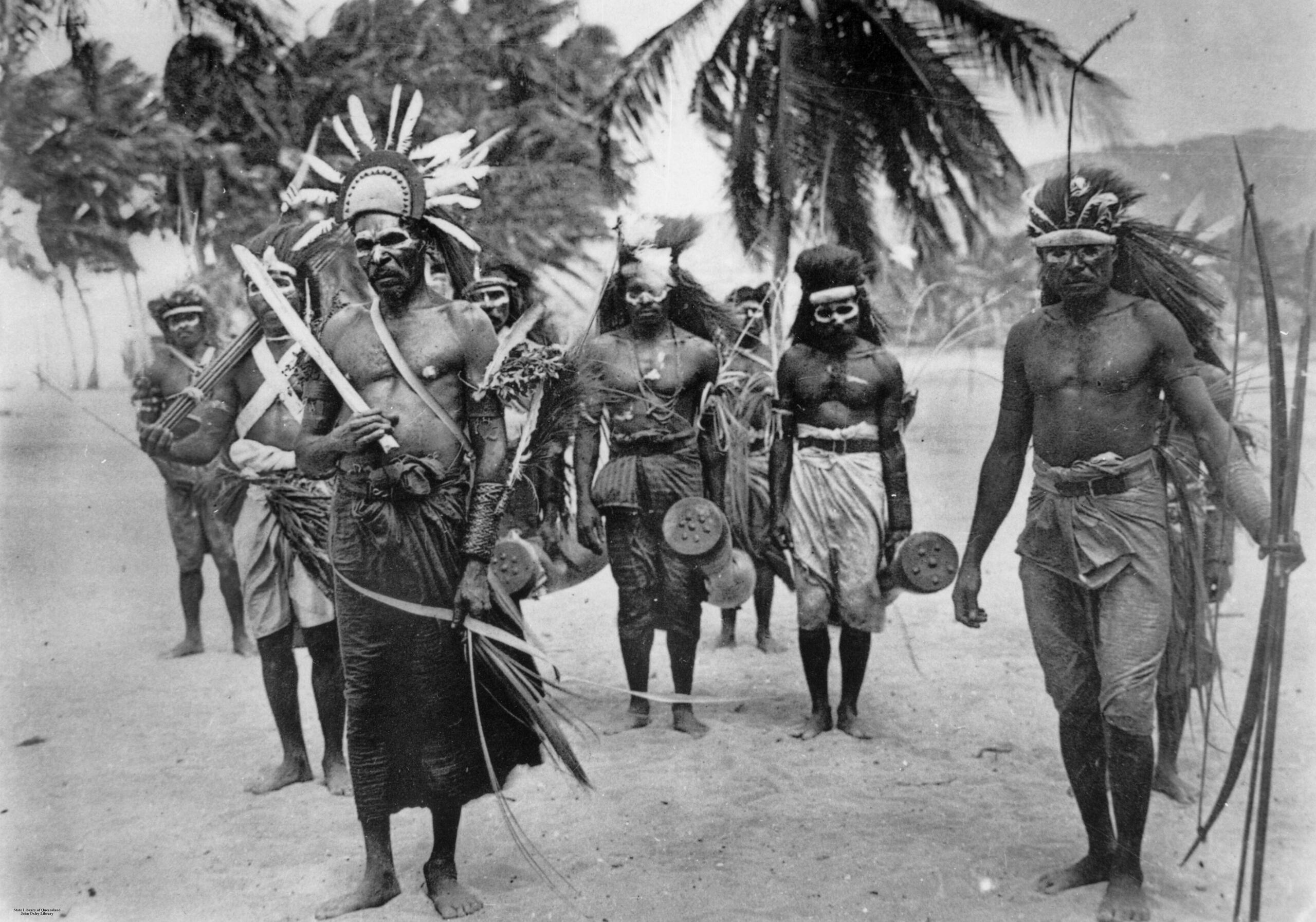
Many groups were “semi-nomadic,” moving with purpose from place to place in line with the seasons. Over time, many groups also began moving less, spending more time living in one area, and developing more agriculture.
Different nations traded valuable resources with one another. Items like shells, ochre, tools, and food were exchanged through trade networks across long distances. In the north, trade with people from Southeast Asia was common.
During these years, art and ceremonial rituals took shape. Rock art, like painting and petroglyphs, body painting, and musical instruments, was honed. Stories of creation and history were crafted and passed on orally over generations.
1606: First European Contact
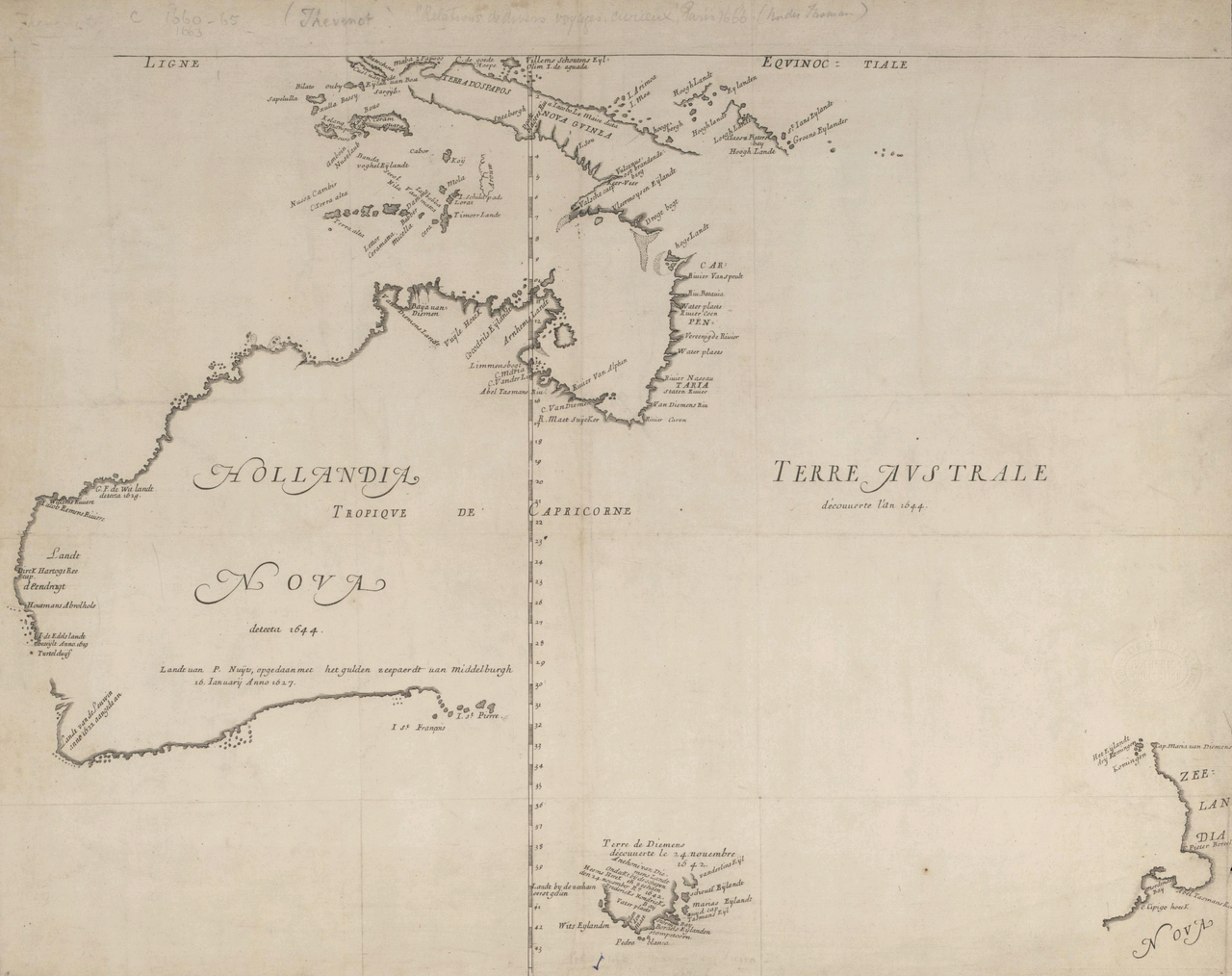
Life in the region was changed forever when Europeans made first contact with the Australian continent. In 1606, Spanish navigator Pedro Fernández de Quirós led an expedition to the land. From there, his chief pilot, Luis Váez de Torres, explored the coast and sailed through the strait that was later named after him.
In the following centuries, Spanish, Portuguese, and Dutch explorers visited various areas along the coast. Some were motivated by exploration and trade, while others were focused on spreading Christianity, though they didn’t convert very many Indigenous people, if any, at that time.
There is little evidence of long-term interaction between Europeans and Indigenous Australians and Torres Strait Islanders at this time.
Trade between sailors from present-day Indonesia and communities along the northern coasts seemed to be frequent.
1770–1901: British Colonisation
The beginning of modern First Nations history commenced when Captain James Cook claimed the eastern Australian coast in the name of Britain in 1770. At the time, he ignored the presence of the First Nations people, declaring the land “unoccupied.”
In 1788, the First Fleet shored in Botany Bay, and the first British settlement began construction. Soon after, the local First Nations people suffered under the beginnings of colonialism.
Land was forcibly taken away, and exotic diseases spread quickly, killing thousands of Indigenous people. Conflicts became common, with many First Nations people being murdered in massacres.
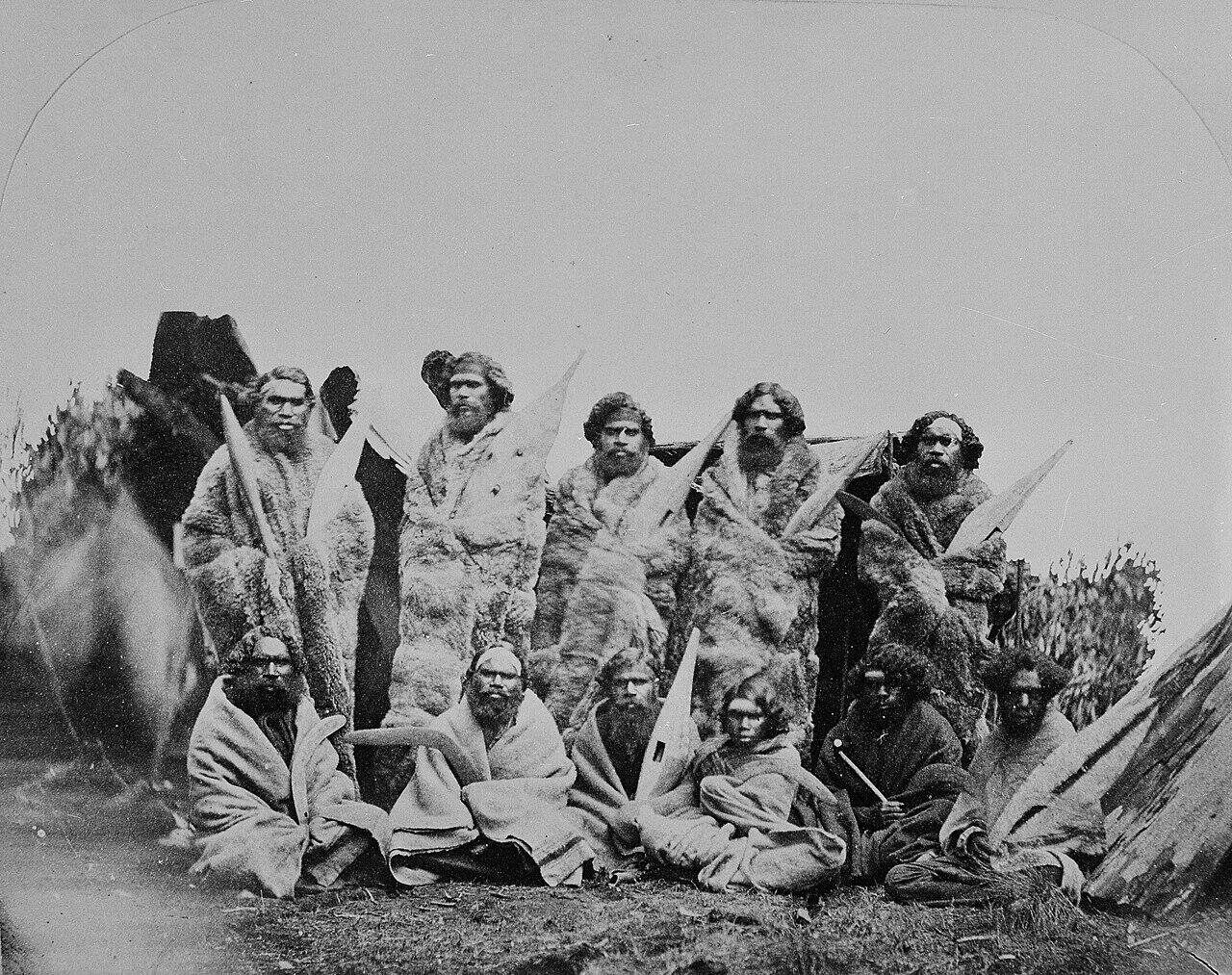
Pemulwuy, a notable Aboriginal leader at the time, famously led a resistance against the British with organised efforts to defend the Land. Unfortunately, the resistance was not successful.
The Stolen Generations began at this time, continuing into the late 20th century. First Nations children were taken from their families according to government policies and forced to ‘assimilate’ into British Australian society.
Indigenous people were initially called 'aborigines', but the term now has a racist connotation. Instead, First Nations, Indigenous Australians, or Aboriginal Australians are usually the preferred terms.
Many Indigenous people were stripped of their culture and families, though many did whatever they could to remember their heritage and help it survive. Traditional tools and ways of living were disrupted or banned entirely; many communities were forced to stop travelling and utilising Land the way they always had.
In 1901, Australia declared itself a federation, but didn’t consider Aboriginal people to be citizens, barring them from many government-granted rights and protections.
Learn about the importance of names in Indigenous Australian culture.
1909–1950s: “Protection” Era
In the early 20th century, the local and federal Australian government created policies described as being for the “protection” of First Nations people. Whether well-meaning or malevolent, the outcome was the same: the laws controlled almost every aspect of Aboriginal life and tried to erase First Nations culture.
Where people with Indigenous ancestry could live, work, and travel was highly restricted, as were their wages and ways to survive. The Stolen Generations continued, with many children removed and sent to church missions, state-run institutions, or white foster families.
Even so, many First Nations people fought for Australia in World War I and World War II despite the treatment they received at home. In many cases, they were not granted the same rewards and rights as other soldiers upon returning.
Despite it all, First Nations people resisted giving in and kept as much knowledge of their history alive by any means possible.
Find out more about Indigenous Australian languages.
Before colonisation in 1788, it's estimated there were 500 to 600 different nations across Country. Today, there are over 250 language groups and an estimated 500 different clans.
1960s–1990s: Progress Made
Beginning in the 1960s, activists and advocates for, and leaders in, the First Nations and Torres Strait Islander communities have led campaigns for rights and recognition of Aboriginal people. The 1967 referendum amended the Australian constitution, adding Aboriginal and Torres Strait Islanders to be included in the national census and removing laws and parts of the constitution that were explicitly anti-First Nations.
From there, land rights movements gained national traction and historic rulings, like the 1992 Mabo case, which recognised Native Title and re-established ownership of the Murray Islands to the Meriam people.
The new doctrine of native title replaced a seventeenth century doctrine of terra nullius on which British claims to possession of Australia were justified on a wrongful legal presumption that Indigenous peoples had no settled law governing occupation and use of lands. In recognising that Indigenous peoples in Australia had prior rights to land, the Court held that these rights, where they exist today, will have the protection of the Australian law until those rights are legally extinguished.
AIATSIS.gov.au
Reconciliation efforts also began to take root during this time. Governments and communities slowly began addressing past injustices. Actual change was slow to come, but it was a start.
2017–Present: Reconciliation, Truth-Telling and Reform
One of the most significant events in Aboriginal history, the Uluru Statement from the Heart was a collaboration written by many First Nations groups. It earnestly requested that all of Australia take reconciliation seriously. It called for a First Nations Voice in Parliament and urged the creation and execution of an agreement-making and truth-telling process.
Our Aboriginal and Torres Strait Islander tribes were the first sovereign Nations of the Australian continent and its adjacent islands, and possessed it under our own laws and customs... In 1967 we were counted, in 2017 we seek to be heard.
UluruStatement.org
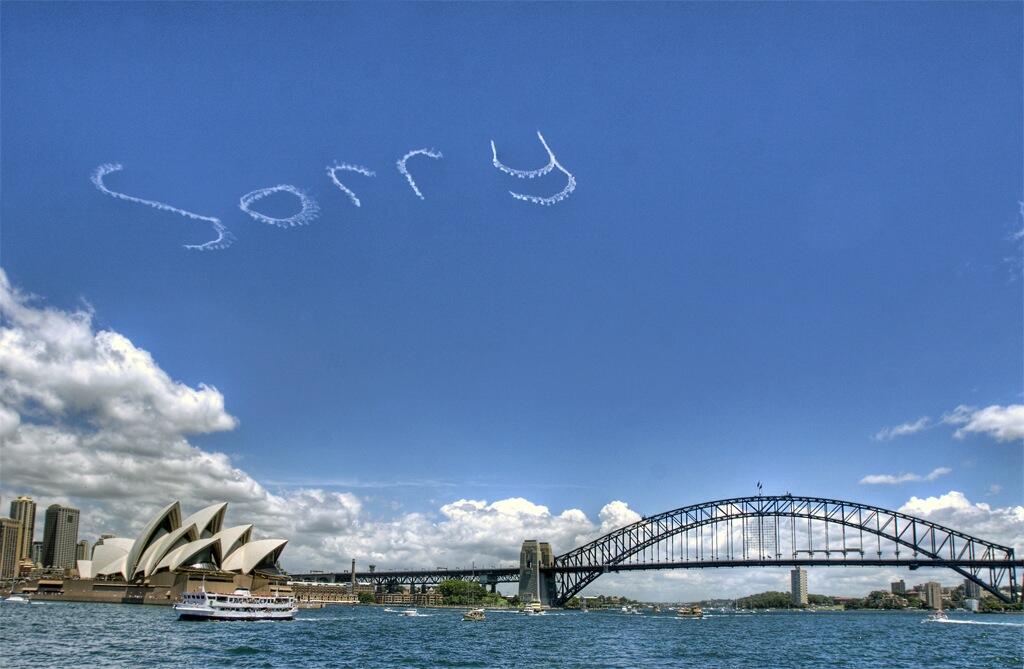
While the process of atoning for the past is not complete, more progress is made each year, with national apologies issued and new laws being ordered in favour of aiding First Nations people.
Today, Aboriginal and Torres Strait Islander people are free to revive their cultural practices, with many advocates across many communities working to reawaken languages and other sleeping knowledge.
Read these books to learn more about Australian Aboriginal history.
Governments and organisations are acknowledging the value os Indigenous knowledge, especially regarding land stewardship. Fire farming is beginning to be accepted as an important and effective land management approach.
References
- “Aboriginal and Torres Strait Islander Timeline.” Centre for Cultural Competence Australia, https://ccca.com.au/Frontend/Content/Ccca/CCCA_Factsheet_Timeline.pdf.
- “Aboriginal Resources: Chronology of Significant Events.” Museums of History NSW, https://mhnsw.au/guides/aboriginal-resources-chronology-significant-events/.
- “Deep Time.” ABC News Story Lab, https://www.abc.net.au/news/deeptime/time/.
- “First European Contact with Australia | History | Research Starters | EBSCO Research.” EBSCO, https://www.ebsco.com.
- “Mungo Lady.” National Museum Austalia, https://www.nma.gov.au/defining-moments/resources/mungo-lady.
- “The Mabo Case.” Australian Institute of Aboriginal and Torres Strait Islander Studies (AIATSIS), https://aiatsis.gov.au/explore/mabo-case.
- “View The Statement.” Uluru Statement from the Heart, https://ulurustatement.org/the-statement/view-the-statement/.
Summarise with AI:
Did you like this article? Leave a rating!

 Loading...