
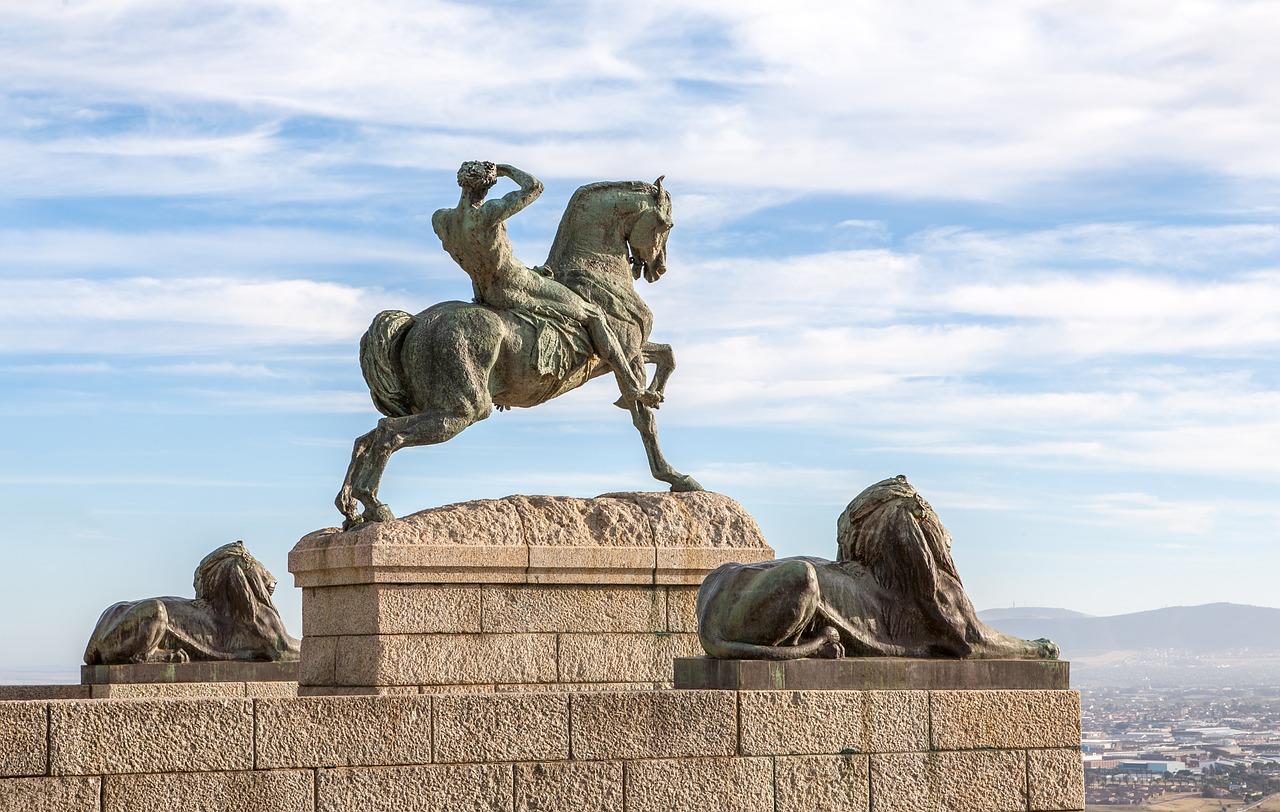

For being the biggest, most enduring, and most renowned empire, it's rather strange that nobody agrees on when it started and ended. The British Empire, along with the Ottoman Empire, the Russian Empire, and the Austro-Hungarian Empire survived into the 20th century. What happened to the British Empire between its early beginnings and final days is the subject of this article.
| 📅 Year | 🌟 Event | 📝 Notes |
|---|---|---|
| Late 16th - early 17th centuries | Britain establishes overseas settlements. | This marks the beginnings of imperial aspirations. |
| 1600 | East India Company chartered | Ships took to the seas to bring back exotic goods. |
| 1607 | Britain founds the Jamestown colony. | Jamestown assures Britain its footprint in the new world. |
| 1763 | Britain signs the Treaty of Paris. | This treaty accords Britain Canada and India. |
| 1858 | Britain establishes the British Raj. | The Raj assumes power after the East India Company dissolves. |
| 1876 | Queen Victoria adopts the title of Empress of India. | This title solidifies the British hold over that territory. |
| 1914 -1918 | The First World War | Fighting alongside the Allied Forces severely depletes British reserves. |
| 1922 | Egypt declares independence from Britain. | Lacking the resources to enforce its rule, Britain surrenders the country. |
| 1939 - 1945 | The Second World War | This war further depletes the empire's resources. |
| 1947 | Partition of India and Pakistan | This is Britain's biggest transfer of sovereignty. |
| 1952 | The Suez crisis | This is widely considered the end of British Empire power. |
| 1997 | Britain surrenders Hong Kong | Britain's final transfer of sovereignty. |


British Empire Timeline: Beginning the Empire
British ancestry is full of conquerors - men who travelled great distances to seize new territories. That impulse never left; England's longstanding ambitions included maritime trade and outposts in other lands.
In 1580, Sir Francis Drake was the first Englishman to circumnavigate the globe.
He didn't do that for fun or sport, of course. Queen Elizabeth I authorised and funded the journey to put a dent in Spain's treasure acquisitions. And, hopefully, to seize some of that treasure for Queen and Country1.
The second reason for this expedition was to find what we call 'areas of opportunity' today. England wanted a quick passage to Asia to secure resources Spain hadn't yet found. Establishing trade routes to Asia would be an economic win for a kingdom perpetually skating on the edges of poverty.
We might call these ambitions the start of imperial Britain, though, as stated above, nobody agrees on when the empire started2. Still, seizing riches and territory formed the bedrock of imperial Britain, even at its height.
As more explorers took to the seas, charter companies began funding the expeditions.
This financing arrangement worked for the empire as well as the companies. It relieved the crown from having to fund voyagers and wait for a return on their investments. In return, the chartered companies got preferential arrangements with the crown to rule and profit from distant outposts. And so, they set forth.
- 1607: the founding of the Jamestown colony in North America
- 1627: English settlements in Barbados
- 1648: the English 'settle' the Bahamas.
- 1655: Jamaica becomes a colony
- 1671: William Stapleton served as first governor of the colonised Leeward Islands.
These early forays into the Caribbean and North America rivalled the Roman Empire's tactic of 'coming, seeing, and conquering'. However, claiming those territories for the crown typically didn't involve much fighting; takeover was their tactic.
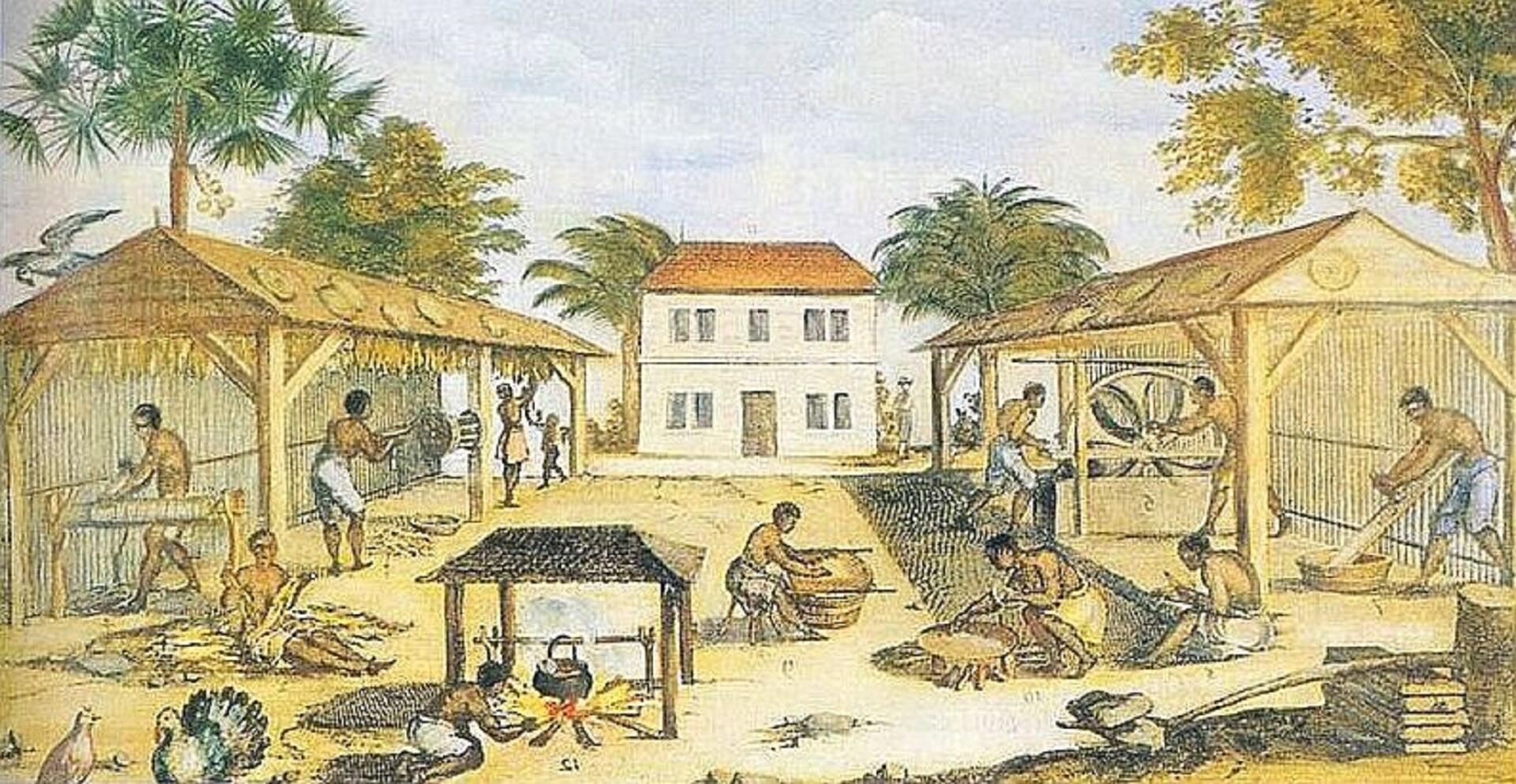
The British Empire's Rise: From the American Revolution to a Global Empire
The empire had extensive plans for its North American territory. Besides exploiting the land's riches, it was a convenient place to store outlaws and undesirables. Its relative closeness made deporting unsavoury persons efficient and, while they were abroad, they could redeem themselves by building the colonies.
Of course, others sought passage on North America-bound ships. People seeking religious freedom, those looking to escape overcrowding, and entrepreneurs looking for opportunities sailed across, too. This combination of personalities and goals eventually led to resistance to distant British rule.
The colonies breaking away from British rule in 1783 forced the crown to turn towards Asia and Pacific lands..
Where the newly-minted Americans fought against British rule, Indian peoples proved to be more manageable. This land not only had the spices - and the tea! - that Britons craved, their vast populations made for an ample workforce. Soon, India became the empire's focal point, and British merchants and entrepreneurs beat a path to its shores to set up shop there.
However, the British Empire cannot claim itself the initiator of international trade. That title goes to the Mongol Empire, which perfected interstate commerce some 600 years before.
How Did the British Govern Its Empire?
As the empire's territories grew in number, England had to find ways to govern them. Unlike the Russian Empire, with its top-down, autocratic governing style, the British empire devised a stratified government system.
Examples: British Solomon Islands, Cook Islands, Cyprus.
Examples: British India, Southern Africa, and the West African coast.
Unless administered by direct rule as crown colonies, each of these governing models relied on local leadership to some extent. In those regions, the British settlers, commercial interests, and/or military oversaw or undertook governance.
British Empire Countries: Why Did the Empire Expand?
The British Empire didn't expand simply because that's what empires do. It had specific reasons for its growth, and that growth was a result of those initiatives, as most of the great empires of the world did.
Economic
In its early days of establishing empire, the British crown was desperate for cash. Perpetually skirting bankruptcy because of its many conflicts, it had to refill state coffers, and fast.
Resources were another reason for expansion. Sugar, tea, spices, and other goods weren't native to British soil; they had to secure a steady supply of commodities for themselves at the lowest possible cost. In return, Britain could sell its manufactured goods abroad, creating yet another revenue stream.
Strategic
For most of recorded history, great powers rivalled one another, which often resulted in wars. Britain, the latest entry onto the 'great powers' stage, intended to secure its position as the ultimate maritime power. In doing so, it could dominate and control key shipping lanes and, thus, global trade.
Ideological
The crown, once secure in its position, felt a moral obligation to teach 'British values', including religion, to people around the world. These 'civilising missions' were essentially influence campaigns, what we call 'soft power' today.
Social
Population growth made the demand for more living space an imperative. Especially after the Industrial Revolution, when people poured into Britain looking for work. Advances in medicine and technology made governing distant territories more manageable.
British Empire Countries and Other Holdings
At its height, the British Empire controlled 25% of the world's landmass; the Roman Empire paled in comparison. This map shows the British Empire's various holdings, grouped in colour to show each territory's governing status. Find the legend below the map.
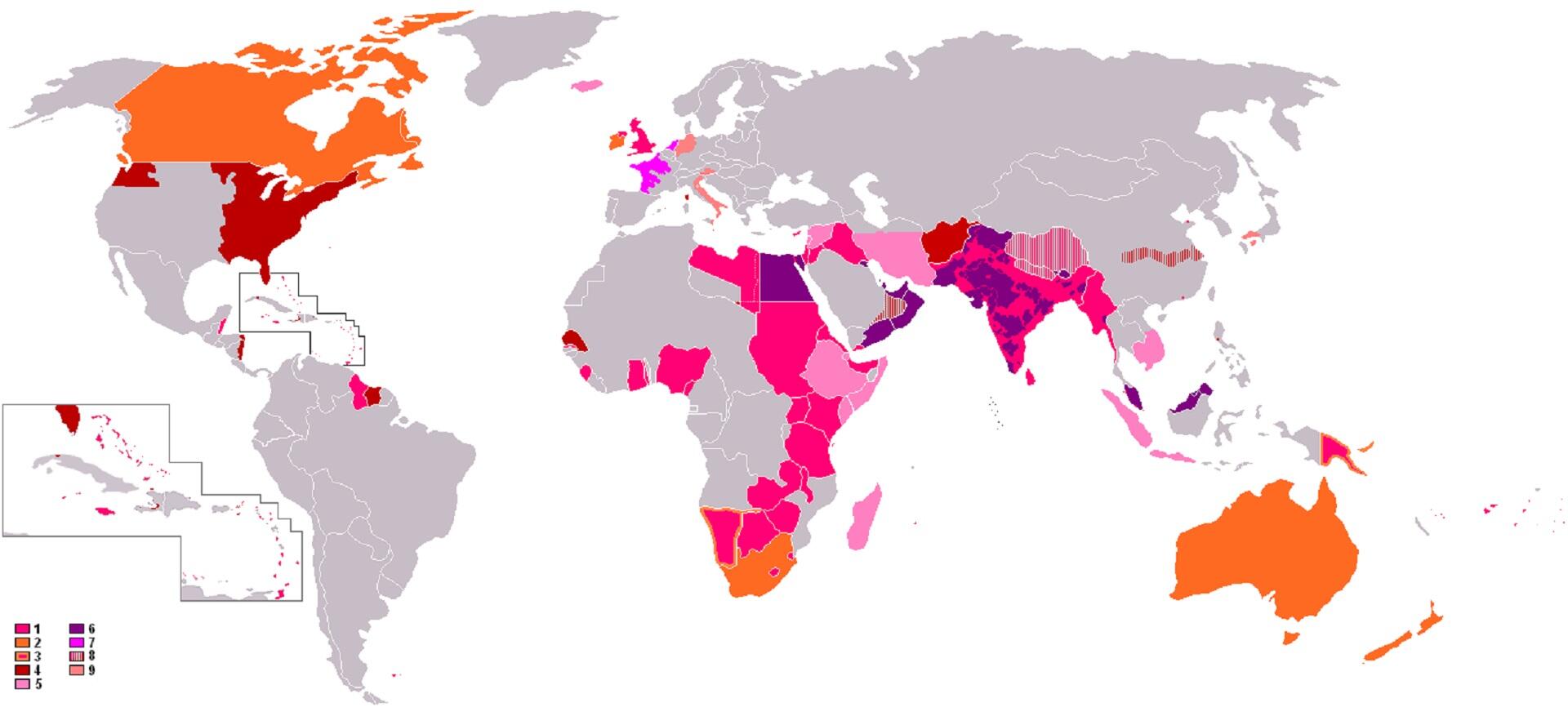
- Pink: colonies
- Pink in orange: colonies inside dominions
- Dark red: territories lost by 1920
- Salmon: former Axis territories Britain occupied from 1943-55
- Orange: Dominions
- Purple: protectorates
- Lavender: areas lost before 1705
- Light pink: areas occupied during the Second World War
- Striped: a crown sphere of influence
British Empire Australia
Long before James Cook landed on Australia's eastern shores in 1770, this land was home to thriving societies with unique, distinct cultures. However, his Botany Bay exploration was well-timed from the empire's perspective.
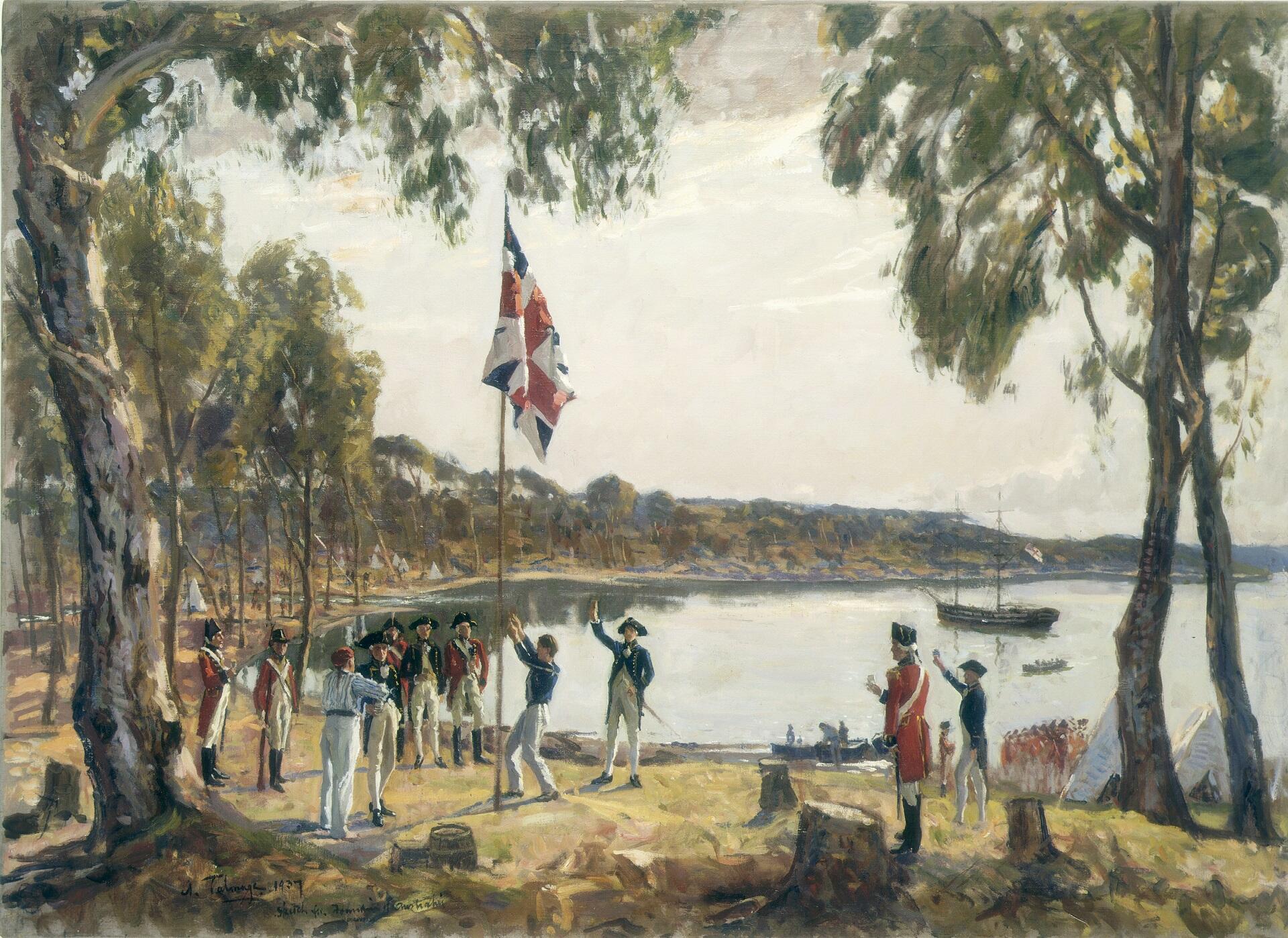
The American Revolution was underway; the crown needed another outpost for its society's undesirables.
In 1788, Captain Arthur Phillip established the Sydney Cove penal colony. More shiploads of convicts built more colonies along Australia's east coast. In doing so, they displaced native populations, often violently. Going further inland, settlers claimed more territory in the crown's name.
Their advances changed Aboriginal life forever. Restricted to poor plots of land, forbidden from practising traditional rites, and losing traditional food and medicine sources, these societies withered. They further suffered from imported diseases that they had no resistance to. From then on and still today, Aboriginal Peoples fight to preserve their culture and way of life.
By 1901, Australia hosted enough British colonies to band together and petition the empire for a change of status. On 1 January 1901, Australia formally gained Federation status, evolving from six separately governed British colonies became a commonwealth. But when did Aboriginal Peoples' status change?
The 1992 ruling from the High Court of Australia made null the the terra nullius doctrine that made colonialism possible. This decision made possible more specific laws regarding Aboriginal rights to their territories, traditional laws, and customs.
The Impact of the British Empire
With no clear start and end dates, it's hard to count the years of British Empire influence and its full effects. However, we can tally the years of the crown's influence on the world to roughly 414 years4. Those four centuries reflect a lot of changes and even more effects. This chart highlights most significant ones.
| 📜 British Empire action | 🌏 Global impacts |
|---|---|
| Extraction of land, labour and natural resources. | Loss of territory and wealth. Established the practice of resource capture. |
| Slavery and coerced labour. | Then: provided an abundant, stable,(coerced), workforce. Today: seen as the most inhumane, despicable practice the crown engaged in. |
| New trade and transport networks. | Helped lay the groundwork for today's international commerce. |
| Changes to government and legal institutions. | Pro: formed the framework for later government structures worldwide. Con: imposed British legal priorities in places unsuited to them. |
| Missionary activity and education. | The loss of native beliefs, ways of life, and centuries-old practices. |
| Cultural and linguistic change. | The loss of native languages and traditions. |
| Displacement, violence and resistance. | Compliance was coerced and enforced, leading to resentment, rebellion, and rejection. |
| Migration within and beyond the Empire. | Facilitated economic exploitation, political control, and cultural spread. Also changed demographic profiles in the migration regions. |
The rise and Fall of the British Empire
Some empires, such as the Qing Dynasty, intended their rise and rule. By contrast, the crown was aiming for economic stability and security, and eventually grew into an empire. The same could be said for its unwinding - again, another takeoff from most empires' ends.
At first, losing colonies and protectorates didn't hurt much. The empire had so much that shedding a few holdings didn't put much of a dent in to. But, as engagements got more costly, losing economic productivity began to bite.
By the First World War's end, the empire's economic conditions were dire.
The Second World War made economic conditions worse.
You might have learnt in your history courses that money wasn't the only reason the empire declined5. Around the world, people began demanding their their lands and sovereignty. Soon, for financial, legal, and humanitarian reasons, Britain had to heed their calls.
In the end, global attitudes towards empire made sustaining one impossible. Competing nations wanted access to global markets and were prepared to fight for it. Humanitarian views made ownership of others, even through colonisation, too unsavoury. For these reasons, the British Empire winked out.
References
- Hind, Golden . “Golden Hind First English Ship to Sail Around the World.” Goldenhind.Co.Uk, 2026, https://goldenhind.co.uk/the-circumnavigation.html. Accessed 26 Aug. 2026.
- Churchill, J. “Article I - Britain Existed Before Empire - Civitas Britannia.” Civitas Britannia, 28 Feb. 2026, https://civitasbritannia.org/history/article-i-britain-existed-before-empire/. Accessed 26 Aug. 2026.
- Drier, Kierston. “Reasons Why the British Were Successful in Expanding Their Empire.” WorldAtlas, 17 Aug. 2020, https://www.worldatlas.com/articles/reasons-why-the-british-were-successful-in-expanding-their-empire.html. Accessed 27 Aug. 2026.
- Britannica. “British Empire | Origins, Countries, History, & Facts.” Encyclopædia Britannica, 20 Sept. 2018, https://www.britannica.com/place/British-Empire. Accessed 27 Aug. 2026.
- Darwin, John. “BBC - History - British History in Depth: Britain, the Commonwealth and the End of Empire.” Bbc.Co.Uk, 2011, https://www.bbc.co.uk/history/british/modern/endofempire_overview_01.shtml. Accessed 27 Aug. 2026.
Summarise with AI:
Did you like this article? Leave a rating!


 Loading...
