
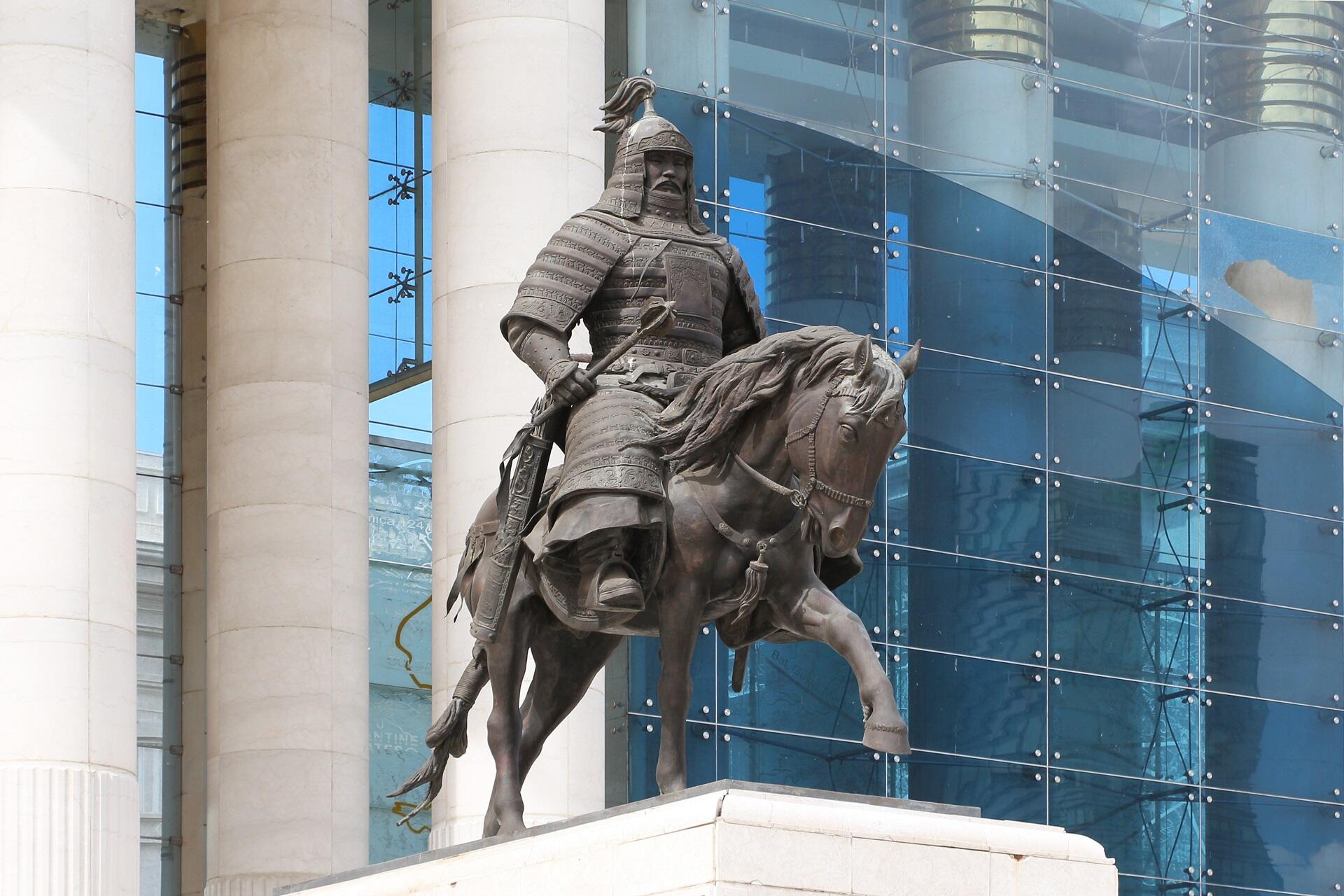

The 'Genghis Khan empire' was relatively short-lived, lasting about 162 years. In that time, the Mongols amassed vast territories, fought innumerable enemies, and cemented their place in history. This article explores how a nomadic people gave rise to one of the world's most brutal warriors, and how he shaped the Mongol Empire timeline.
| 📅 Year | 🌟 Event | 📝 Notes |
|---|---|---|
| 1206 | Temüjin is recognised as Genghis Khan | A shaman proclaimed him "Khan of the Great Mongol Nation". |
| 1209-1219 | Khan's forces fight in northern China and Central Asia. | Uyghurs and Karluks submitted to Mongol rule, surrendering their territory. |
| 1223-1242 | Eastern Europe invasions | Golden Horde rule emerges, taking over the Kievan Rus region. |
| 1227 | Genghis Khan dies. | His cause of death remains unclear. Possible explanations range from the bubonic plague to injuries from falling off his horse. |
| 1229 onwards | Mongol territory expands under Ögedei and later successors. | Genghis Khan's son stretched the empire into eastern Europe, as far as Poland and Hungary. |
| 1258 | Mongol forces capture Baghdad. | A 12-day siege of the city led to its surrender, after which Mongol forces destroyed the city and people. |
| 1259 | Möngke Khan dies. | His death (in battle) led to a crisis of succession, which began the fragmentation of the empire. |
| Starting in the 1260s | The growth of four increasingly independent khanates. | The Yuan dynasty, the Golden Horde, the Chagatai Khanate, and the Ilkhanate each sought to maintain Pax Mongolica while ruling separately. |
| 1271 | Kublai Khan establishes the Yuan dynasty in China. | The Yuan Dynasty came to represent one of four factions of the Mongol Empire. |
| 1279 | China's Song Dynasty is finally conquered. | This victory led to China's shortest-lived, and first foreign-led dynasty, lasting only 97 years. |


Before the Mongol Empire Timeline: Life on the Steppe
Under no circumstances should you imagine that the pastoral, nomadic societies that occupied the Mongolian steppes were harmonious. Clan fighting was a fact of life, and even family infighting often led to bloodshed. Women were routinely kidnapped, a practice that the first Mongol emperor largely put a stop to1.
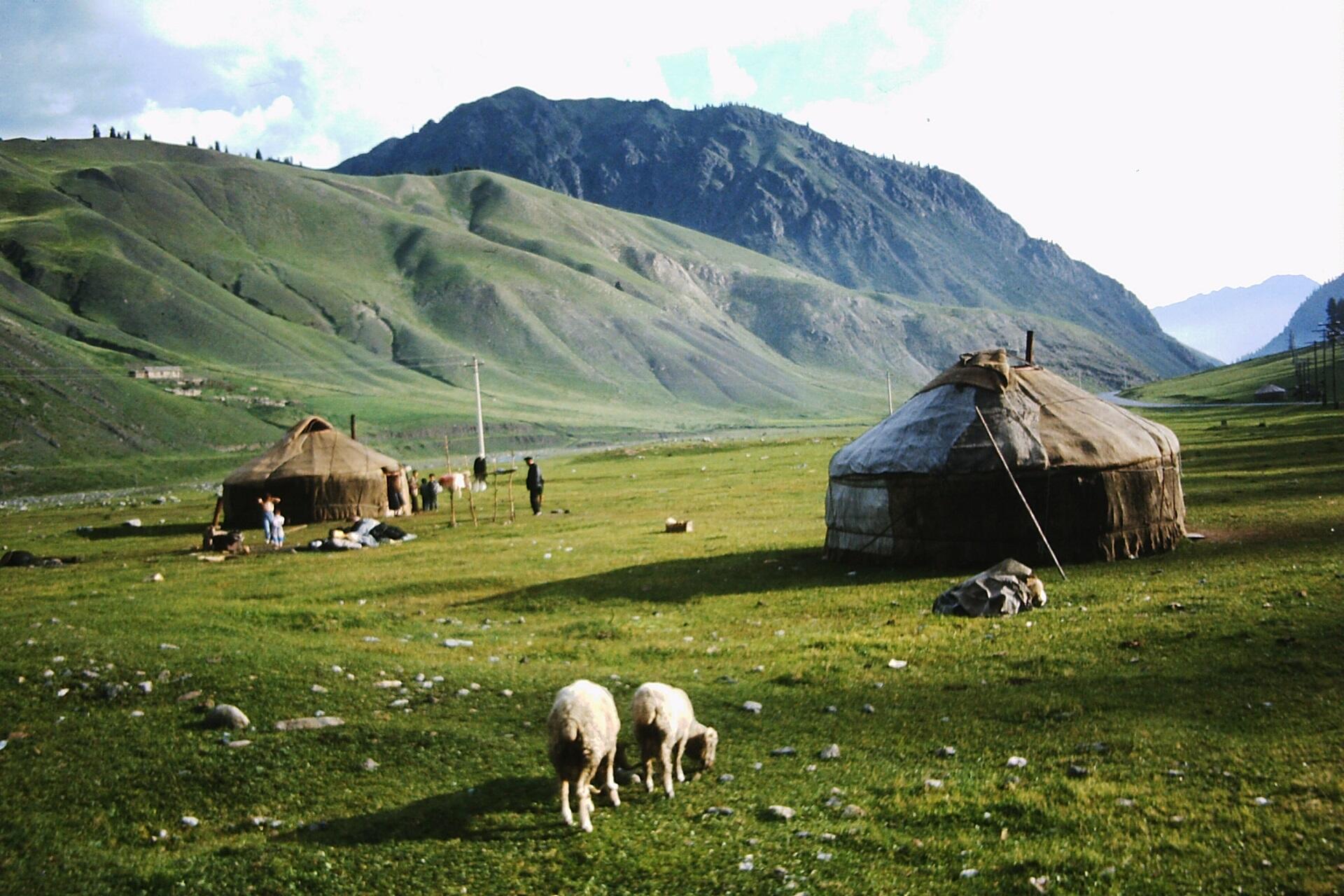
The Mongols were expert craftsmen and horsemen. Their men could fashion wagons, tools, and weapons out of the scarce resources they had. The women reared children, worked the animals, helped build the houses (yurts), and participated in clan decision-making.
Herding was a major aspect of Mongolian life. Clans kept sheep, goats, camels, and yaks. Their nomadic life was due to their livestock; they migrated to keep their herds fed. Their diet consisted mainly of milk and meat.
In many ways, life on the Mongolian steppe wasn't so different than life in the world's great empires. A collection of everyday activities; clan fighting was how they grew their prestige and wealth. It was such conflicts that permitted Temüjin to rise to the status of emperor.
Beginning the Genghis Khan Empire: How Temüjin Rose to Power
Early on, the boy Temüjin showed a remarkable capacity for bloodshed and violence. While still a teenager, he killed his older brother to secure his position as the eventual family leader2. As a young man, he successfully fought the Merkit clan to retrieve his wife, who had been kidnapped.
That triumph brought him short-lived recognition, both for his fighting skills and diplomacy. He had united with his father's ally, Togruhl, and his own best friend, Jamukha, to pull off this raid. The young men fell out shortly afterwards over who should have more power; Temüjin lost and, so, fled to China.
Ten years later, he returned to Mongolia to fight the Tatars (in 1196); this victory restored his good name. Over the next five years, fighting alongside Togruhl, he emerged victorious in one campaign after the other.
Now the only clan leader left standing, he stood before the qurritai, the steppe's military-political assembly. It was then that a shaman proclaimed him "khan of the great Mongol nation". He dubbed himself Genghis Khan and set about building his empire.

The Mongol Empire Map: Expanding its Territory
At its height, the Mongol Empire was the largest land empire in history, dwarfing even the Roman Empire3. These gains went on long after Genghis Khan met his end in 1227.
Expansion Under Ögedei
By the time Genghis Khan died, the Mongol Empire stretched from the Caspian Sea to the Pacific Ocean. But it wasn't done growing yet. Genghis Khan's third son, his nominated successor, grew it still further.
Besides these outright victories, Mongol fighters under Ögedei inched onto the Tibetan plateau, marched into India, and seized control of the Volga Bulgaria and surrounding steppe regions.
Growth Under Möngke
A bit of fighting ensued over lines of succession after Ögedei's death. Möngke, from the Toluid bloodline, emerged the victor in this contest. He undertook several reforms, making the Mongol Empire more inclusive - both religiously and demographically.
That doesn't mean his generals were more gentle in their efforts to gain more territory. Unlike the Qing Dynasty, whose leaders preferred diplomacy as an expansion tool, Möngke's generals had no problems shedding blood to gain lands and riches:
Into Baghdad, throughout Syria, and to the Mediterranean
China's Yunnan region, Tibet, Vietnam, Korea, and the Kashmir region
Möngke's generals also consolidated control over Caucasus populations. Hülegü, Möngke's brother, spearheaded the Western expansion campaigns. Once those regions were stable, they conducted censuses and established systems of taxation to keep the empire funded.
Batu and the Golden Horde
Batu also made his mark in the empire's western expansion, particularly the Volga Bulgaria regions, in Poland, and against the Kievan-Rus. He established the Golden Horde, a self-governing khanate that oversaw Batu's territorial gains and reported directly to him.
Batu himself had to leave the region to cast himself as a candidate to become the next khan. His Golden Horde was an effective mechanism to secure his gains in his absence.
How the Mongol Empire Governed Its Territories
The historical record shows that The British Empire controlled its vast holdings by installing representatives around the world. Mongol leaders had a more efficient system4.
If revenues didn't flow or if the tribute was not large enough, Mongol forces were never far away. Many regions hosted Mongol overseers to supervise financial and administrative affairs. Those overseers learnt from local authorities the politics that worked on local peoples. They steered their administrations along those lines, always ensuring Mongol interests took priority.
Across regions and under successive khans, ruling styles varied. Some preferred a merit-based administrative style while others relied on the fearsome Mongol reputation to maintain control. You might say that Mongol Empire administration was a patchwork of tactics, not a uniform, top-down autocracy, as the Russian Empire was.
Trade Across Mongol Empire History
With its vast lands and ever-present warriors, the movement of goods from one region to another was both easier and more convoluted. Learning from craftsmen and artisans along the way expanded their list of goods to sell. After the Mongols' revival of the Silk Road, trade flowed along those long-established paths.
With all the regions more or less on the same page, 'Mongolian Peace' created an economic zone linking Europe to East Asia.
Mongol-style peace didn't mean that instability, coercion, and war were no longer a thing. Trade and war happened hand-in-hand, even though trade routes were protected. Trade and conquest were how the Mongols kept European-Asian trade connections strong; settlements along the way played a role, too.
Kublai Khan and the Yuan Dynasty
You likely learnt in history class that, at later points in the Mongol Empire timeline, authority was well diversified. But Genghis Khan's descendants still had claims to leadership; Kublai Khan among them5.
Despite decades of incursions into China, Mongol forces failed to unseat the country’s dynastic rulers. Möngke Khan had to settle for a Mongol administration rather than a full takeover. He appointed his younger brother, Kublai Khan, the Viceroy of Northern China starting in 1251.
The Song Dynasty remained in power for another eight years. Its conquest was slow and piecemeal, finally ending in 1279. Kublai Khan stepped into the leadership role, making Mongol rule in China official.
This dynasty was not one of the succession of Chinese dynasties.
It was one branch of many in the wider Mongol Empire.
After Möngke Khan death in 1259, Kublai Khan claimed the ‘Great Khan’ title. A year later, he moved the seat of Mongol power from the steppes into China, the first khan to rule from afar. In 1264, he relocated to Beijing, and in 1271, he proclaimed himself the head of the Yuan Dynasty. He became the first foreigner to rule dynastic China, a position he held until his death in 1294.
The Rise and Fall of the Mongol Empire
As vast as the Mongol Empire map was, it might seem that breakups would be inevitable. Expanse was only one reason for this empire’s end; the greatest cause of its break was human.
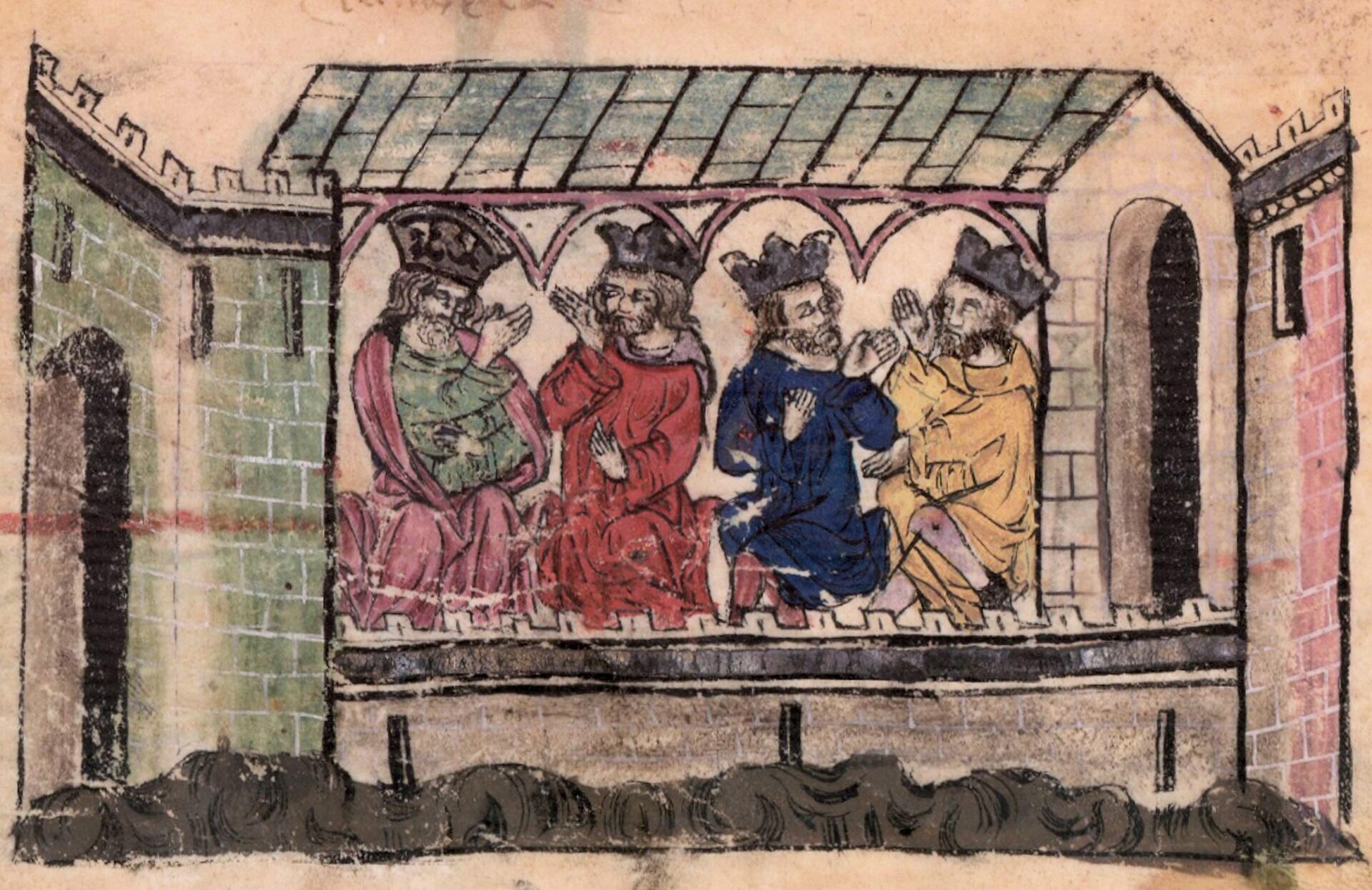
After Möngke Khan died, succession became a matter of dispute. Brothers fought one another for the Great Khan title, and later khans weren’t necessarily from Genghis Khan’s direct bloodline. Among the most dramatic of those confrontations were competing claims on the title from both Kublai Khan and his cousin, Ariq Böke.
Ariq Böke advocated for Mongol leadership to remain local and traditional.
Kublai Khan insisted on integrating elements of Chinese culture.
Traditional factions proclaimed Ariq Böke their Great Khan but Kublai Khan defended his interests vigorously. This contest lasted five years; Ariq Böke finally lost the fight in 1264, formally surrendering before his death in 1266.
Their battle left a power vacuum, so regional leaders began filling it with administrative decisions of their own. Soon, that became the way the empire ran: regional autonomy with perhaps a nod towards Empire. Over time, the empire consisted of four branches.
Mongol Empire History and Legacy
The Mongol Empire’s legacy is neither wholly beneficial, nor wholly destructive. Rather, it was equal measures of both. Mongol leadership exhibited substantial power across its territories.
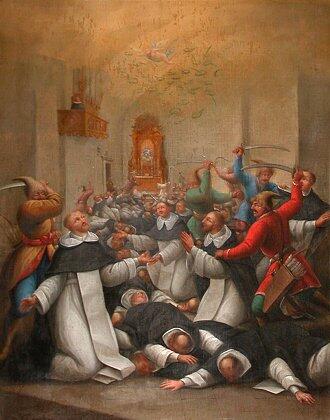
It displayed ruthlessness in unseating existing governments, and didn’t hesitate to resort to violence to maintain its power.
But it had an admirable system of decentralised governance, and it mastered many skills from the people it conquered. It encouraged trade and efficiency while holding tight to the reins of wealth and power.
As the Mongol Empire waned, the Ottoman Empire began its rise. In fact, Mongol Empire conquests in the region caused the Turkic tribes to band together. They filled the eventual power vacuum left by Mongol infighting.
In Europe, Russia, and elsewhere, the Mongols drove trade and cultural exchange. They connected distant China and Persia with European capitals, spreading influence around its vast holdings. For being a relatively short-lived empire, the Mongols accomplished a lot.
References
- Robins, Becki. “What Life Was Like for Women Under Genghis Khan.” Grunge.Com, 20 Sept. 2019, https://www.grunge.com/167042/what-life-was-like-for-women-under-genghis-khan/. Accessed 24 Aug. 2026.
- Whitlow, Simone Toni. “Temujin (an Origin Story).” Tales of History and Imagination, 26 May 2024, https://historyandimagination.com/2024/05/26/temujin-an-origin-story/. Accessed 24 Aug. 2026.
- Brilliant Maps. “The Roman Empire Vs. The Mongol Empire at Their Respective Peaks – Brilliant Maps.” Brilliantmaps.Com, 9 Mar. 2026, https://brilliantmaps.com/roman-vs-mongol-empires/. Accessed 24 Aug. 2026.
- Encyclopedia Britannica. “Mongol Empire | Facts, History, & Map.” Encyclopædia Britannica, 2 Oct. 2018, https://www.britannica.com/place/Mongol-empire. Accessed 25 Aug. 2026.
- National Geographic. “Kublai Khan.” Education.Nationalgeographic.Org, 19 Oct. 2023, https://education.nationalgeographic.org/resource/kublai-khan/. Accessed 25 Aug. 2026.
Summarise with AI:
Did you like this article? Leave a rating!

 Loading...
