

The Black American communities of the early 20th century are responsible for a stunning collection of musical innovations. From the blues style to jazz and even rap today, we must credit Black artists with at least reshaping the definition of music. Boogie-woogie music is a subgenre of blues, born in Texas, meant to evoke the sound and tempo of steam locomotives that crossed those territories.
What is Boogie-Woogie?
- Boogie-woogie is a type of blues music.
- It follows the blues’ standard 12-bar chord progression but modifies it with an ‘eight to the bar’ left-hand work.
- It’s much faster than traditional blues, and typically features the piano.
- Meade ‘Lux’ Lewis and Charles ‘Cow Cow’ Davenport were boogie-woogie pioneers.


Tracing the Boogie-Woogie Origin
By the time boogie-woogie emerged in the 1920s, the blues had become entrenched in Black communities across the United States. Thanks to our abundance of musical instruments and learning outlets, even online piano lessons, we have a much greater access to the piano than those early artists did.
Around the time boogie-woogie music emerged, the piano became more widely available to blues musicians. That was thanks to their installations in juke joints, rent parties, and barrelhouses, places where Black folks went for entertainment. These parallel developments shaped the boogie-woogie origin.
Boogie-Woogie Background
Boogie-woogie forever changed piano playing, as ham-handed black piano players transformed the instrument into a polyrhythmic railroad train.
Alan Lomax, American Ethnomusicologist
1920s Texas was a harsh, desolate place. The major population centres – Dallas, Houston, San Antonio, and Fort Worth, were just beginning to emerge. The oil industry had yet to dominate the landscape; ranching and logging camps were top economic drivers3.
East Texas logging enterprises were in constant need of cheap labour.
People looking for work would hop a train to get to where the pay cheques were.
Getting to those lumber camps was a challenge. Texas was a vast land and a reliable automobile had yet to be built, let alone the infrastructure to permit long car rides. Travel was done on horseback, by wagon or stagecoach, or by train.
Those steaming beasts roared down rails that gridded Texas. The sight of a steam-belching locomotive was awe-inspiring. The clattering sound they made transferred the energy of progress to all who heard it. Black musicians caught that potential and projected it in their music, calling it boogie-woogie.
Still today, the city of Fort Worth runs several special occasion trains, including a 4-6-0 steam locomotive built in 1896.
It was such a train that carried early boogie-woogie musicians to work across Texas.
As noted above, the piano had already added layers of depth to blues music. Using it to mimic the clackety-clack sound of rolling iron and the energy it creates spun the blues into a completely new style of music. In no time at all, it set US music centres – Chicago, California, and all along the East Coast – ablaze.
Key Characteristics of Boogie-Woogie Music
The first thing to know about boogie-woogie is that it’s fast. Clarence ‘Pinetop’ Smith, who recorded the very first boogie-woogie tune (the clip above) was among the fastest piano players of his day. Boogie-woogie is fast, but it’s not necessarily complicated.
Initially, boogie-woogie was strictly a piano style of music, but when does creativity ever stand still? In short order, artists added other instruments’ voices, created trios, and eventually graduated to many other musical styles.
Notable Boogie-Woogie Artists
Recordkeeping wasn’t the best in the 1920s. It’s most likely that some of the earliest and most influential boogie-woogie piano players’ names are lost to history. However, enough of a catalogue remains to detail the top contributors2.
Alabama-born Clarence ‘Pinetop’ Smith was 16 years old when he moved to Pennsylvania, seeking work. He earned his keep as an entertainer and, later, on the vaudeville circuit. He never took piano lessons, he taught himself how to play the piano while still kicking around his home state. He approached music as a blank slate, capable of trying anything to see what would work.
He so impressed the established boogie-woogie pianist, Cow Cow Davenport, that the latter recommended him to a record company. Recolating to Chicago, where the recording studio was, Pinetop Smith made history.
His was the first boogie-woogie record ever pressed, and the first-ever boogie-woogie hit.
It was also the first to feature the words ‘boogie-woogie’ on the label.
Clarence ‘Cow Cow’ Davenport was another early boogie-woogie pianist, and quite famous in his own right. Also a native of Alabama, he too migrated north to find his fortune.
Like Pinetop, he learnt piano fundamentals on his church’s instrument, much to his father’s displeasure. Cow Cow was more of a ragtime piano player but had no trouble at all incorporating ragtime techniques into his boogie-woogie compositions.
In 1938, Cow Cow suffered a stroke that severely impacted his hand control.
As the story has it, he was washing dishes in a restaurant to earn his living. Jazz pianist Art Hodes happened to be dining there, and recognised him. Art asked why he was washing dishes instead of playing the piano. Upon hearing the reason, Art steered Cow Cow’s rehabilitation, returning him to the piano bench (where he rightfully belonged).
Of course, it takes more than two musical geniuses to shape a whole genre – and, by extension, the direction music would take. You might have recognised pop and rock music’s early strains in boogie-woogie tunes you know. Those two artists and the ones here paved the way for those future music styles to emerge.
Boogie Woogie’s Influence of Other Music Styles
While this genre immediately found receptive audiences in Black communities across the US, it didn’t go mainstream until White artists started playing it.
During boogie-woogie’s heyday, music was all over the place. Economic exuberance fuelled the Roaring Twenties, with its flappers and Prohibition lustiness.
Boogie-woogie’s popularity grew in tandem with jazz music, another emerging style. Playing vaudeville circuits and renowned lounges and halls only took this style of music so far, though. New technologies, radio and, later, television, extended music’s reach.
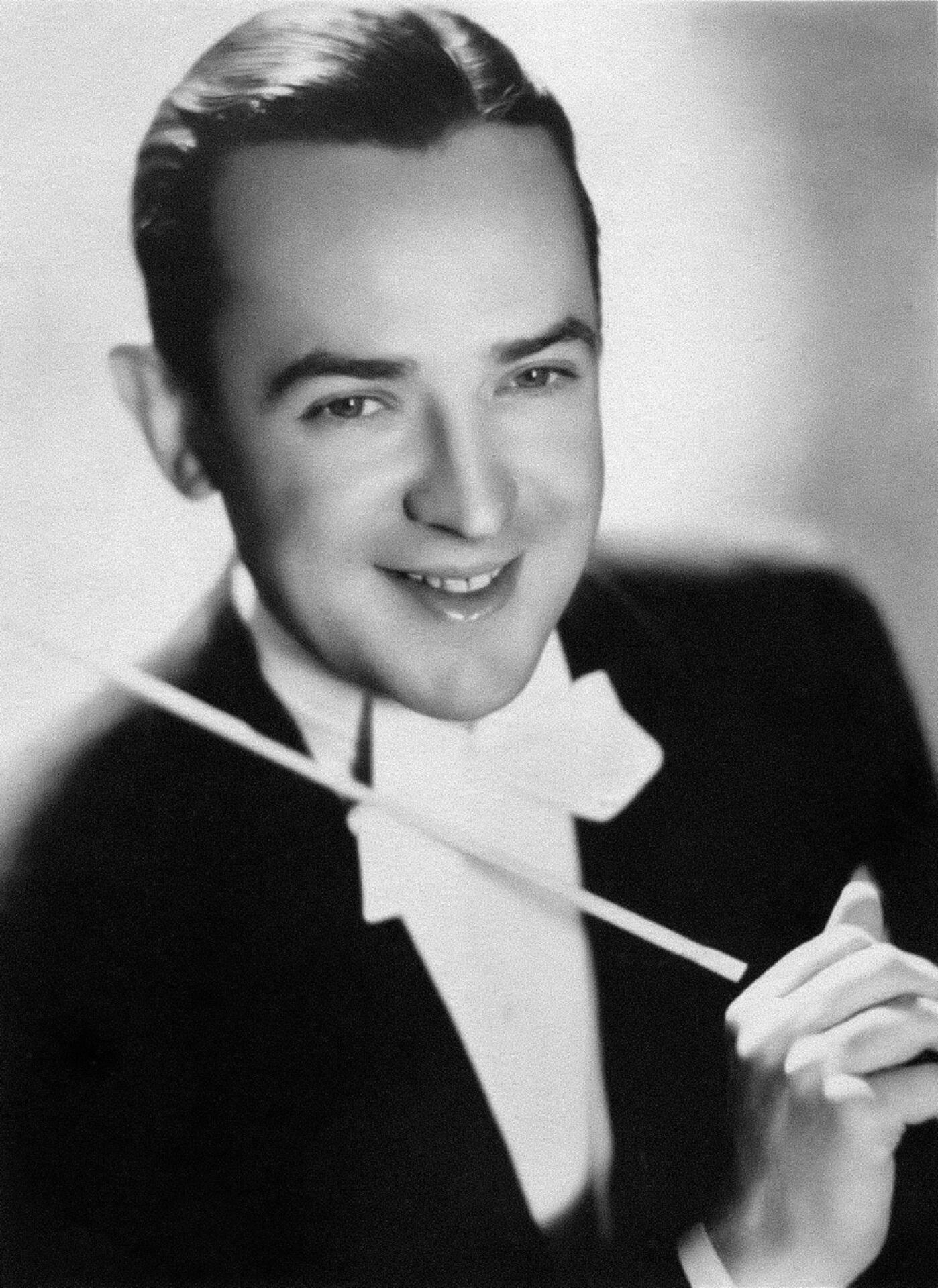
Jimmy Dorsey was one of the first band leaders to incorporate boogie-woogie into his big band arrangements. In fact, he gained more popularity with Pine Top’s Boogie-Woogie than Pinetop himself did. The effect was instantaneous and cataclysmic. So welcome was this new sound that, soon, other top band leaders were embracing the style.
Were Black artists resentful? Probably, at least a bit. But their music got out there, and that was something, at least. It would be just a matter of time until music lovers began clamouring for the original artists’ renditions of the songs they’d already fallen in love with.
Albert Ammons’ Boogie-Woogie Trio finally got its time in a mainstream concert hall. In 1938, they took the stage in Carnegie Hall, treating their audience to all the verve and energy their musical passion and skill gave them. Isolated opportunities like that soon led to a floodgate of high-profile shows and, eventually, dedicated radio and television broadcasts.
The Second World War put a pause on major musical innovations.
In the late 1940s, as American life settled back into its routine, record executives dusted off their catalogues, looking for the sounds that would rouse the nation. Inevitably, they ran across energetic boogie-woogie tracks. Soon, the likes of Elvis Presley and Little Richard were weaving them into their songwriting4.
And so, the era of rock’n’roll was born. But you can go back to boogie-woogie's early days when you take piano lessons with a teacher knowledgeable in the genre. You might model your future as a boogie-woogie pianist on Dr K - Brendan Kavanagh and his friends. They're doing everything possible to keep this piano style playing.
References
- “Boogie-Woogie.” Encyclopedia Britannica, www.britannica.com/art/boogie-woogie. Accessed 25 June 2026.
- “History of Boogie-Woogie.” Timeline of African American Music, timeline.carnegiehall.org/genres/boogie-woogie. Accessed 25 June 2026.
- “Boogie Woogie Piano Players & History" PianoGroove.com, www.pianogroove.com/blues-piano-lessons/boogie-woogie-players-history/. Accessed 25 June 2026.
- “Boogie Woogie: From Barrelhouse to Dancesport.” Www.summerjamboree.com, 1 Mar. 2022, www.summerjamboree.com/en/1940s/boogie-woogie/. Accessed 25 June 2026.
Summarise with AI:
Did you like this article? Leave a rating!

 Loading...