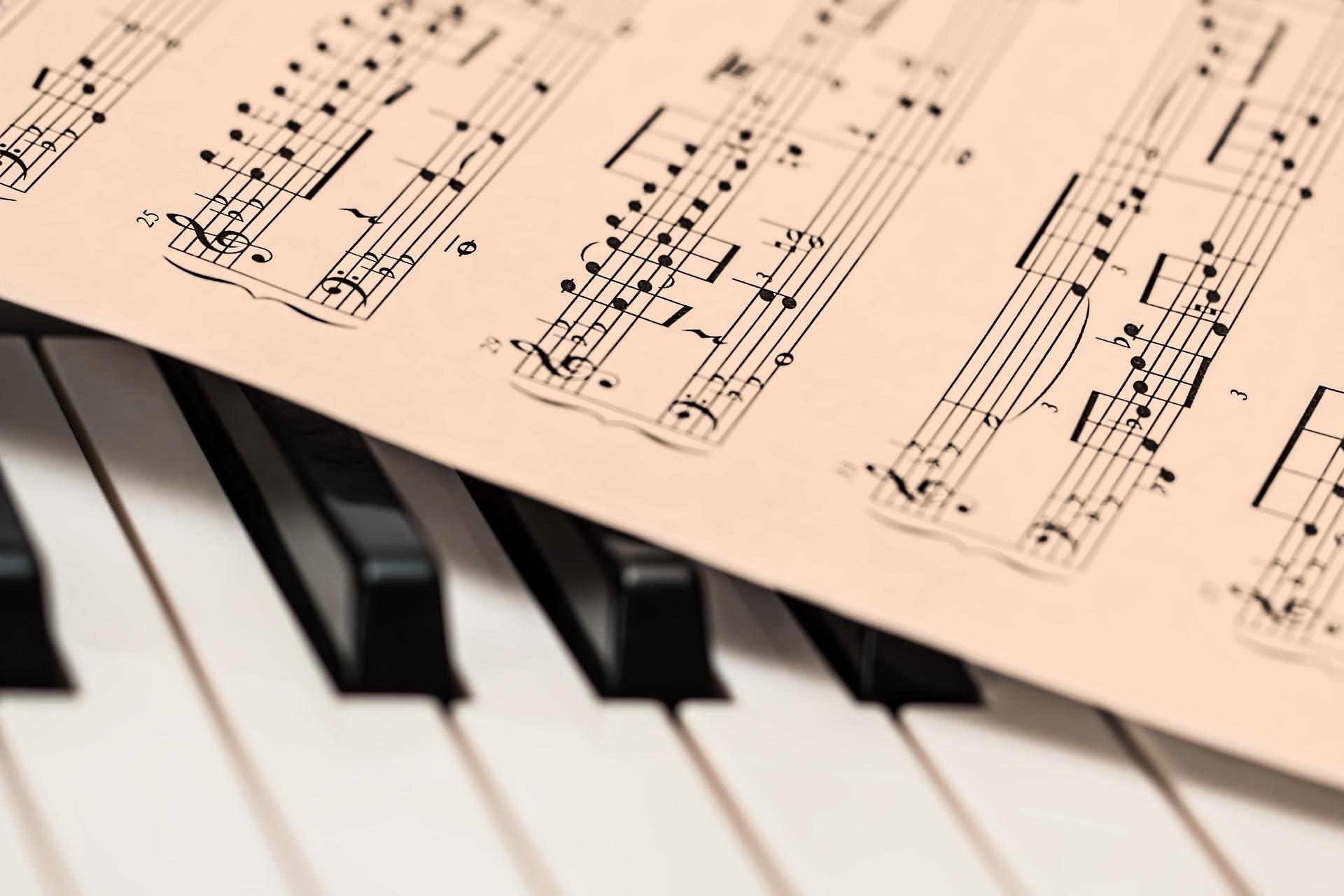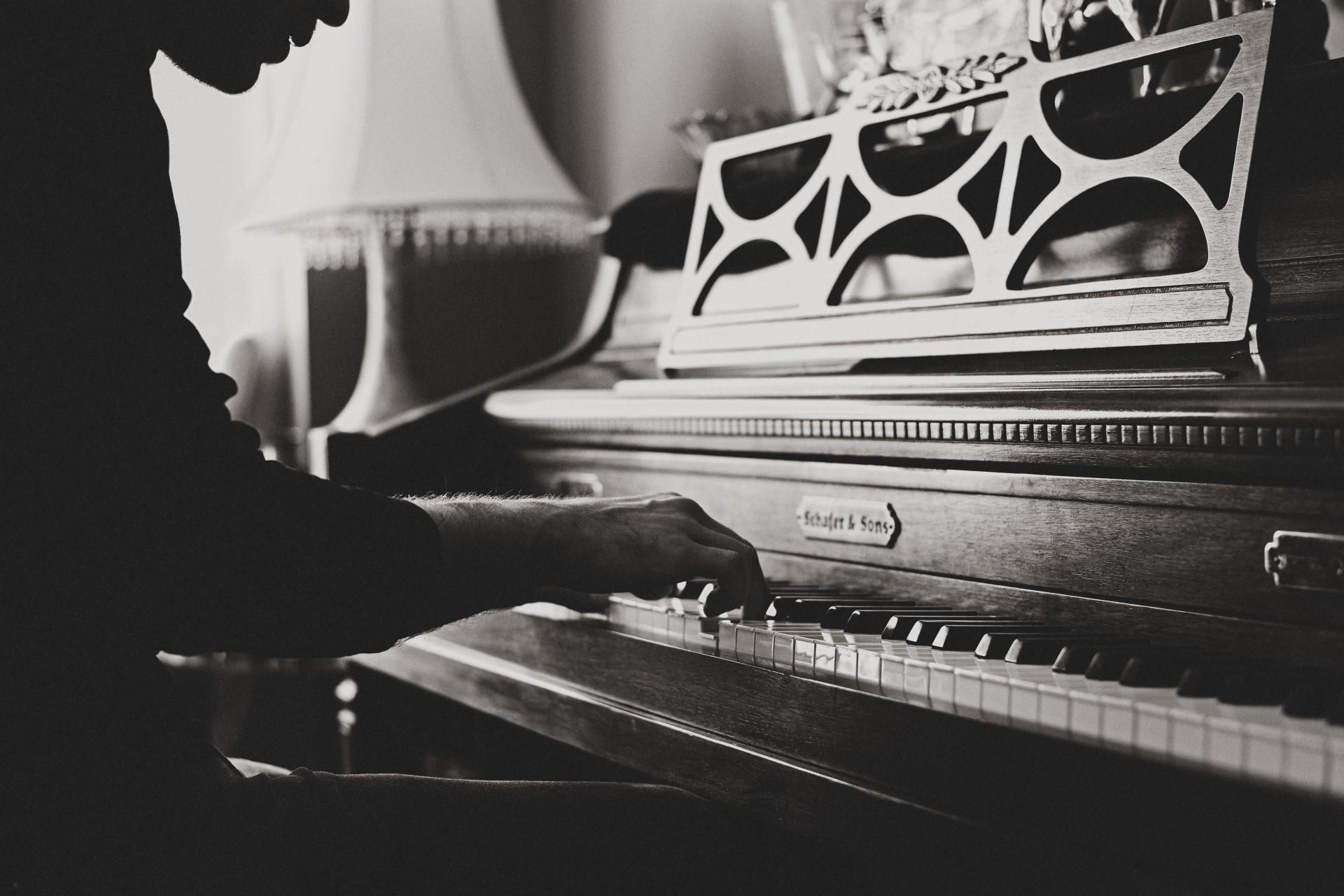

The piano is a universal instrument. We say this because the piano is everywhere, from jazz compositions to rap tracks. Almost all the songs in the global music repertoire – no matter the genre, origins or sound – can be transcribed for the piano. Where is a beginner piano player to start? Consider these types of piano music.
1600-1750
The Baroque era: light, intricate melodies with counterpoint.
Notable artists: Bach, Händel
1750-1820
The Classical era: balanced, clear musical structures.
Notable artists: Mozart, Beethoven
1820-1900
The Romantic era: the time of great compositions and emotional expression.
Notable artists: Chopin, Liszt
~1900s-1920s
The Blues take the lead
Notable blues pianists: George Thomas, Charles "Cow Cow" Davenport
1920s-1950s
The Jazz era spans several movements: ragtime, swing, and bebop.
Notable artists: Jelly Roll Morton, Fats Waller, and many others.
1930s-late1940s
Boogie woogie, a long-established genre, fills dance halls.
Notable artists include: Pete Johnson, Meade "Lux" Lewis
1950s-1970s
Pop music takes over the airwaves.
High-profile piano players include: Elton John, Billy Joel, and many others.
1950s to present
Avant-Garde and Experimental piano music emerges.
Notable composers include Philip Glass, Steve Reich, and John Cage.
1970s-1980s
Rock and pop music compete for air time.
Top rock piano players: Freddy Mercury, Keith Emerson, and many others.
1980s-present
New Age carves out a niche with its Lo-fi and Ambient tones.
Notable piano players: Nils Frahm, Ólafur Arnalds


Classical Music
For most of piano training, lessons were based solely on classical music. Even today, you'll still find 'old-school' piano teachers who insist on this method. They have good reasons for their insistence. The entire classical era spans an explosion of piano experimentation and discovery, broken into three distinct eras1.
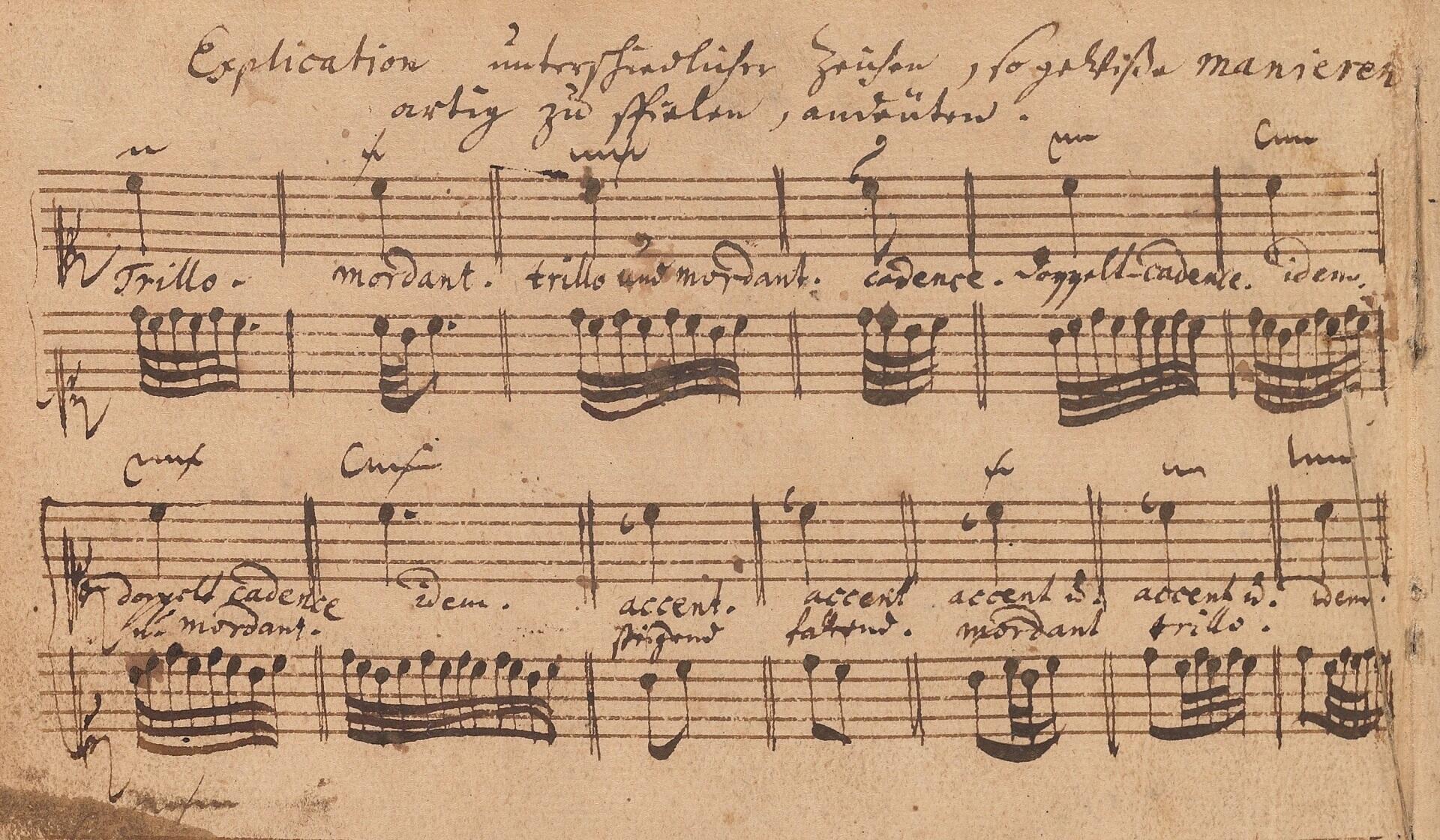
The Baroque Era
Coming out of the Middle Ages, populations in Europe had a craving for beauty and light in all things, including music. Those who had the funds and the time chased creative pursuits, or allowed their progeny to.
By the mid-18th century, the newly-invented piano was enjoying wide distribution. It was a bit hard to play, requiring more than a bit of finger strength and coordination. Still, its sound was light, airy, and engaging. No instruction manuals existed describing how to play it, leaving the field wide open for experimenters.
Johann Sebastien Bach grew up in a musical family. He was a natural to take on the piano and make it his instrument.
The Classical Era
In the early Baroque days, composers and musicians were constrained by the rigid musical sensibilities of the day. But thanks to their rule-breaking, acceptable as it was, cooler, more methodical composers gained more latitude to let their temperaments show.
Beethoven was the perfect pianist for his time. He was a mercurial person whose moodiness carried over into his music. He was a methodical man who believed in structure, which allowed him to use his instrument's full dynamic range. Much to the surprise and delight of musicians and their audiences.
His ill temper kept most patrons away, so he struggled financially and socially, especially later in his life.
The Romantic Era
Beethoven's compositions opened doors for Romantic composers like Liszt and Chopin. They mimicked his grand, sweeping style, carrying their works yet further beyond the structural limits of the day.
Fryderyk Chopin
- devised ways to make his piano sound like other instruments
- he injected nationalism into his compositions
- style, harmony, and form all evolved through his innovations
Franz Liszt
- used extreme techniques to create orchestral texture
- he dabbled in chromatic dissonance and atonality
- he eschewed the multi-movement format in favour of single movement sonatas
- his compositions demanded wide hand stretches to increase expressionism.
Both of these artists and many more of their day drew on mythology, poetry, and impressionist paintings to give their pieces texture. They combined emotional expression with programmatic storytelling to deliver symphonic poems, an innovative piano playing style.
Classical piano is THE piano style par excellence, according to many a piano tutor in Australia and around the world. It’s obviously the “noble art” of piano playing, and an almost obligatory passage for all pianists.
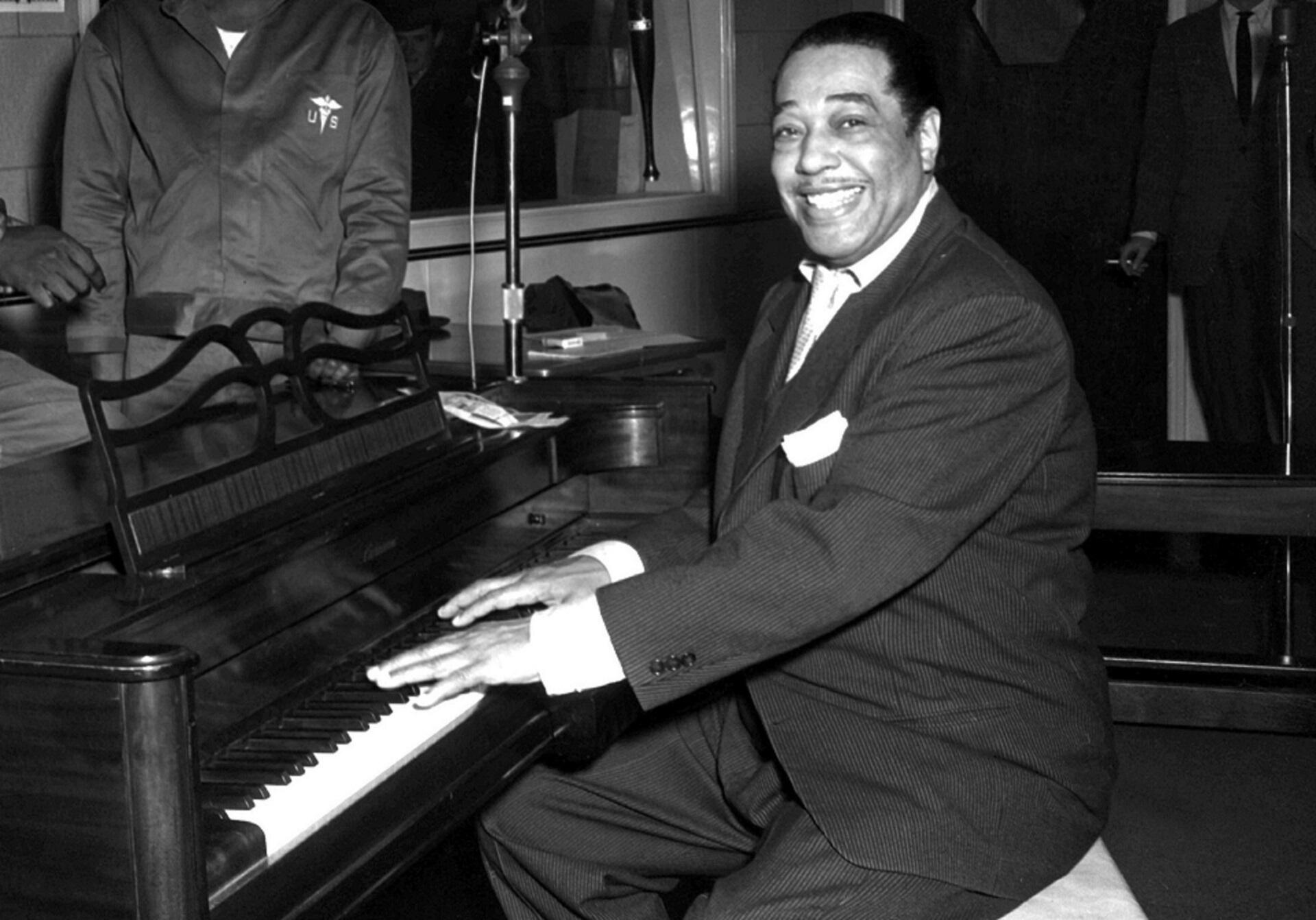
Blues Piano
The advantage to playing variety music is that it is easily adaptable to the piano, as well as most pianists’ levels. Learning blues piano in these musical types also allows the student to diversify his or her piano playing skills.
Piano and Traditional Blues
The blues genre emerged in the 1860s in the American deep south. It was the music of newly freed slaves who applied their 'call and response' style of singing in plantation fields to express their newfound 'liberty'. In this purest of blues styles, the piano didn't figure; it came rather late to blues expression.
Pianos are large, heavy instruments that need a permanent place. Juke joints, establishments where Black populations gathered to socialise and enjoy music, were integral to the piano's introduction to the blues.
Once juke joints made pianos accessible to blues musicians, they wasted no time incorporating that instrument into their laments. Hersal Thomas and his elder brother, George, were pioneers of the piano blues. They were among the first to record 12-bar blues with bass lines, a style of playing that influenced boogie-woogie music.
Boogie Woogie Piano
Boogie woogie takes the blues format to a frenetic, far more danceable speed. It too emerged after the American Civil War, albeit slightly later than the blues (1860s vs. 1870s). As with the blues, boogie woogie didn't get its piano treatment until pianos became more widely accessible.
The Andrews Sisters became the voice of mainstream boogie woogie during the 1940s.
This piano style keeps the blues' 12-bar blues progression, but the left hand plays a repetitive bass known as 'eight in the bar'. This playing style requires a firm grasp of rolling bass lines, as well as tremolos, single-note lines, and cluster chords. Have a listen at one of boogie woogie's most popular tunes that touts its 'eight to the bar' bona fides.
Jazz Piano Music
Jazz piano calls forth interesting harmonies aren't found anywhere in classical compositions. It gives the musician room for improvisation and it can be performed alone, with a band or an orchestra. This is a style of piano playing that all the best piano teachers in Melbourne teach, and everywhere else, too.
Of course, jazz piano can be challenging due to its high technicality. If you watch jazz movies or listen to professional musicians, you'll probably be impressed by their speed and think you'll never be able to reach that level.
Ragtime
Ragtime is an early jazz genre in which the piano is key. Its main feature is its ragged rhythm, which gives the genre its name. It was especially popular at the end of the 19th and the beginning of the 20th century.
Ragtime compositions typically revolve around a few distinct themes arranged in a pattern and played over and over. They are fun, bouncy pieces composed for and performed on the piano. You can speed them up or slow them down, as needed, so they're a great selection for anyone taking piano lessons to practise with.
Though ragtime doesn't get much airplay any more, you likely know at least one piece. Scott Joplin's Maple Leaf Rag has become the soundtrack for everything from adverts to cartoons.
Swing and Bebop
The jazz music category comprises roughly 40 genres. Ragtime was an early form of jazz; swing and bebop came along a bit later.
Swing
- was the backbone of the big band era
- most popular in the 1920s-30s
- grand compositions, typically a repeating melody punctuated with solos
- piano didn't have a major role
Bebop
- favoured smaller ensembles
- was faster and more complex
- gave individual musicians room to improvise
- drummers became more important
Both of these jazz styles grew out of the ragtime genre, which itself evolved into the stride piano style. All those flourishes big band pianists executed while playing weren't just for show. They were about working their left hand widely enough to recreate the orchestra sound.
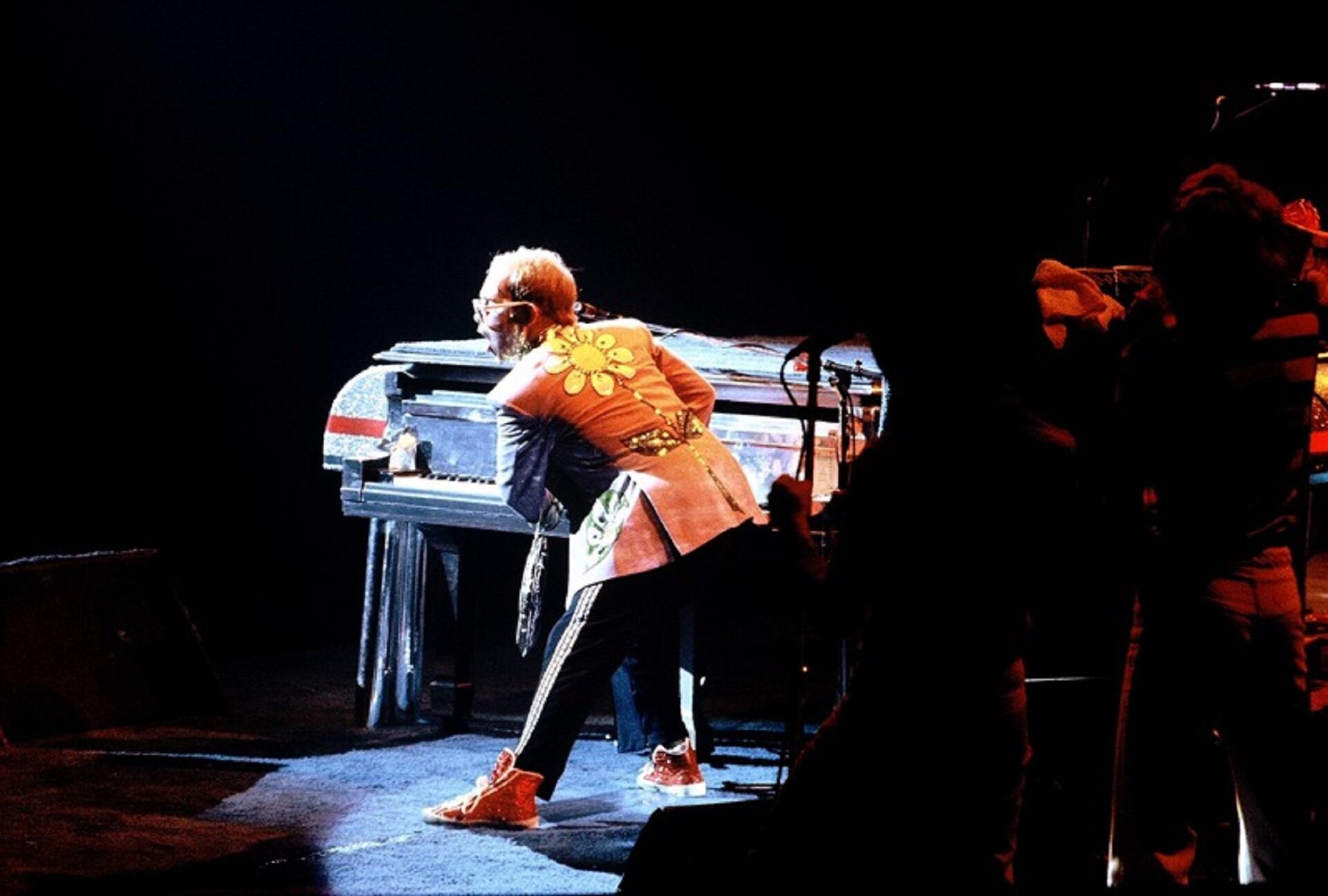
Pop and Contemporary Music
Today, so much music comes at us, especially as downloading platforms have practically replaced record shops. Digital music creation and distribution offers a range of choices for the pianist. And the piano lies at the foundation pop-rock music.
Popular and Rock Music
For myself as well as for many others no one has been there more for inspiration than Elton John.
Axl Rose, Guns N' Roses frontman
Elton John has enjoyed a 60+-year career as a rock pianist. His playing style grew out of the outrageous 'Jerry Lee Lewis method', the wilder and more energetic, the better. He credits Little Richard, Buddy Holly, and Elvis Presley as influences, as well as the aforementioned Jerry Lee Lewis.
All the early rock-n-roll pianists built on jazz piano techniques and their possibilities.
Just as popular music pioneers stood on the shoulders of jazz giants, many rock music pianists climbed on Elton John's shoulders to reach their heights of fame3. That long list includes, among others:
- Bruce Hornsby
- PJ Morton
- Regina Spektor
- Jean-Yves Thibaudet
- Brandi Carlile
- Lady Gaga
- George Michael
- Ben Folds
- Rufus Wainwright
- Miley Cyrus
- Axl Rose
- James Hetfield
Lo-Fi and Ambient Music
Where pop and rock are peppy and dance-inducing, ambient piano music beckons one to their most comfortable chair to indulge in quiet reflection. This music style typically features a nature soundtrack in the background, either digitally created or recorded naturally. Crashing ocean waves, wind, and rainfall all qualify.
Lo-fi pianists may play electronic keyboards in their piano setting or alter the sound slightly, the better to mesh with the ambient sounds. Ólafur Arnalds is a master of this composition style. This Icelandic musician makes nature his orchestra; his piano playing is just the accompaniment.
Electronic music composers such as genre pioneers Kraftwerk and Jean-Michel Jarre don't qualify as lo-fi/ambient. As innovative and dynamic as their style of music is, its trademark is anything but the piano sound..
Rap and R&B: Taboo for the Piano?
Most people cannot imagine that these styles of music fit on a piano - or, better said, that the piano has any place in these genres. That view rather discredits those artists. Most rappers and Rhythm & Blues (R&B) singers are well grounded in music and music culture. They often share and use the same references to create their own original sounds as musicians of other backgrounds.
Jazz is the common root of rap and R&B, and improvisation is a key ingredient of jazz music. If you are a fan of musical improvisation, finding ways to adapt the piano to rap stylings is the challenge for you. Perhaps piano lessons online is the way for you to get started.
References
- Spardha Learnings. “Musical Eras and the Evolution of Piano Music through the Centuries.” Spardhaschoolofmusic.com, Spardha School of Music, 25 Sept. 2024, www.spardhaschoolofmusic.com/blog/musical-eras-and-the-evolution-of-piano-music-through-the-centuries#be. Accessed 22 June 2026.
- “Early Blues Pianists - PianoGuideLessons.com.” Pianoguidelessons.com, 3 July 2023, pianoguidelessons.com/early-blues-pianists/. Accessed 23 June 2026.
- May 31, Jordan Hoffman, and 2019 at 08:40 AM EDT. “Six Pianists on How Elton John’s Playing Influenced Them.” EW.com, 31 May 2019, ew.com/music/2019/05/31/ben-folds-rufus-wainwright-elton-john-influence/. Accessed 23 June 2026.
Summarise with AI:
Did you like this article? Leave a rating!

 Loading...