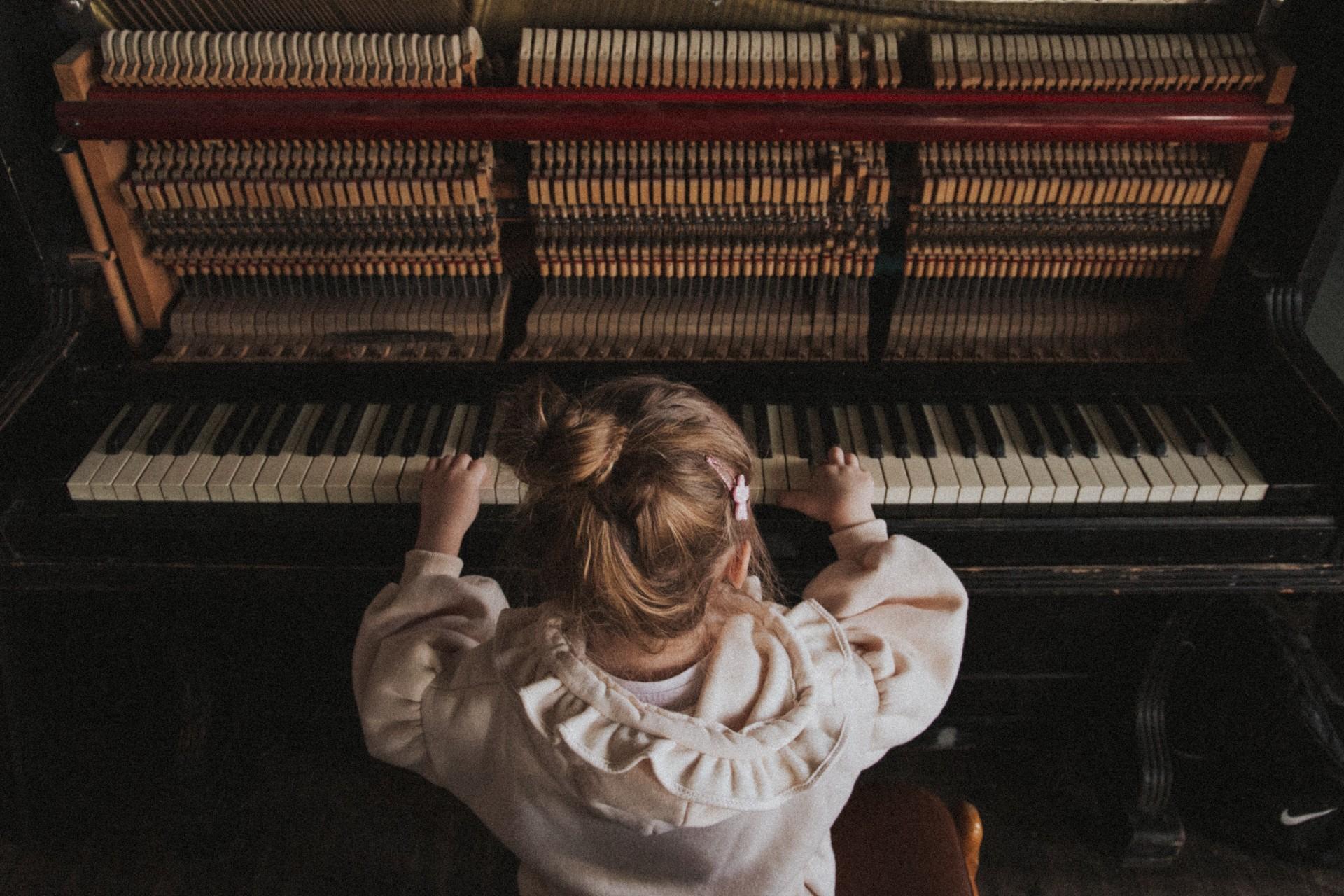

Let's say you're taking piano lessons Brisbane. You'll be well beyond basic fingering and scales, and you're searching for your signature style. Jazz piano music comes in many flavours, and has been a staple of jazz and blues music since those genres debuted in the early 1900s.
Jazz Piano Key Facts
- Over its 100 years, jazz piano has grown to more than 40 sub-genres.
- They are broadly grouped into Early, Modern, and Jazz-related styles.
- All jazz piano styles leave plenty of room for improvisation.
- Jazz pianists typically play harmony and melody at the same time, making this style both dynamic and versatile.


What Is Jazz Piano?
Jazz is a fairly modern music style that got its start around the 1920s, in the American deep south. Black musicians in New Orleans fused elements of blues music with ragtime tempos and vaudeville singing styles. They then added a touch of dance fever and a hint of African rhythmic melody, and called the whole thing Jass.
'Jazz' Word History
They called it 'J-A-Z-Z'. It was spelled 'J-A-S-S'. That was dirty, and if you knew what it was, you wouldn't say it in front of ladies.
Eubie Blake, jazz pianist, in a National Public Radio interview
The etymology - the origins and evolutions of the word 'jazz' ranks as one of the most studied in American English. It first appeared in print in 1912, in a sports article. In the context of music, a newspaper first dared to print it in 1916, in New Orleans.
In the American south and, especially, across Black American communities, this word always had naughty implications. When jazz music made its New York City debut, the word had to be cleaned up a bit to separate it from its carnal overtones, according to jazz pioneer Eubie Blake.
In 1999, the American Dialect Society selected 'jazz' as their word of the 20th century1.
How Jazz Piano Changed Over the Years
From its early days of exuberant banging on the keys willy-nilly, jazz piano grew into a smooth, rhythmic exercise of musical production. It wasn't exactly a tortuous trail, it was one pioneering jazz musicians blazed eagerly.
1890s-1920s
Syncopated right-hand melodies with left-hand harmonies defined ragtime music.
The change: this style grew into stride piano: a broad, swinging left-hand pattern that mimics the orchestra sound.
1930s-40s
Swing music influences jazz pianists towards a more minimalist, improvisational style.
Complex harmonies and rhythmic disruptions characterise this era.
1950s-60s
This cool jazz era gives listeners classical-influenced, lyrical phrasing.
Jazz trios brought back the blues-style conversation-style format. This is the beginning of the modern jazz era.
1970s-present
Jazz fusion introduces electronic keyboards and synthesisers to expand the jazz sound.
This makes possible the blending of jazz with rock, punk, funk, and soul music.
Whether you're taking online piano lessons or lessons at conservatory, you can explore each of these jazz piano styles. It's not like they go out of date, after all. But first, you must master all the jazz piano basics. Thelonious' Round Midnight is a great piece for beginners to help them develop those skills.
Three Eras of Jazz Piano Style
Far easier than defining eras of pop and rock music, jazz style places itself neatly into three distinct periods.
Early Jazz
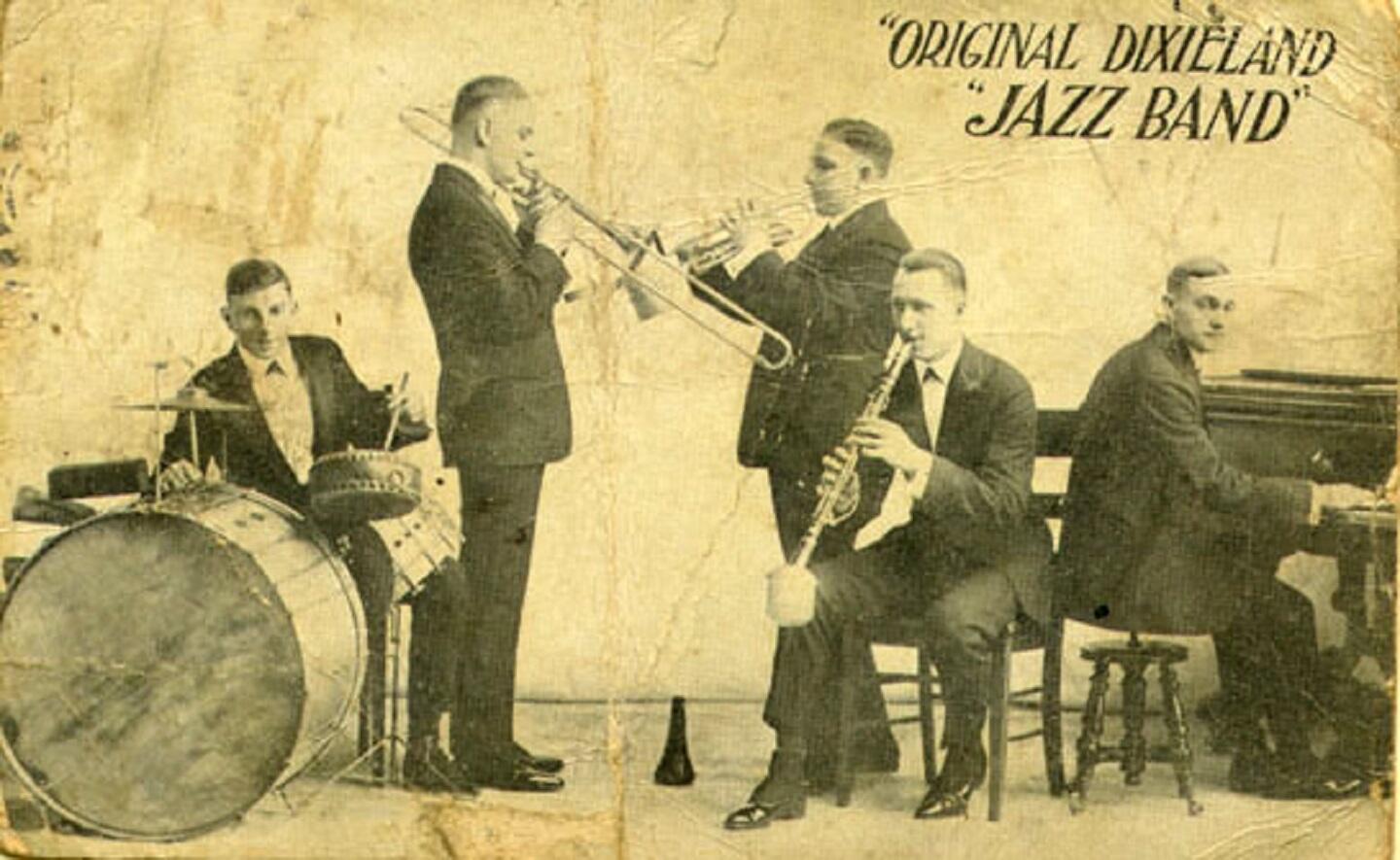
In the early jazz years, music was going in all directions at once. It was lively yet mellow, mournful but hopeful, and more than just a bit bawdy. In New Orleans, Black musicians played a brand of music called Dixieland, which fused gospel, ragtime, and brass instruments. As blues music swept the southern US, elements of that style found its place in jazz music, as well.
Hokum was all about double entendre and sexual innuendo. Both male and female vocalists indulged in hokum.
The saucy hokum blues style had a special impact on early Dixieland jazz, as Eubie Blake confessed. But even without lyrics, early jazz music is meant to be loud so it would mask 'bedroom sounds', another reason for its naughty reputation.
In essence, early jazz amounted to players of brass and wind instruments improvising strings of notes around a central melody. It sounded cacophonous, even discordant, but that was by design. It didn't take long for percussion and string instruments to join in. Thus, the distinctive jazz pattern of improvisation was born.
The jazz combo plays a repetitive melody while each musician solos in turn.
The Swing and Bebop Era
The early jazz era didn't last very long, around 20 years from its formal establishment as a genre until it grew into another, yet livelier style.
Women were freer, industry was booming, and nothing but possibilities filled the horizons.
Women had just gained voting rights and found their (limited) places in the workforce. Black Americans, still mostly segregated, at least, in the south, had established their social and cultural norms. The economy was roaring and all anyone wanted to do was dance - the wilder, the better.
Swing music defines those years. It folded all the elements of Dixieland jazz, the brass, the drums, and the strings, wrote scores of music, and gave them to band leaders to orchestrate2. Names like Duke Ellington and Benny Goodman were huge draws, packing dance houses night after night.
In the 1920s, record player sales boomed, allowing people to collect their favourite bands' albums.
Record players, and later, jukeboxes, extended swing and jazz music's reach yet further. This provoked another evolution in jazz music: bebop. Younger jazz musicians broke away from orchestra-style jazz arrangements to provide dancers with yet faster tempos to stomp to. These characteristics distinguished bebop jazz bands.
Bud Powell and Thelonious Monk (piano), Max Roach (drums), Miles Davis and Dizzy Guillespie (trumpet), and Charlie Parker (alto sax) defined the bebop genre. Their work helped shape all subsequent jazz styles3.
Modern Jazz
[it's] the most recognizable sax riff in pop music history.
Billboard Magazine, 2014
Jerry Rafferty's 1978 smash hit, Baker Street, made history for a number of reasons. It was a personal triumph for him and the recipient of global acclaim for being the "Best song lyrically and musically". Obviously, it is an energetic pop tune but that famous sax riff gives it its jazz bona fides.
Glen Frey, from The Eagles, chose jazz's more romantic, sultry tones for his 1982 The One You Love. Notably, jazz saxophone legends Ernie Watts and Jim Horn lent their talents to the track, giving it its smoky jazz overtones.
This list could go on forever. Steely Dan is unapologetically jazzy (Deacon Blues) while Barry Manilow hearkens more towards smoky bar room piano jazz (2 AM Paradise Café). Jazz stylings have fused with punk (The Lounge Lizards), country (Charlie Haden, Bill Frisell), and rap (Digable Planets, Nujabes).
Jazz has moved far away from its boogie woogie roots but it hasn't abandoned them altogether. Some jazz piano styles are undeniably peppy and effusive, but one cannot always be upbeat, and neither can music. This philosophy lies at the heart of jazz piano expression.
Jazz Piano Music
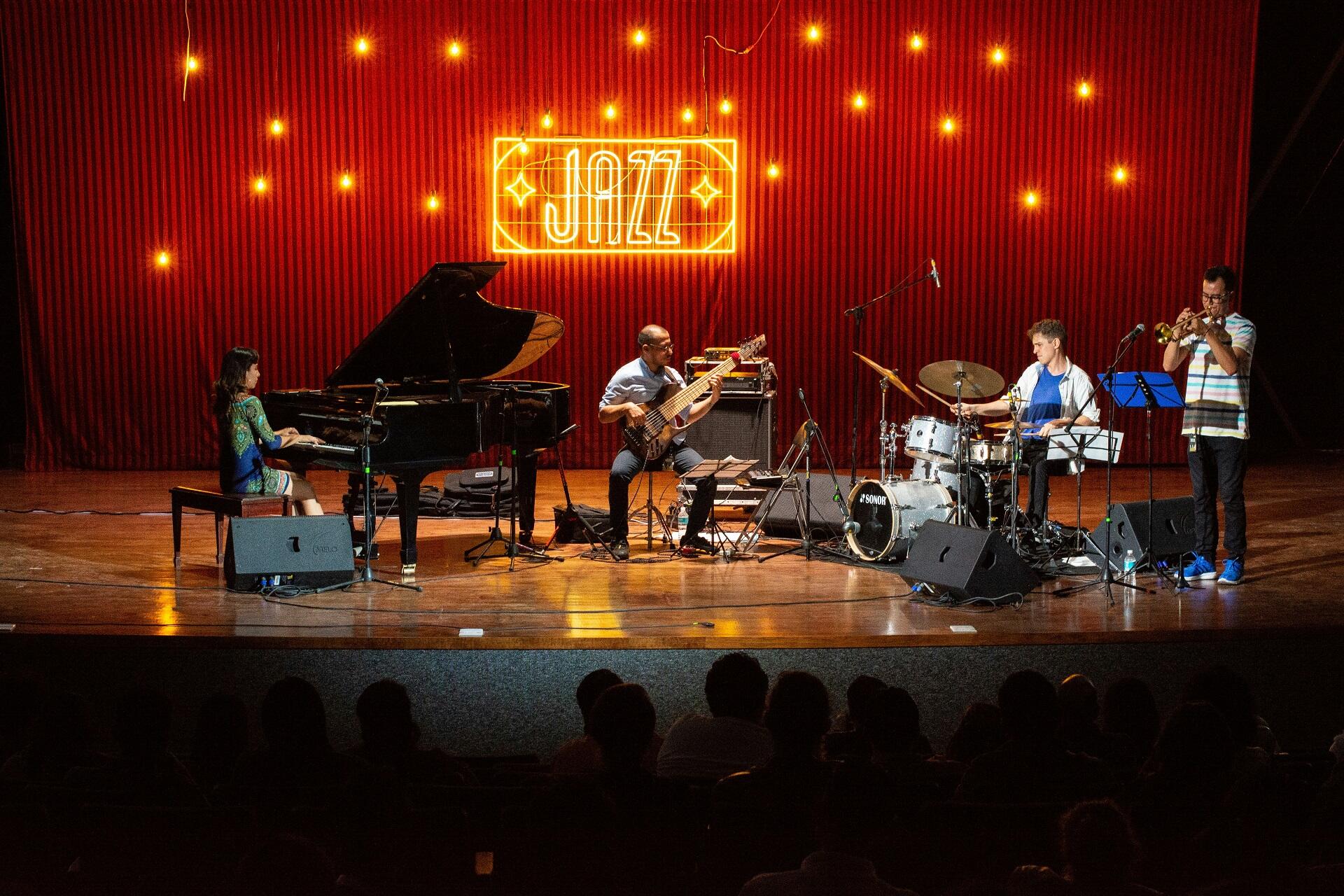
On its own, Jazz piano music - the notes on sheet music, have little significance. You might have figured that out for yourself if you're learning how to play the piano. Being technically proficient, meaning that you're able to read and play music, is only half of being a jazz pianist.
How you interpret those notes makes all the difference. If you are gifted with a sense of music, you'll likely have no trouble in this department. But don't beat yourself up if that skill escapes you, especially at the start.
Throughout jazz piano history, artists have listened to other players' interpretations and built their own styles on them. Still today, though so many styles of jazz piano exist, you still have room to make your mark. So, study these legends and start dreaming about where you'll go from there.
Jazz Pianists to Inspire You
If you live in Victoria and are taking piano lessons Melbourne, you'll likely talk about defining your playing style with your teacher. When you do, be sure to mention all the jazz pianists you wish to study, including those from this list. Your teacher should then guide your playing in that direction.
References
- “1999 Words of the Year, Word of the 1990s, Word of the 20th Century, Word of the Millennium - AmericanDialectSociety.”americandialect.org/1999_words_of_the_year_word_of_the_1990s_word_of_the_20th_century/. Accessed 22 June 2026.
- Wyeth, Leonard. “Big Bands and the Swing Era | Acoustic Music.” Acousticmusic.org, 2019, acousticmusic.org/research/history/musical-styles-and-venues-in-america/big-bands-and-the-swing-era/. Accessed 22 June 2026.
- Spirrett, Dan. “Bebop Jazz: The Birth of Modern Jazz.” Presto Music, 2 Sept. 2025, www.prestomusic.com/jazz/articles/6709--jazz-genre-guides-bebop-jazz-the-birth-of-modern-jazz. Accessed 22 June 2026.
- National Endowment for the Arts. “Miles Davis.” Www.arts.gov, www.arts.gov/honors/jazz/miles-davis. Accessed 22 June 2026.
Summarise with AI:
Did you like this article? Leave a rating!

 Loading...