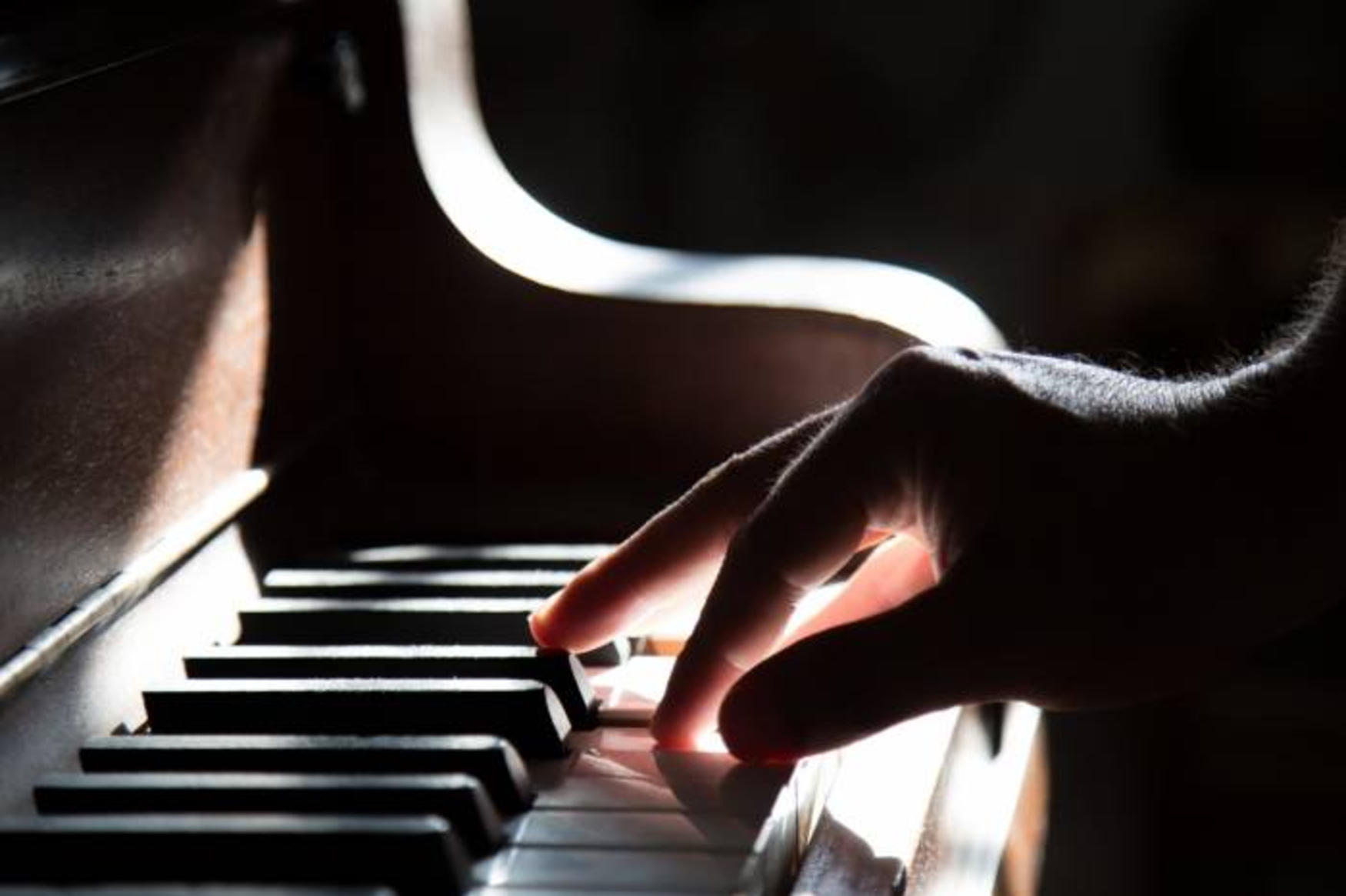

Nearly all different types of piano music springs from artistic longing - or, perhaps better said, the longing for artistic expression. However, few styles of music grow from torture and desperation, and the longing to be free. And even fewer result from the cadence of work and the need to communicate clandestinely1. But that's precisely the genesis of blues music, and my! How it's changed over time!
Blues Music: From its Origins to Today
- Blues emerged in post-Civil War US, in the 1860s.
- It's call-and-response style traces back to the Sahel region in Africa.
- In short order, blues music became the soundtrack at juke joints where freed slaves went for entertainment.
- Piano accompaniment developed around the 1900s, mostly because juke joints had pianos.


The Origins of Blues Music and How it Evolved
You likely don't need a step-by-step retracing of how and why people from the Sahel region of Africa got to the United States (and other places far from their home). However, This odious 'industry' and those people's journeys matter to the blues music story.
The Historical Record
Long before any people of African origin set foot on north American soil, they were engaging in 'field call' and answering calls to prayer. The populations that ended up far from their homelands were overwhelmingly Muslim. Their stringed instruments and melismatic, solo-style of singing that marks their religion would shape the blues sound.
Most songs require syllabic singing: one syllable per note.
Melismatic singing involves carrying the same syllable across several notes2.
Alternately, it's called 'vocal runs', 'coloratura', or 'roulades',
Fast forward to the late 1860s, just after the American Civil War. Imported people had been 'field calling' across plantations for nearly a century, a practice from their homelands. Now released from their forced labour status, this form of communication/spiritual relief not only endured, but it found new forms of expression.
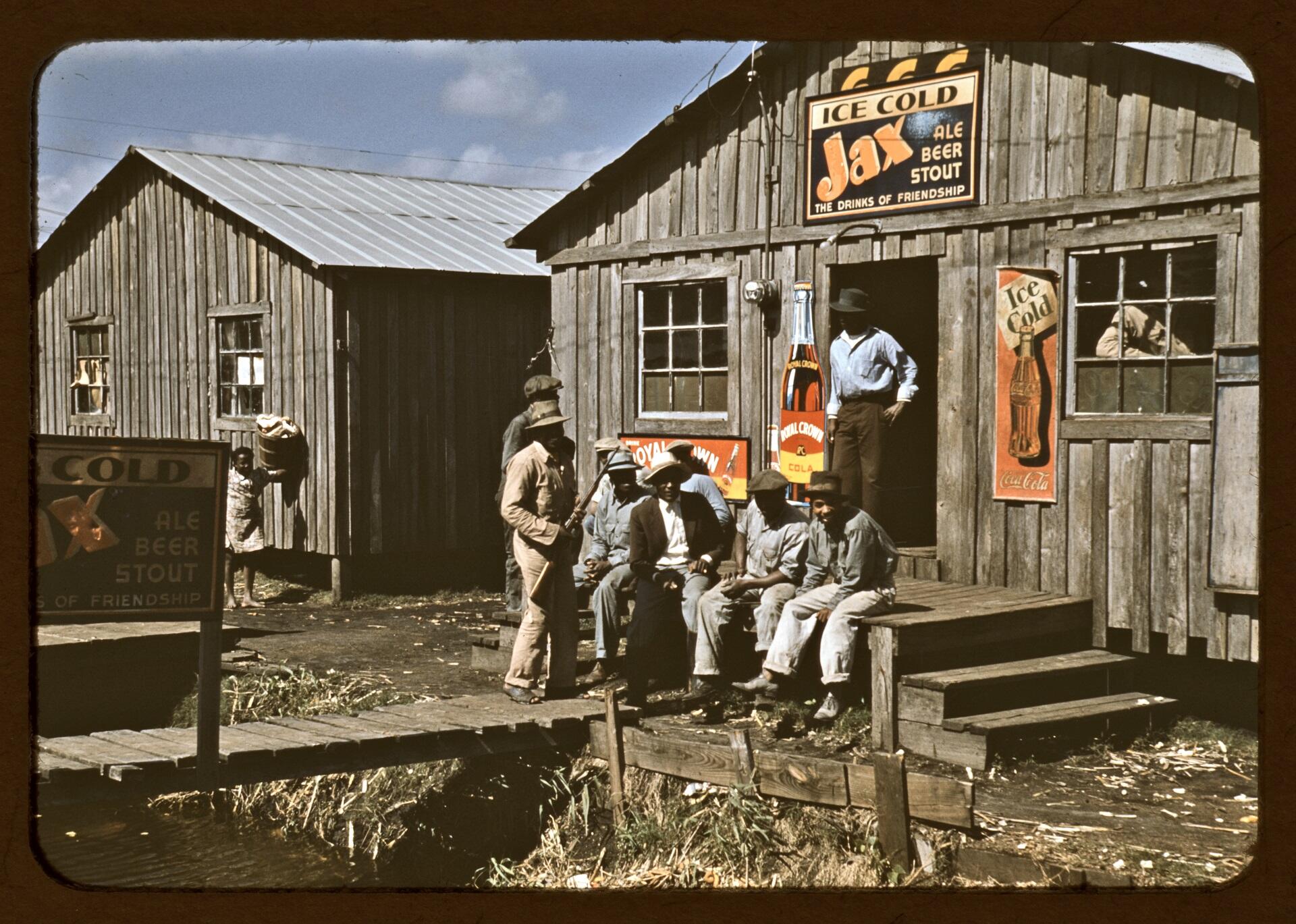
Denied access to mainstream entertainment venues, these populations drifted towards establishments on the outskirts of towns. These 'juke joints' became places for them to drink, dance, and socialise.
Those 'joints' may have had a ramshackle piano that aspiring musicians could bang on while they sang. If you were to take piano lessons Brisbane, you might learn some of the early blues piano tunes that rocked those gathering halls3.
What Characterises Blues Music
Social gatherings in liquor establishments might not sound like the environment for systematic musical expression. But these vocal artists brought with them their stringed instruments, their heritage 'call-and-response' melodies and melismatic singing style. All they needed to do was expand on it.
Blues Piano: Its Role in Blues Music
Those early juke joints were any structure from tar-paper shacks quickly erected at crossroads between towns to the front room in somebody's house. To make those establishments more enticing, the owners might install a piano.
What to Know About Blues Piano
Notably, the earliest blues recording credited to a Black artist (above) does not feature a piano, but it's easy to hear where a piano would fit in. That doesn't mean blues music never featured a piano. In fact, the blues style of piano playing was well-defined early on.
Early blues piano was much more in line with the boogie-woogie style of playing. It was peppy and upbeat - some might say 'frenetic'. Blues musicians inn Texas and Louisiana were hammering away on pianos as early as 1910. A few years later, blues piano settled into its integral role, with the likes of Hersal Thomas and 'Cow Cow' Davenport spearheading the effort.
Common Blues Piano Techniques
Basic blues piano isn't very complicated. You only need to master three core techniques and about five more for expressive playing.
The blues scale: A minor pentatonic scale plus the 'blue note'.
The 12-bar blues form: the essential structure that consists of I, IV, and V dominant 7th chords.
Left-hand bass may serve as a call-and-response device.
Once you have those down, you can work on more elaborate concepts like turnarounds and chord extensions. You can learn these techniques and more with piano lessons on Superprof. But there's still more you can learn on your own.
Notable Blues Musicians and Their Contributions to the Blues
Unfortunately, considering the social status of blues artists during their day, we may never have a complete listing of their names and songs. Luckily, enough of their work survived to populate this chapter.
Pioneering Blues Artists
Though Bessie Smith get the credit for the first blues recording, her song doesn't follow the standard blues format. It does not feature call-and-response, nor does it have the AAB lyrical pattern. But it does have loads of powerful, jazz-fused vocals that inspired countless future blues artists.
Another prominent artist, W. C. Handy, crowned himself the Father of the Blues, but that was a bit disingenuous. He was born into a religious household whose members believed music was of the devil. To his credit, he defied his elders by pursuing his longing for musical expression.
The strumming attained a disturbing monotony, but on and on it went ...
W. C. Handy, on hearing blues artist Prince McCoy
He first heard blues music while rambling around the deep south, from artists on street corners and at bus stations. While on a gig in Mississippi, he was asked if a local band could play a few numbers. The quote above comes from his retelling of that experience in his autobiography.
After he saw the audience's reaction to those musicians, W. C. Handy did everything possible to promote blues music while continuing to play mainly band and jazz music. His efforts aside, the vastly underrated Prince McCoy is arguably one of the most influential early blues artists.
Unfortunately, no recordings of him playing exist, but his music lives on through other artists' interpretations. Other groundbreaking blues artists include:
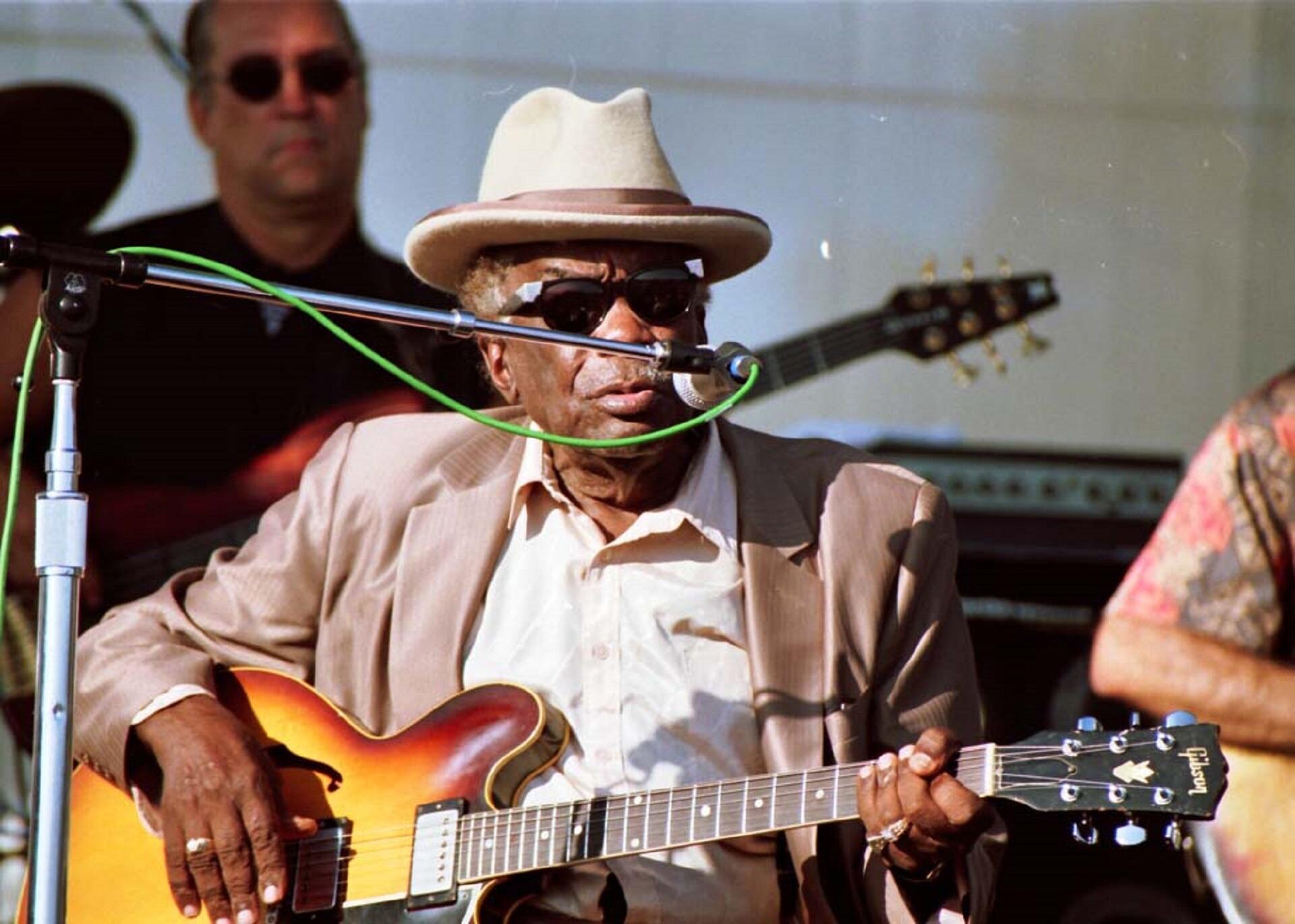
- John Lee Hooker
- Son House
- Leadbelly
- 'Mississippi' Fred Mcdowell
- Lonnie Johnson
- 'Blind' Lemon Jefferson
- Tampa Red
- Robert Johnson
- Tommy Johnson
- Charlie Patton
Blues in the Modern Age
Are you taking piano lessons Perth? If so, you might quiz your teacher about this. The blues music style isn't a monolith; the soulful, heartfelt strains varied in style, depending on where they were produced. In the early days of blues, three main styles emerged:
Delta blues
from Mississippi and the US deep south.
Chicago blues
a livelier version from the north, featuring more instruments.
West coast blues
a smooth, jazzy flavour that originated in California.
Without a doubt, Delta blues is the original, most fundamental blues. Chicago blues emerged in the late 1940s, with the legendary Muddy Waters hailed as the 'father' of this style. West Coast blues emerged as blues artists from Texas migrated to the sunshine state, bringing their music with them. Count T-Bone Walker and Percy Mayfield among their number.
Every subsequent style of blues emerged from these three original styles.
Today, we count a long list of blues subgenres, which incorporate elements of the original blues style. Some of them blur the line between blues and pop and rock music. Let us know which one(s) of these styles you prefer.
| 🎸 Style of blues | 📃 What to know about it | 🎶 Notable artists |
|---|---|---|
| Zydeco early 1900s | A fusion of blues, creole music, folk and gospel music styles. | Clifton Chenier Queen Ida |
| Memphis Blues ca 1910s | Heavy emphasis on the guitar, particularly electric, and jug sounds. | Memphis Minnie B. B. King |
| Hokum Blues 1920s | Loaded with humour and sexual innuendo. | Georgia Tom Tampa Red |
| Piano Blues 1920s or earlier | Centred around piano arrangements, often featuring guitar, percussion, and harp accompaniment. | Ray Charles Doctor John |
| St. Louis Blues 1920s | light, peppy and urban, almost swing style. | Mamie Smith W. C. Handy |
| Jump Blues 1940s | Upbeat, very danceable, with strong backbeats and often featuring a saxophone. | Louis Jordan Amos Milburn |
| Rhythm and Blues (R&B) 1940s | Fusion of gospel, blues, and jazz. | Aretha Franklin Ray Charles |
| Canadian Blues 1950s | Mirrors the Chicago blues style, but with a few twists. | Jeff Healey Colin James |
| British Blues 1960s | Heavy on the electric guitar, focused on the 12-bar blues form. | John Mayall Eric Clapton |
| Punk Blues 1980s | A fusion of punk with blues music. | Alabama 3 The Kills |
Blues Music: Influences on Other Genres
Musicians can do an awful lot with 12 bars and a few flat notes. In fact, they can do so much that the blues genre of music lives on today through their compositions. You might even master a few with your piano lessons Melbourne.
Rock and Jazz Music
It’s already in your head, in your fingers, in your heart...
Richard Dreyfuss, Mr Holland’s Opus.
Think back to your favourite famous piece of jazz piano. Hint: Etta James' At Last on the piano is sublime! This California jazz and blues chanteuse has influenced countless singers with her sultry, smoky voice. Everyone from Christina Aguilera to Adele counts Etta as their primary influence/inspiration.
As for blues' influence on rock'n'roll, the record could hardly be more clear. Think of Led Zeppelin and the Rolling Stones in their heyday. The booming vocals, the call-and-response format and, especially, Jimmy Page's slide guitar all pay tribute to their blues roots.
Moving up a decade or so, have a listen at Steven van Zandt, Bruce Springsteen, and Stevie Ray Vaughn. Their entire catalogues are an ode and testament to the endurance and impact of the blues style.
All of the artists mentioned here and the countless ones we ran out of room to mention all have one thing in common (besides their musical gift). They all play from their head, their fingers, and especially, their hearts - the true wellspring of the blues.
Contemporary Music Styles
No article about blues music - or piano music - would be complete without mentioning rap music. Though some might argue that Tupac's Changes opens with a gospel piano riff rather than blues, the piano helps make the song. Jay-Z, Kanye, and Kendrick Lamar all use the blues piano to inject soulful notes into their compositions. You can learn how they do it with online piano lessons from Superprof.
References
- Hall, Stephanie. “The Painful Birth of Blues and Jazz.” Loc.gov, Library of Congress, 24 Feb. 2017, blogs.loc.gov/folklife/2017/02/birth-of-blues-and-jazz/. Accessed 20 June 2026.
- Music, Phamox. “Melisma: Multiple Notes on One Syllable - Phamox Music.” Phamox Music, 13 Mar. 2026, phamoxmusic.com/melisma/. Accessed 20 June 2026.
- Young, Jeremy. “A Brief History of the Juke Joint — the Original American Live Music Venue.” Hypebot, 16 Mar. 2026, www.hypebot.com/a-brief-history-of-the-juke-joint-the-original-american-live-music-venue/. Accessed 20 June 2026.
- “Early Blues Pianists - PianoGuideLessons.com.” Pianoguidelessons.com, 3 July 2023, pianoguidelessons.com/early-blues-pianists/. Accessed 21 June 2026.
Summarise with AI:
Did you like this article? Leave a rating!

 Loading...