

The history of Australia as we know it today is built on a long, complex past. Understanding Australian history means learning about Aboriginal and Torres Strait Islander history from sources with knowledge and authority on the subject. Reading books about research, lived experiences, and cultural knowledge, without shying away from the effects of colonisation, is important. Find out about some of the most respected Aboriginal history books to begin your learning journey.


Dark Emu, Aboriginal Australia and the Birth of Agriculture – Bruce Pascoe
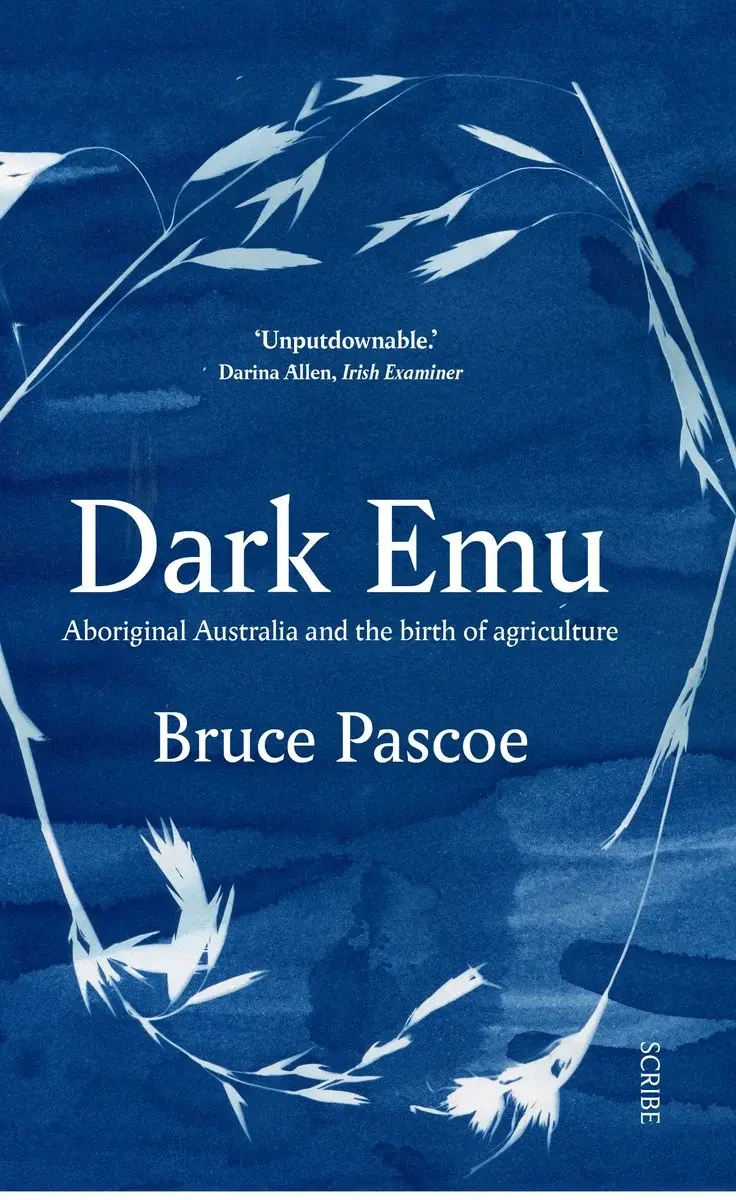
Bruce Pascoe is a respected Aboriginal author and researcher. In his books, he challenges assumptions about pre-colonial Aboriginal life to educate about the real history of Indigenous people.
Using colonial records and journals from early explorers, he presents findings about agriculture, land management, and settlements; all of which were once thought to be concepts “too advanced” for the Aboriginal people. It’s become one of the most-discussed Aboriginal culture books in recent years for breaking down long-held, harmful ideas.
Young Dark Emu: A Truer History – Bruce Pascoe
This simplified version of the above publication was created for younger readers. Pascoe conveys age-appropriate information and key ideas without losing the depth and seriousness of the conversation. School-aged children can learn about how Aboriginal people lived before colonisation and understand why it’s important to care about those perspectives today.
Why Weren’t We Told – Henry Reynolds
Another authority in Australian history, Reynolds examines how Australian history is typically taught (or how it was at the time) and why key information was/is usually omitted. Focusing on frontier conflicts and the lived experiences of Indigenous people during the era of colonial expansion, Reynolds shines a light on many parts of history that are frequently brushed over. His work encourages readers to question and critique things they may have been taught in their youth.
Find out more about the history of Aboriginal Australians from prehistoric times to today.
Fate of a Free People – Henry Reynolds
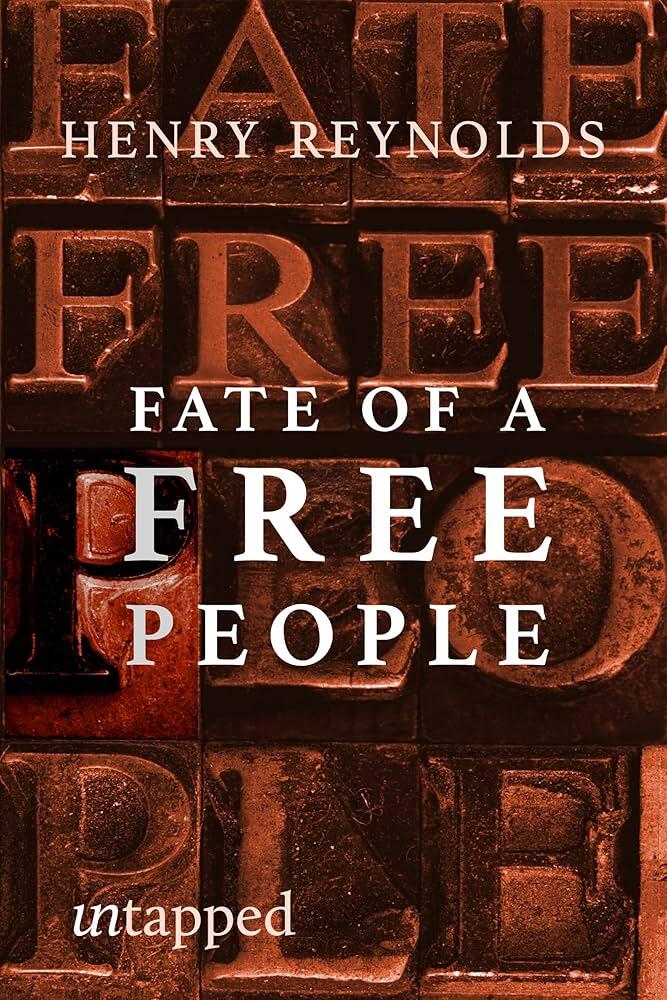
If you want to learn more about the impacts of the British settlement on Indigenous Australians, this is a great read.
Using historical records, Reynolds explains the legal and moral implications resulting from the various actions taken against First Nations people.
The book also examines sovereignty and resistance, and the long-term effects on Indigenous rights.
Nemarluk – Ion Idriess
Nemarluk was an Aboriginal resistance fighter from the Northern Territory. Although written from a non-Indigenous perspective, the book respectfully conveys an important historical moment of resistance against colonial authority. Readers should note, however, the book’s publication date and be aware that it contains older styles of writing, which can be a history lesson in itself.
Triumph of the Nomads – Geoffrey Blainey
This book focuses on the history of Aboriginal societies before European arrival. Blainey explores how Indigenous Australians adapted to the various climates found across Country over thousands of years. It’s another older book that may not reflect more recent First Nations perspectives, so it’s best read as a supporting work on top of other knowledge.
[A] book which has done more than any other to open Australian minds to the pre-European past of their land.
Ken Inglis of the ANU
Van Diemans Land: An Aboriginal History – Murray Johnston
This book explores the conflict, survival, and cultural continuity of Tasmania’s Aboriginal communities in relation to colonisation. Often, the small island’s history is overlooked in broad discussions about Australia, so learning about it specifically is very helpful.
It's Still in My Heart, This Is My Country – John Host with Chris Owens
This work highlights the Noongar native title claim in Western Australia, which began formal negotiations in 2009 when the book was published. Since then, the Title Settlement has been authorised, registered, and the first phases of implementation have recently begun.
The full title of this work is: 'It's still in my heart this is my country' : the single Noongar claim history / South West Aboriginal Land and Sea Council by John Host with Chris Owens.
Learn about the legal history of the title claim to understand modern-day implications. The book also includes personal stories and community perspectives while providing a grounded account of land rights struggles and connection to Country.
Voices of the First Day – Robert Lawlor
What is history without cultural and spiritual context? Lawlor explores Aboriginal spirituality, cosmology, and traditional knowledge systems outside of colonial influence. The book introduces Dreaming stories and connected philosophical ideas, which can be helpful for outsiders who want to learn more about the sacred concept.
In the Aboriginal world view, every meaningful activity, event, or life process that occurs at a particular place leaves behind a vibrational residue in the earth, as plants leave an image of themselves as seeds.
Robert Lawlor, "Voices of the First Day"
Aboriginal Australians: A History Since 1788 – Richard Broome
Broome is a leading Australian historian, and his popular text “Aboriginal Australians” is often considered fundamental reading. The book is a well-researched overview of common Indigenous experiences since the colonisation era. Often used as an educational resource, it provides an evidence-based view and includes information about resistance, adaptation, and modern political movements.
Discover the tools and technologies invented by First Nations people before colonisation.
The Original Australians – Josephine Flood
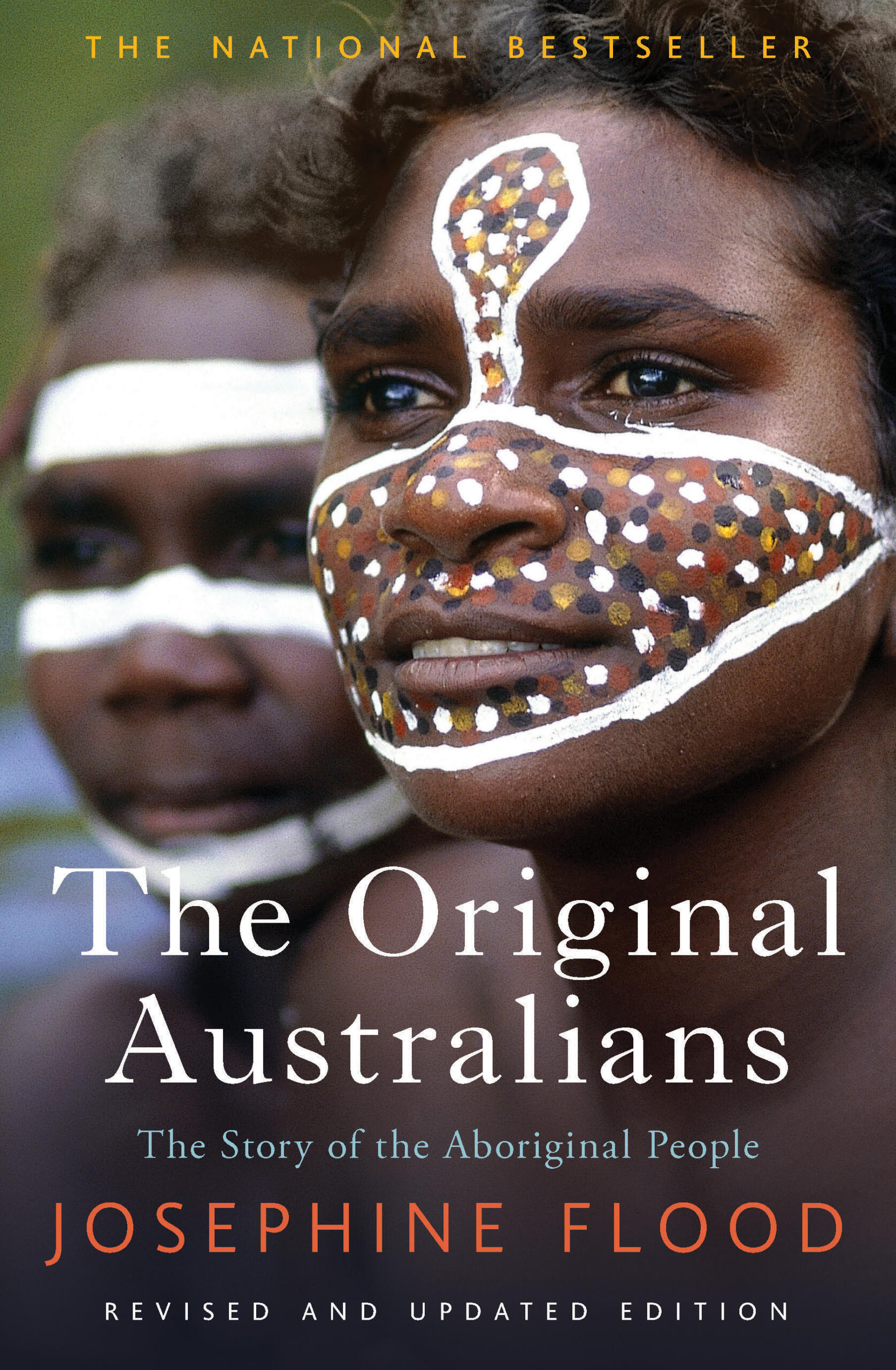
Combining archaeology and anthropology, Flood traces Aboriginal history from ancient times to the present.
The work is educational, yet accessible for anyone interested in learning more.
It’s grounded in research, providing a solid starting point for readers new to books about Indigenous Australia.
Fire Country – Victor Steffensen
Steffensen, who is an Indigenous fire practitioner, provides an account explaining traditional land management, which includes cultural burning. The book explains how Indigenous knowledge systems have historically been used to take care of Country, and what’s been harmed by ignoring or banning the practices. It’s a practical and cultural guide showcasing the importance and relevance of the traditional methods built on a harmony with the land.
The Languages of Australia – R.M.W. Dixon
One angle often unexplored in history books is language. Linguist R.M.W. Dixon provides an exploration of the diversity and structure of Aboriginal languages, which can provide insight into cultural beliefs and shared history. It’s an academic text, which can be daunting for some readers, but can also be a very valuable resource, especially for those with existing knowledge.
Discover more about Indigenous Australian languages.
Talking to My Country – Stan Grant
Blending memoir stories with history, Grant uses his own personal experiences to show the connections between political issues and their real-life backgrounds and implications. It’s an unflinching look at identity, race, and belonging as an Aboriginal person in Australia, in both historical and modern contexts. It’s one of the most celebrated books offering a contemporary First Nations voice and perspective, considered a highly important read.
Carpentaria – Alexis Wright
One of the foremost contemporary award-winning Indigenous authors, Wright’s novel is an approachable entry for learning about history through story. Although a historical fiction, the book reflects real histories and cultural perspectives through an approach rooted in Aboriginal storytelling.
Everything You Need to Know About the Uluru Statement from the Heart – Megan Davis and George Williams
This book explains the Uluru Statement and its significance in Australian constitutional history. Megan Davis, a key contributor to the statement, brings authority and clarity. It helps readers understand recent political developments affecting Indigenous Australians.
Learn about important aspects of Indigenous Australian culture.
Tell Me Why – Archie Roach
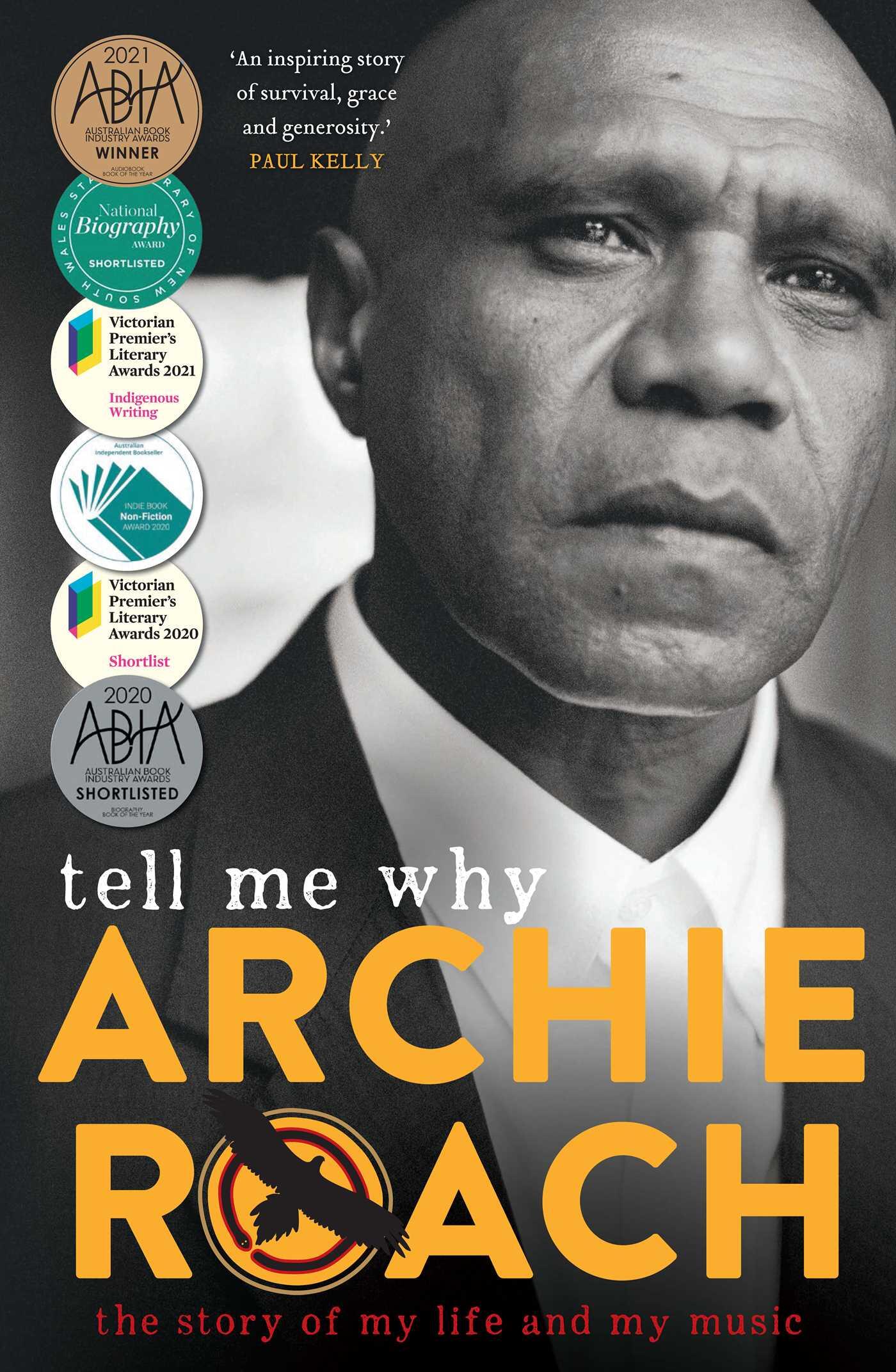
Roach shares his personal history as a member of the Stolen Generations.
It’s a first-hand account of history as well as what those types of events do to a person, as Roach offers insight into trauma, resilience, and cultural identity.
The Biggest Estate on Earth – Bill Gammage
Like Dark Emu, this book explores the evidence of Indigenous land management systems in place long before colonists arrived. Though dense, it offers a deep insight into the relationship between people and land that has long existed and been largely ignored by colonial texts. Debunking myths about pre-colonial Aboriginal people as incompetent is one of the most important things in Australian historical education today.
Reaching Through Time – Shauna Bostock
A strong title among Aboriginal culture books, Bostock’s work examines identity, ancestry, and the impact of colonisation on family histories through personal narrative. Her lived experience shows the very real and lasting effects of the loss of ancestral ways of life.
Growing Up Aboriginal in Australia – Edited by Anita Heiss
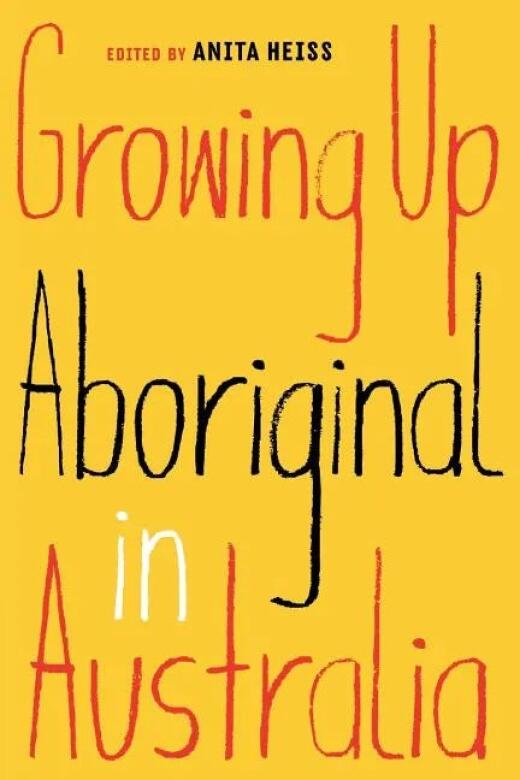
Featuring short personal stories from many different Aboriginal Australians from different regions and backgrounds, this collection provides many first-hand experiences to learn from.
The stories share unique perspectives about identity and everyday life, broadening understanding. It’s often used in schools as one of the most engaging contemporary Aboriginal books for kids and young adults.
Australians All – Nadia Wheatley
Aimed at younger children, this book offers an illustrated history of Australia from ancient times to the present. It includes information about Indigenous life pre-colonisation, the colonisation era, and modern reconciliation efforts. Complex topics are presented in a simple and child-friendly way, making it an accessible work for young readers and classrooms.
Find out about the importance of names in Indigenous Australian tradition.
Say Yes – Jennifer Castles
This children’s book explains the 1967 referendum through a positive story about friendship and fairness. It introduces important historical and political events in a simple and relatable way appropriate for kids.
Charlie’s Swim – Edith Wright
The author writes about their Aboriginal ancestor’s true story of performing a heroic rescue in the 1942 bombing of Broome, Australia. Charlie saved a Dutch woman and a child from shark-infested waters during the attack, and received recognition for the rescue from the Dutch government and the Royal Humane Society of Australasia, but has still never been recognised by the Australian government.
On that sad day, more than eighty people were killed in the attack. Charlie D'Antoine was an ordinary young man who did something extraordinary. He put his own life at risk to save a woman and her child.
Edith Wright, "Charlie's Swim"
Day Break – Amy McQuire with Matt Chun
‘Australia Day’ is a complicated day for First Nations people, and this child-friendly story helps children with Indigenous ancestry, as well as those who do not, better understand. It offers a perspective on Indigenous survival and resistance, especially in the context of the holiday.
Sorry Sorry – Anne Kerr
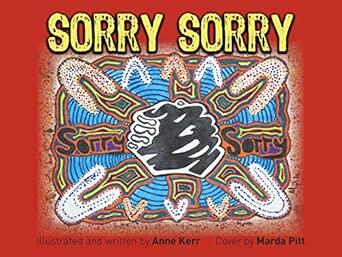
With colourful illustrations by the author, the book introduces the history of colonisation and the beginningslan of reconciliation in an appropriate way for young children. It focuses on how to proceed with mateship, providing a good introduction to these complicated ideas in a simple way.
There are hundreds of books about all aspects of First Nations history, from ancient times to modern-day. Picking up a few good books is a great way to begin deepening one’s knowledge about this extensive and sensitive subject area. As more and more Indigenous voices add their input, it’s important to be open to learning and unlearning new perspectives and facts.
References
- “It’s still in my heart, this is my country.” (n.d.). Trove. https://trove.nla.gov.au/work/31404659
- Search titles. (n.d.). https://press.anu.edu.au/publications/series/aboriginal-history
- Staines, J., & Staines, J. (2025, November 26). Aboriginal History Collection | Koori Curriculum. Koori Curriculum. https://kooricurriculum.com/blogs/news/top-10-childrens-books-to-teach-about-aboriginal-history
Summarise with AI:
Did you like this article? Leave a rating!

 Loading...