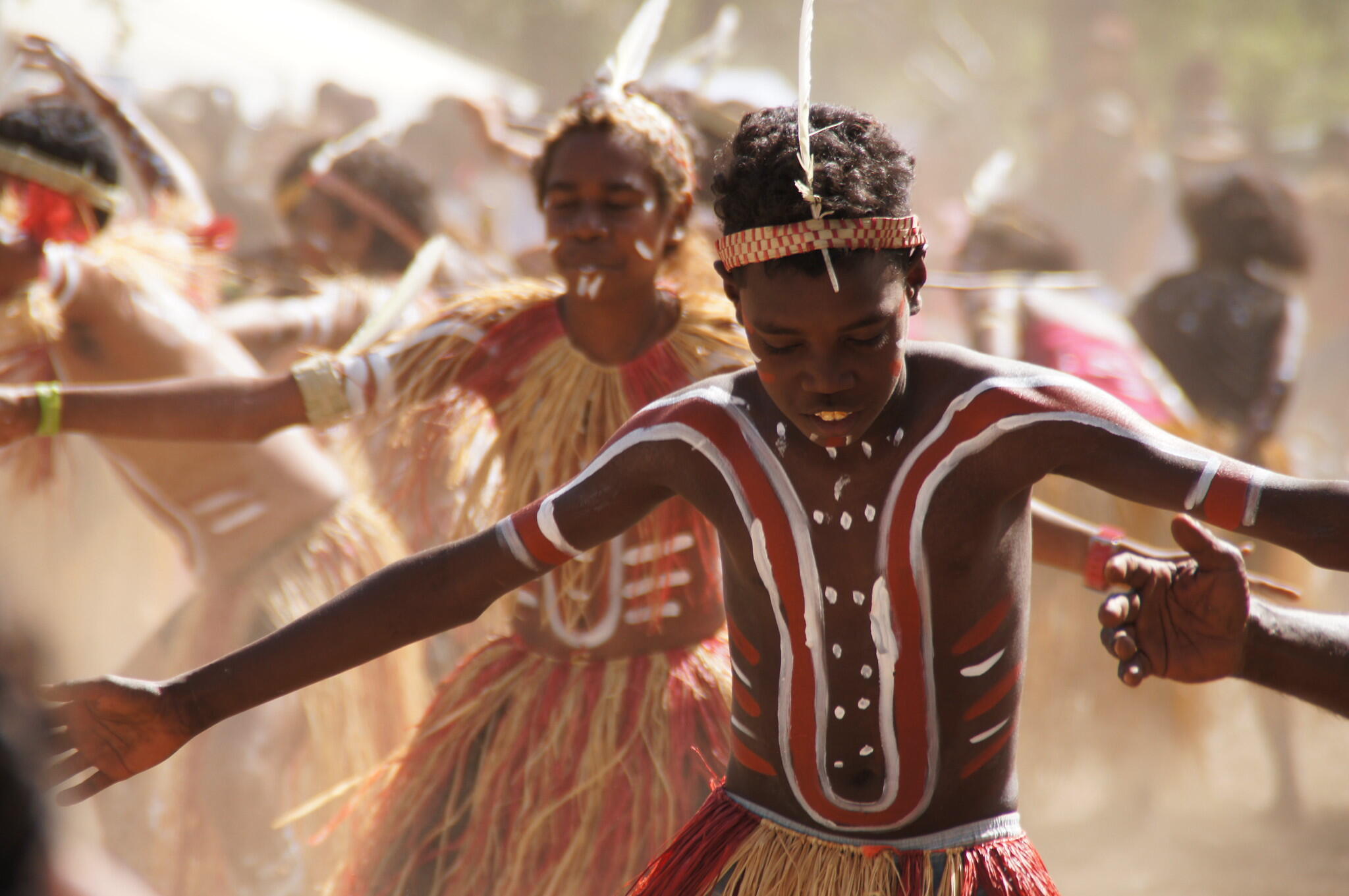

Names carry deep cultural meaning across the world. In Aboriginal Australian communities, they are especially important. Names are connected to mob, land, and identity. Across the country, there are hundreds of cultural and language groups, each with its own naming traditions; there is no single system for Indigenous naming. Find out more about First Nations names both now and in the past.


Who Can Use Aboriginal Baby Names?
Many traditional Australian Aboriginal names sound very appealing to the non-Indigenous ear, but that doesn’t always mean they should be used. Since the beginning of colonisation in Australia in the 18th century, First Nations people often had their names stripped away. For this reason, it’s especially important to be respectful when choosing a baby name.
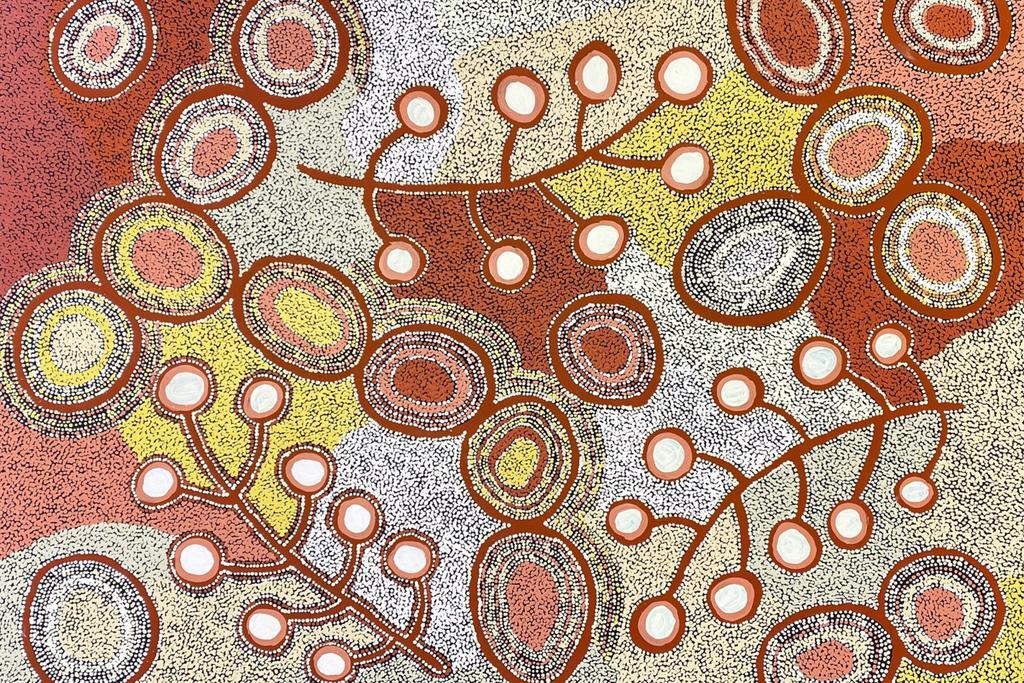
Some names are sacred or have restricted use within specific communities, and using the name without permission can be disrespectful or even harmful. Other names are not restricted and generally open for use. It’s generally accepted that those who want to use Indigenous names should be involved with efforts to improve the well-being and sovereignty of First Nations and Torres Strait Islander communities, even just socially.
To avoid cultural appropriation, it’s important to research to understand why you want to use a specific name, including the origin and history of the name, proper spelling and pronunciation, and meaning. A name should not be chosen just because of the sound or spelling; it should be approached with deep care.
Learn about the history of First Nations people from prehistoric times to today.
Each First Nations group and individual will have different opinions about non-Indigenous people using their names. When possible, seek guidance from Indigenous sources or cultural organisations to learn more about how to be respectful with your choice, and understand that some name options may not be available.
Traditional Aboriginal Names
Naming practices vary across regions, since there were and are hundreds of different clans throughout Country. In many communities, names changed throughout a person’s life, reflecting different ages and status changes.
In general, Indigenous Australian names often have origins in the natural world, referencing plants, animals, geographic features, and even weather. This practice highlights the strong relationship between First Nations people and Land.
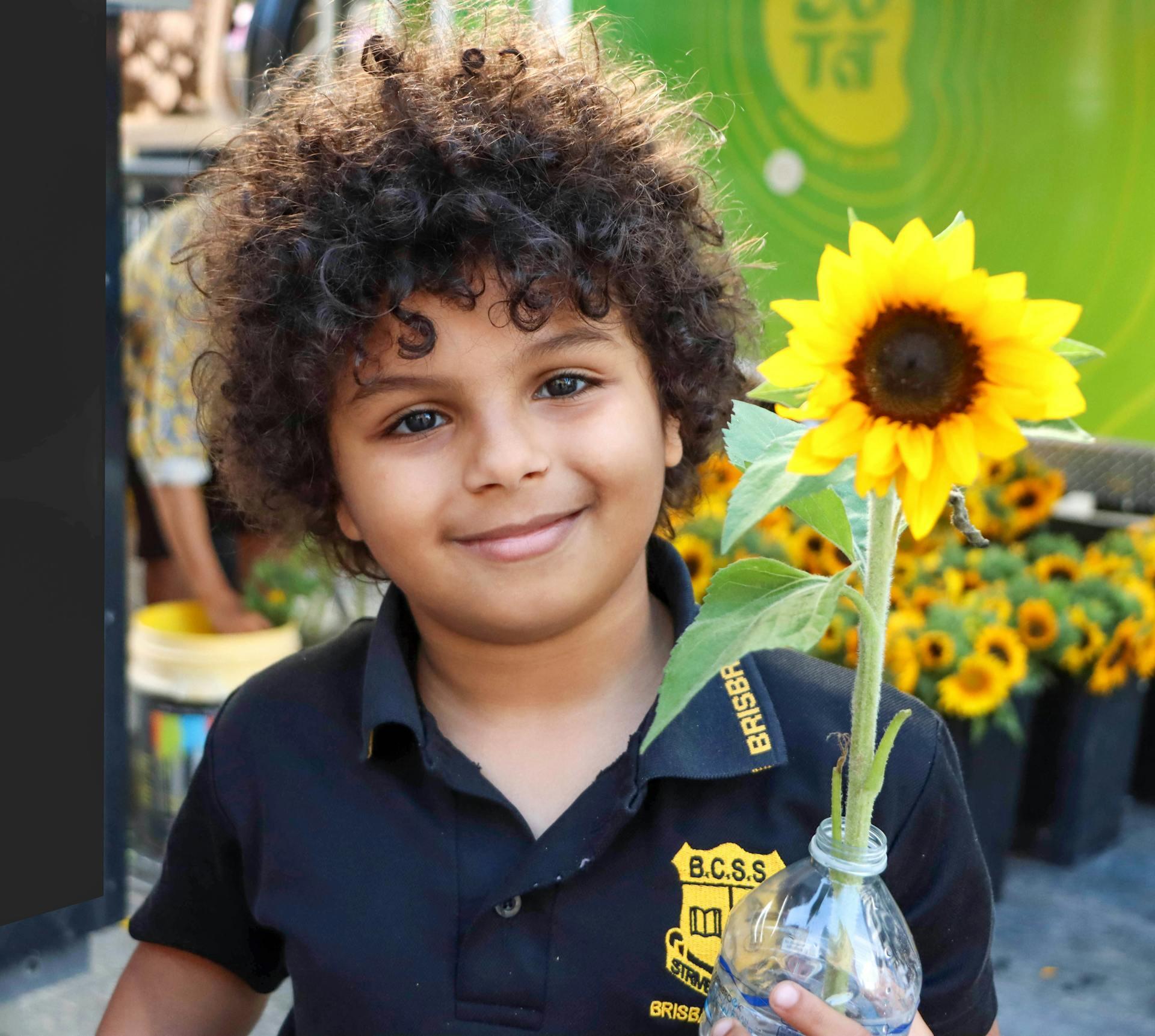
Some clans may name children after an ancestor, while others may seek to have a unique name for each member. Other clans may choose names based on the circumstances of the birth or a notable event.
Many names used by Indigenous people today are considered traditional, stemming from the person’s familial language and culture.
Torres Strait Islander naming traditions are distinct from the mainland, since the cultures there developed in different ways.
Many clans’ naming systems differ from the Western style. The names are often descriptive, reflecting a trait or life event, and can change over time. With over 250 languages once used across the Country, each region has its own conventions.
Skin Names
In many Indigenous communities, skin names act like surnames. They are granted based on the parents’ skin names and help track a person’s lineage, which also helps determine who can marry (if their skin names are not too closely related, according to the individual's moiety).
A skin name can be matrilineal, which means it’s inherited from the mother, or patrilineal, coming from the father. Usually, the resulting name is different from both parents, since it’s a combination of the two. In many cases, all the children from one couple will have the same skin name, indicating they all share equal responsibility for certain duties (usually about raising their siblings’ children).
Skin names paint a type of family and community structure not seen in Western culture, creating a strong bond through kinship.
Discover more about First Nations languages and place names.
Personal or Secret Names
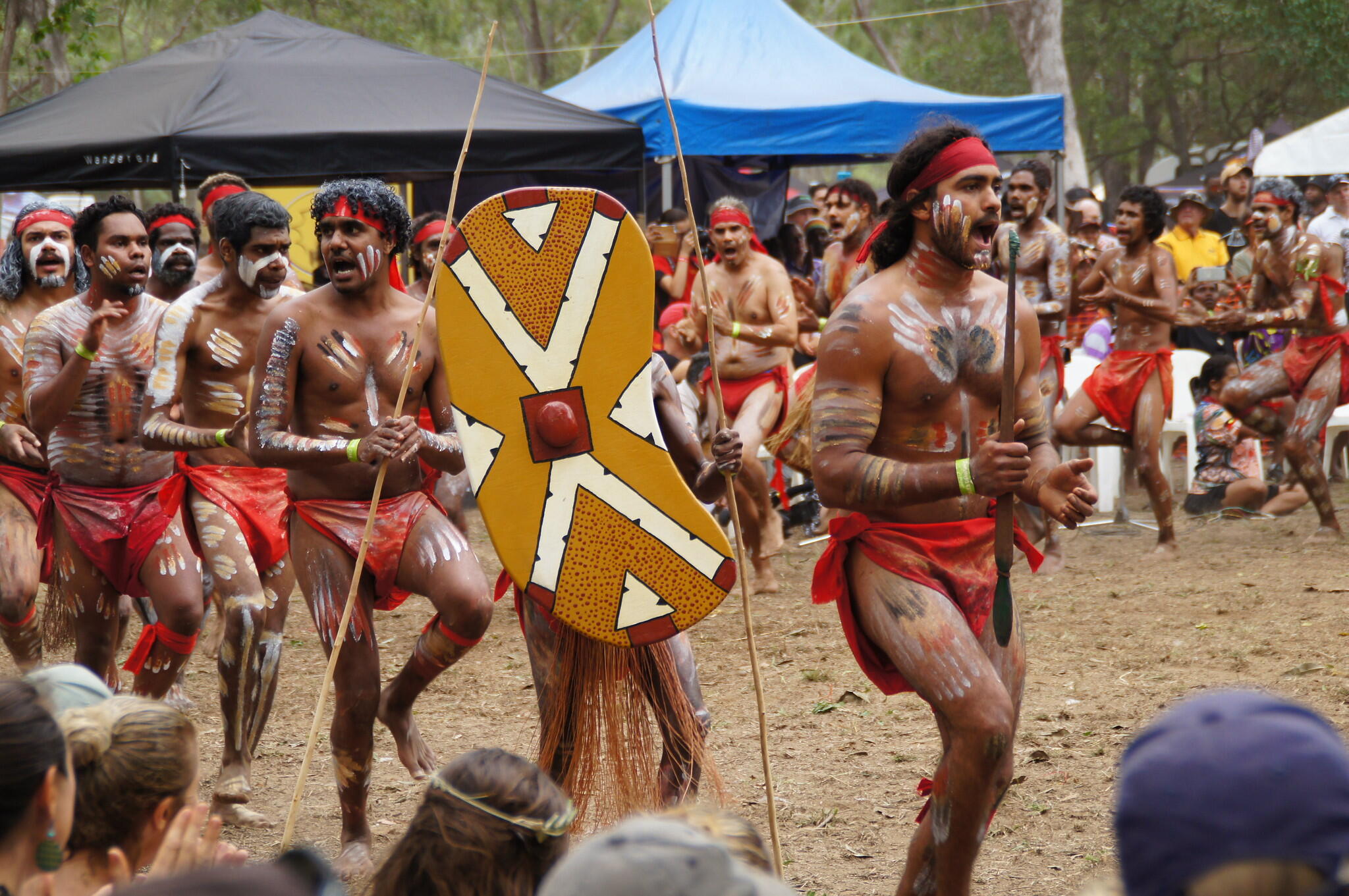
In some clans, special names used in religious, spiritual, or ceremonial contexts were given to individuals and never used outside of those contexts. They may have even been known only to the person bearing the name, as well as the elder(s) who granted it.
These names were not recorded, as they were kept private.
However, in other clans, such types of names may have been used openly.
Nicknames
Within communities, affectionate nicknames were often granted and used more regularly than a person’s official name. Nicknames were usually based on individual idiosyncrasies, appearances, skills, or interests. They could be a word or description that suits the person, naturally derived over time.
Naturally, these nicknames were also Indigenous words, which further confused European record-keepers.
They were different from the nicknames given by Europeans, which were often derogatory and English-based.
History of Names in Indigenous Culture
The modern-day history of Aboriginal names in Australia is irrevocably shaped by colonisation. Many traditional names were lost or altered. Since traditional Indigenous languages were spoken, not written, there was no perfect way to translate them into writing, especially not with the Latin script.
Additionally, European record-keepers hailed from different countries and language backgrounds themselves, meaning they would each write a name down according to the spelling conventions of their own language, such as English or Dutch. To understand why names were lost or became untraceable, consider exploring books to read to learn more about First Nations history.
There were many reasons someone’s name might be lost or untraceable:
- Government policies often forced Indigenous people to adopt an English name.
- Some clans practice changing names over time, meaning one person can have multiple names at different stages of life.
- Adoption, fostering, forced removal and assimilation, marriage, partnership, and simple name changes.
- Working at a pastoral station or at jobs like rodeos or boxing tents could label someone with a different name or stage name.
- Many indigenous people were given ‘nicknames’ like ‘Little Jack,’ erasing their actual name.
- Surnames were not always used, or the person was assigned a surname by a European.
Additionally, many people used different names interchangeably, including a traditional name, a kinship name, a European name, and a nickname.
For all these reasons, many First Nations people today may find it difficult to trace their ancestry, and it reflects how these records were intended to be passed on orally rather than through writing.
Today, language revival programs are working to restore traditional naming practices and rebuild vocabularies in sleeping languages. Tasmanian languages, particularly, are currently undergoing a concentrated reawakening effort.
Discover First Nations technology from the pre-colonial age.
Some famous people who have introduced Aboriginal names to wider audiences include film actors David Gulpilil Ridjimiraril Dalaithngu, Kamil Ellis, and Tasia Zalar.
Returning to Aboriginal Names
Many First Nations people in recent years have decided to change their European names to Aboriginal names, either socially or officially. Those who were part of the Stolen Generations and many who have come after may have been given European names as a way to ‘integrate’ into post-colonial Australian society.
But, should a First Nations person want to connect with their heritage, they can consult with their mob and decide on a suitable name.
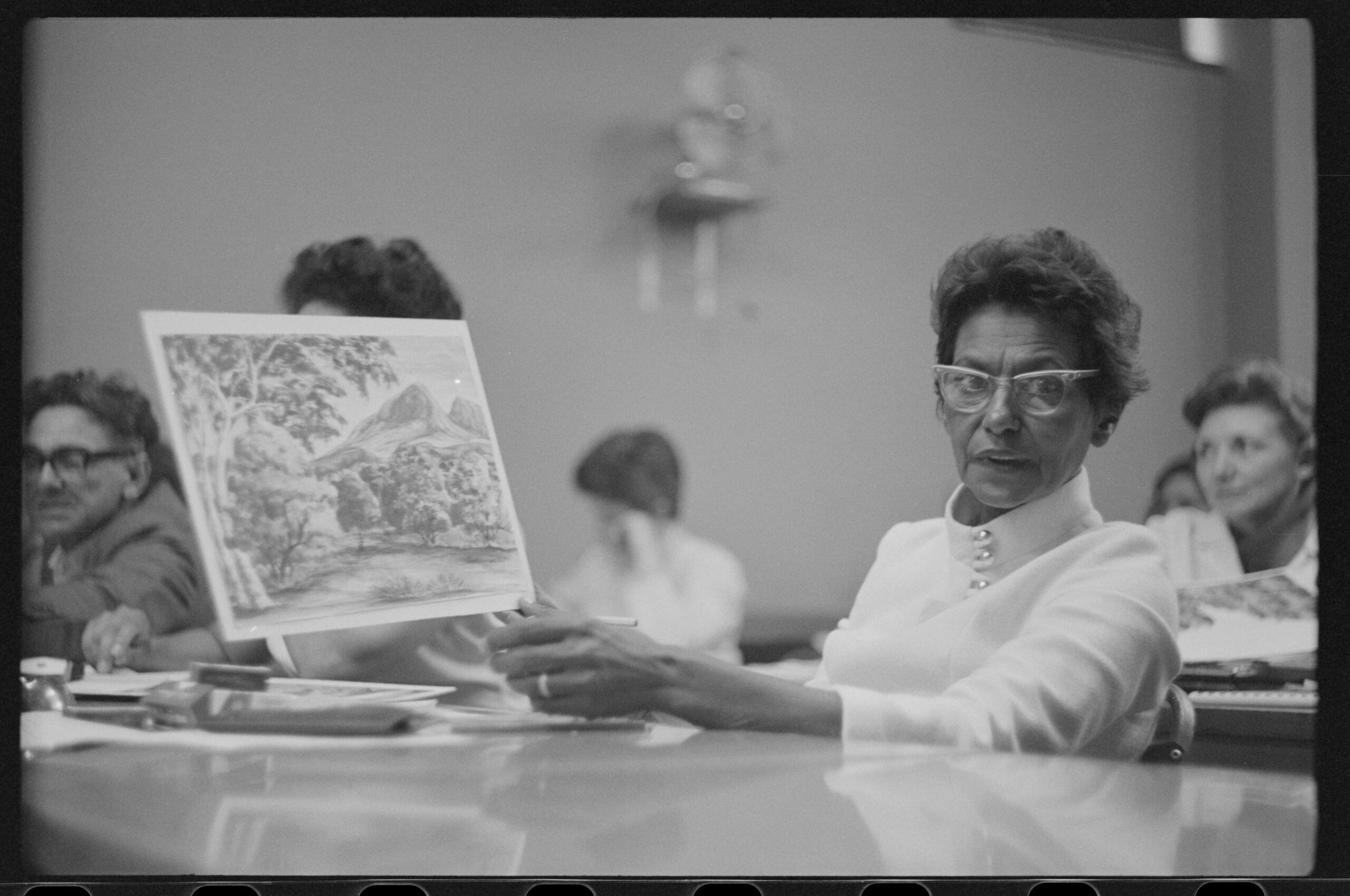
One such example is the famous artist and activist Kath Walker, who changed her name to Oodgeroo Noonuccal, with the surname as the name of her clan.
Popular First Nations Names
Today, there are many popular Aboriginal names being more widely used. As more people are exposed to the names, interest in them grows.
Also important to note is that some names are spelled or pronounced the same way in other languages or have meanings in other languages, such as Arika (sounds like the Old Norse/German 'Erika').
What's important when choosing a name is that you understand the meaning of the name and how to use it respectfully, which is why familiarising yourself with important aspects of First Nations culture is essential.
Here are some examples of Indigenous Australian names and their meanings
| Name | Language | Meaning |
|---|---|---|
| Kirra | Yugambeh | leaf |
| Jarrah | Noongar | type of tree |
| Talia | posibly Wirangu | near water |
| Bindi | Noongar | little girl or butterfly |
| Koa | Kaurna | crow |
| Marli, Maali, Marlee | Noongar | black swan |
| Marli, Maali, Marlee | Biripi | elderberry tree |
| Yindi | Yindjibarndi | to descend |
| Yindi | Yolngu | mother |
| Tarni, Tahnee | Kaurna | surf, wave, breaking wave |
| Lowanna | Gumbaynggir | girl |
| Karri | Noongar | Eucalyptus tree |
| Mirri | Gooniyandi | sun, star |
The list of Indigenous Australian names is immense, and it’s impossible to mention all the names. Additionally, the meanings of many names are not well-known by outsiders. That’s why it’s important to always research and, if possible, consult with First Nations authority figures, like community leaders in Australia, to make sure the name you like is appropriate.
References
- Communities, Evolve. “Aboriginal Skin Names.” Evolve Communities Pty Ltd, 23 Apr. 2023, https://www.evolves.com.au/aboriginal-skin-names/.
- “Discovering Aboriginal Names: Significance and Cultural Identity in Australia.” Aboriginal Centre, https://liveatthecentre.com.au/language-identity/understanding-aboriginal-naming-traditions.
- Forry, L. Elizabeth. “85 Australian Aboriginal Names (with Meanings).” Family Education, https://www.familyeducation.com/baby-names/list-ideas/naming-trends/85-australian-aboriginal-names-with-meanings.
- Indigenous Australian Submitted Names - Behind the Name. https://www.behindthename.com/submit/names/usage/indigenous-australian.
- “Indigenous Names.” Australian Institute of Aboriginal and Torres Strait Islander Studies (AIATSIS), https://aiatsis.gov.au/family-history/you-start/indigenous-names.
- “Is Naming Your Baby Something from Another Culture Appropriation?” ABC News, 14 Feb. 2021. www.abc.net.au, https://www.abc.net.au/news/2021-02-15/baby-name-cultural-appropriation/100008626.
- Triffitt, Geraldine. “Australian Aboriginal Names.” The Indexer, vol. 25, Apr. 2007, https://www.anzsi.org/wp-content/uploads/2019/05/indexer.2007.23.pdf.
Summarise with AI:
Did you like this article? Leave a rating!

 Loading...