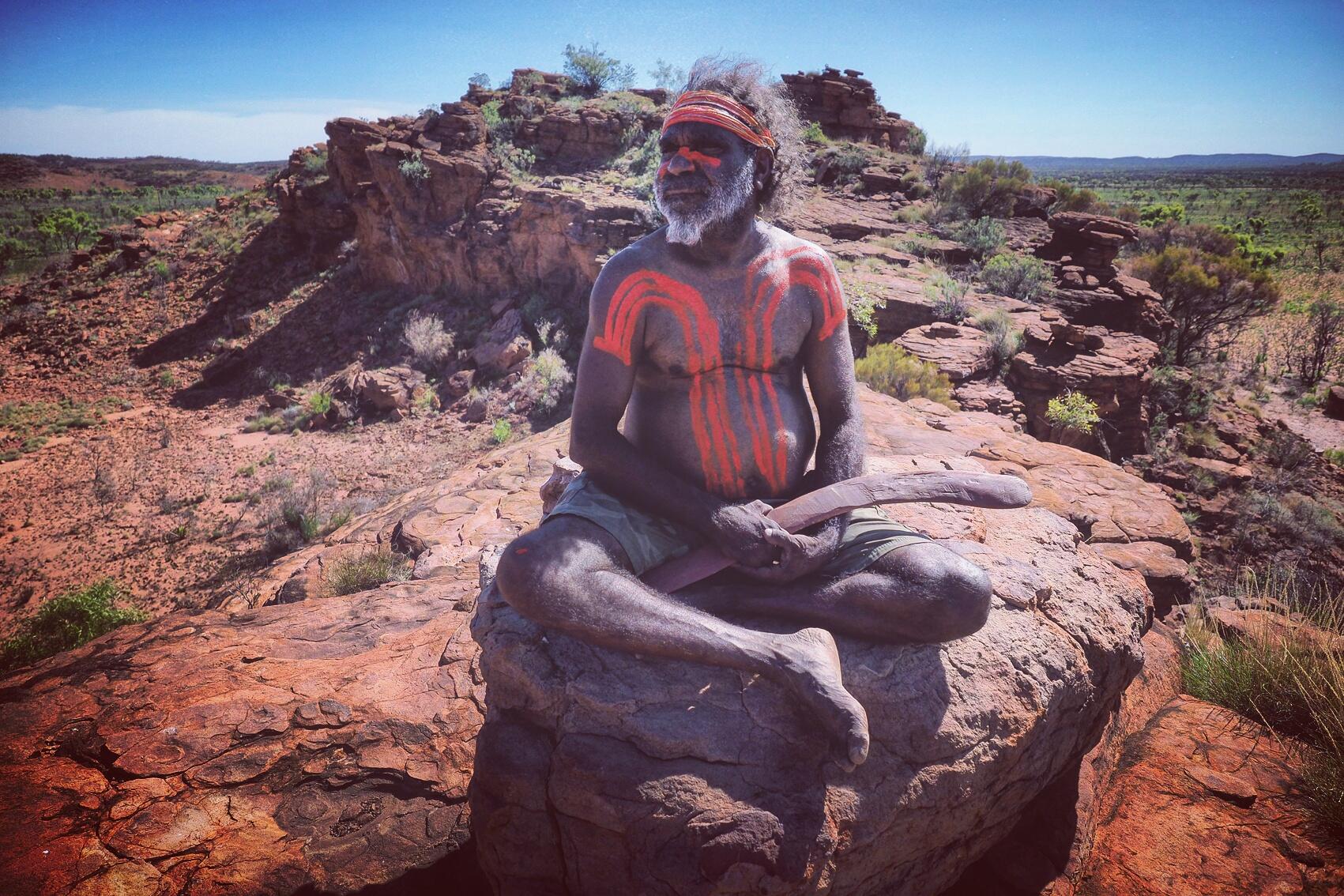

The culture shared by those with Aboriginal ancestry in Australia is one of the oldest continuous cultures in the world. For over 60,000 years, Aboriginal and Torres Strait Islander peoples have lived in the land now called Australia and the islands in the Torres Strait. Discover some of the most important parts of these cultures and histories you should know.


Aboriginal Language Informs Many Australian Place Names
Across all of Australia, you’ll find places with names derived from various Aboriginal languages. Additionally, almost all places commonly referred to with English-derived names also have a name in an Aboriginal language.
The names are usually based on descriptions of the land or what the place was traditionally used for, not unlike the many naming conventions in other countries and languages. Although many original place names and Indigenous languages were removed after European invasion and colonisation, knowledge of most place names has not been lost to history, only suppressed.
Use these informative books to learn Indigenous Australian history.
There is not one name for the Land now known as Australia, since it was traditionally occupied by hundreds of different clans who each used a different name. In modern-day, many First Nations people prefer to call the continent the Land or Country, as a way to convey the all-encompassing nature of the continent. One of the most well-known traditional names is Bandaiyan (Ngarinyin people of the Kimberley).
With new pushes to revitalise Indigenous Australian languages, some places are phasing in using their traditional names more often as a step towards acknowledging First Nations sovereignty.
Here are some well-known Australian places along with their Aboriginal names and meanings:
| Aboriginal Name | Language | Meaning | English Name |
|---|---|---|---|
| Mparntwe | Arrernte | watering place | Alice Springs |
| Tarndanya | Kaurna | red kangaroo place | Adelaide |
| Meanjin/Magandjin | Turrbal and Yuggera | place shaped like a spike / spearhead | Brisbane |
| Gimuy | Yidinji | slippery blue fig | Cairns |
| Canberra | Ngunnawal | meeting place | - |
| Gulumoerrgin | Larrakia | our land | Darwin |
| Nipaluna/nipaluna (controversial) | palawa kani | country at Hobart Town | Hobart |
| Naarm | Woiwurrung and Boonwurrung | place / the bay | Melbourne |
| Boorloo | Nyoongar | river or big swamp | Perth |
| Warrane/Warrang | Eora/Iyora aka Gadigal | cove / fishing spot | Sydney Cove |
It’s important to note that there are usually many names for the same place, depending on which clans or language groups lived in or regularly visited the area. Determining “the” Aboriginal name for a certain place is not always a straightforward endeavour.
The way government agencies approach the process is not always satisfactory for each First Nations person or mob; overall, it’s a sensitive and developing topic that doesn’t have any one solution.
Sorry Business
An important part of the First Nations cultural mourning process, Sorry Business involves specific practices that happen after someone passes away.
The specific practices vary between communities, but the main focus is respect and care. Usually, it’s forbidden to say the name of the recently deceased person so their spirit can go through the process of transitioning to the next world or Dreaming. It’s believed that saying their name calls the spirit back to this world, disrupting the process.
The length of time the name cannot be said varies between mobs:
Some mobs don’t prohibit saying the name at all
Some mobs avoid saying the name for a few weeks
Some mobs never say the name again
Prohibition of the name can extend to pictures, videos, and sound recordings. During Sorry Business, these media may not be allowed to be displayed or played, and the name may not be written and viewed either. That’s why many stories and articles about Aboriginal or Torres Strait Islander people often include a warning that the content may contain a deceased person’s name or photo.
Some communities designate an alternate name, like a nickname, to be used to refer to the deceased person. Others may use a special term that’s applied to all deceased people going through Sorry Business.
Beyond this particular practice, Sorry Business also encompasses group mourning, ceremonies, gatherings, and the use of art, music, and storytelling to honour the deceased person.
Aboriginal and Torres Strait Islander Spiritual Beliefs
One of the most important cultural concepts for outsiders to be aware of is Dreamtime, also known as the Dreaming.
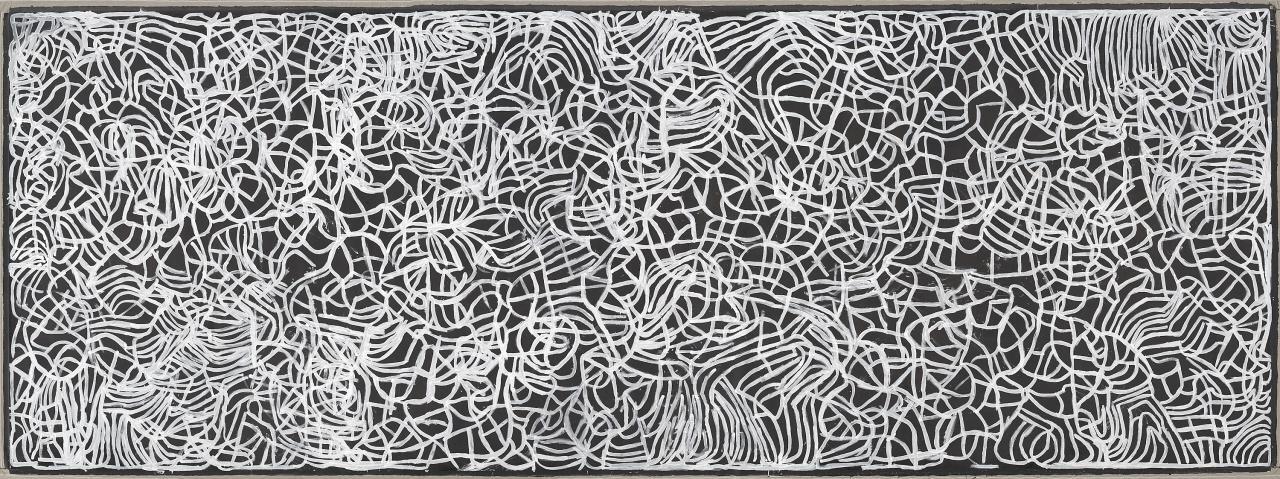
Simply put, Dreaming is the time when ancestral beings created the land, animals, and people. Dreaming is told through creation stories that explain how the world came to be. These stories also share social rules and advice for how people (Indigenous people) should live. Stories are passed down through oral stories, songs, and ceremonies, not through written accounts. However, art and craft items like baskets, carvings, and paintings can also tell Dreaming stories.
Learn more about the history of Indigenous Australians from prehistoric times to today.
In Torres Strait Islander traditions, the Tagai story is particularly important. Tagai is a constellation in the night sky depicting the Creator being, law-giving, warrior/fisherman.
Many Dreaming stories are considered sacred and secret, and are only shared with members of a mob. Furthermore, some stories are only shared with those who complete certain initiation rituals, ensuring that sensitive knowledge is only shared with those who are prepared for it.
Art in Aboriginal Customs and Traditions
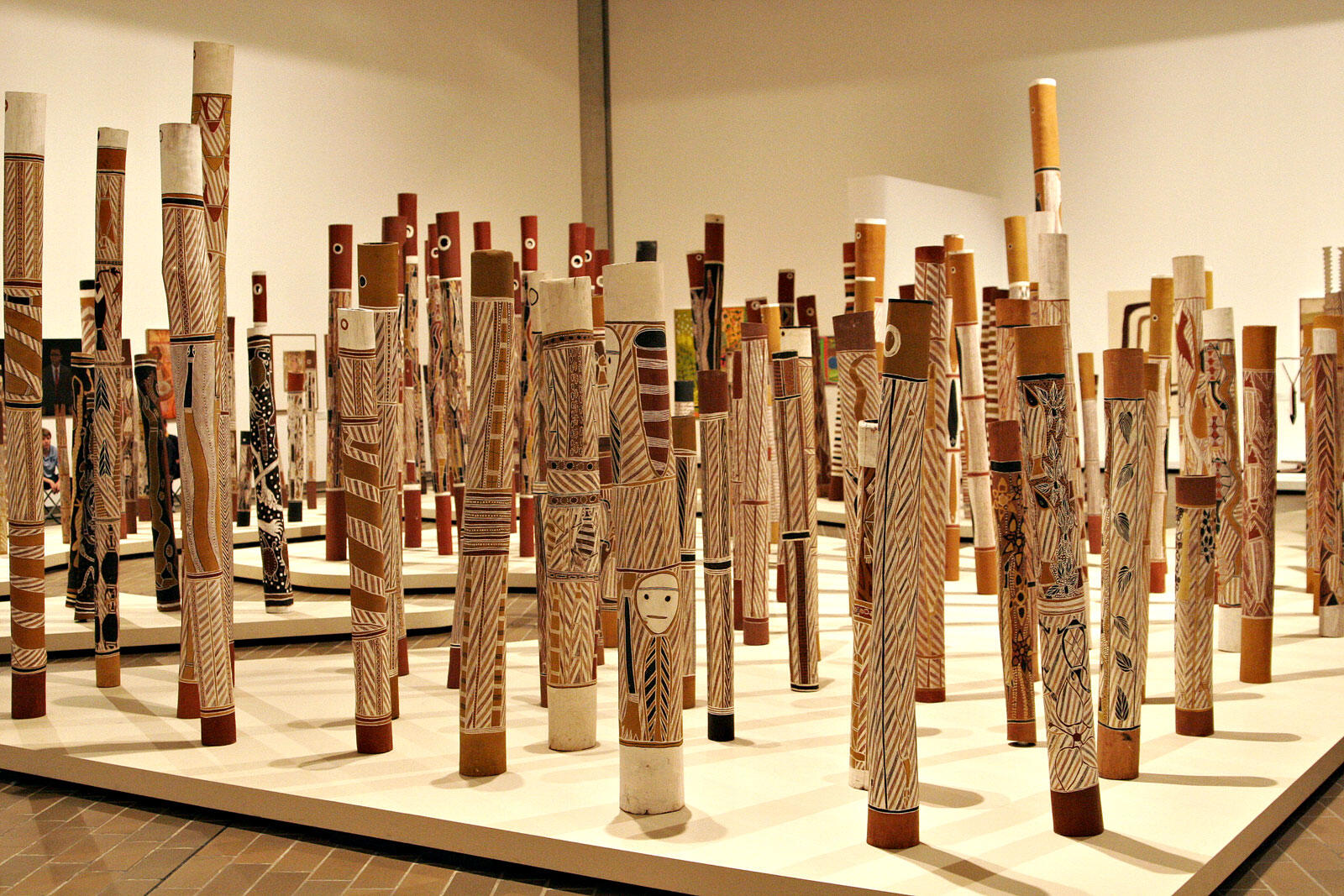
First Nations art is not purely decorative. It’s educational and spiritual, serving as records of important stories and other information, like laws and connections to land.
Traditional Aboriginal art takes many forms, including:
- Rock painting and engraving (petroglyphs)
- Bark painting
- Weaving and textiles
- Wood carving and sculpture
- Beeswax carvings
- Body painting for ceremonies
Some of the oldest known art in the world comes from ancient Aboriginal people. The oldest known rock painting in Australia is of a kangaroo in the Kimberley region, dating back at least 17,500 years. Other samples of art may be as old as 50,000 years, created by the first peoples to arrive on the continent.
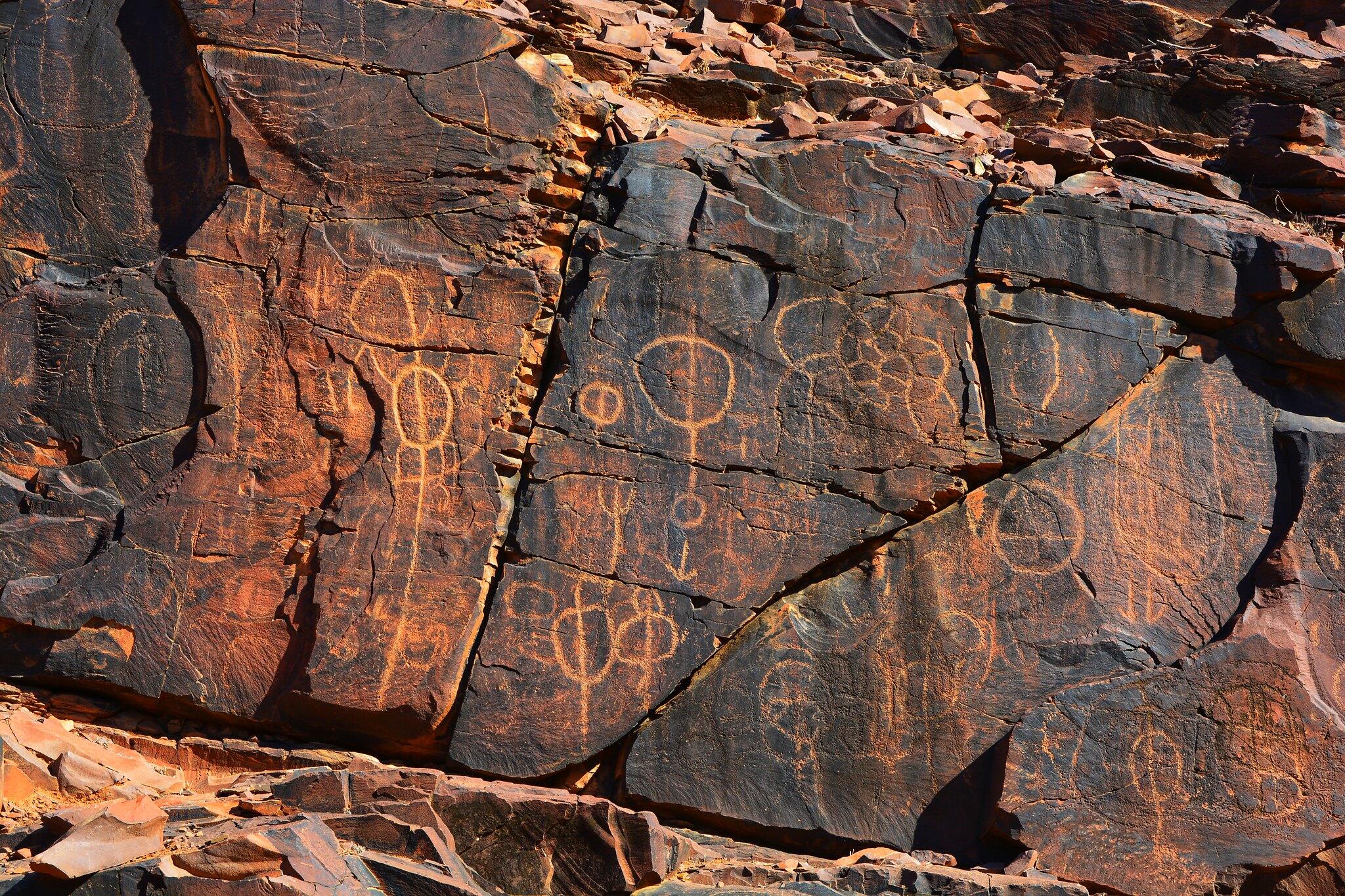
First Nations art features distinct symbols and motifs, usually including animals, people, and shapes that represent specific ideas. The colours usually found are white, ochre, and black, since only natural materials like clay, ochre, and charcoal were used.
Modern Indigenous artists often use their ancestral techniques to create new works that follow ancient traditions.
Find out what tools and technologies First Nations people invented before colonisation.
Where Do Aboriginal and Torres Strait Islander People Live Today?
After colonisation in 1788, the vast majority of First Nations people were forcibly relocated and removed from their families, known as the Stolen Generations. In the late 20th century, reparations began, and some people moved back to their traditional lands.
This is not possible for many, since new developments like cities have irrevocably changed some clans’ land so much that they cannot simply return to it the way it used to be.
In some areas, Aboriginal communities have been built as a way to attempt to allow displaced people to return to the old ways. The system is far from perfect, however, and there are usually many grievances about bush schools and the resources available to these reserves.
The vast majority of people with Indigenous ancestry live around the country and world, the same as any other group of people. Even so, many First Nations people have embraced or are beginning to embrace their heritage and traditions, keeping the culture alive.
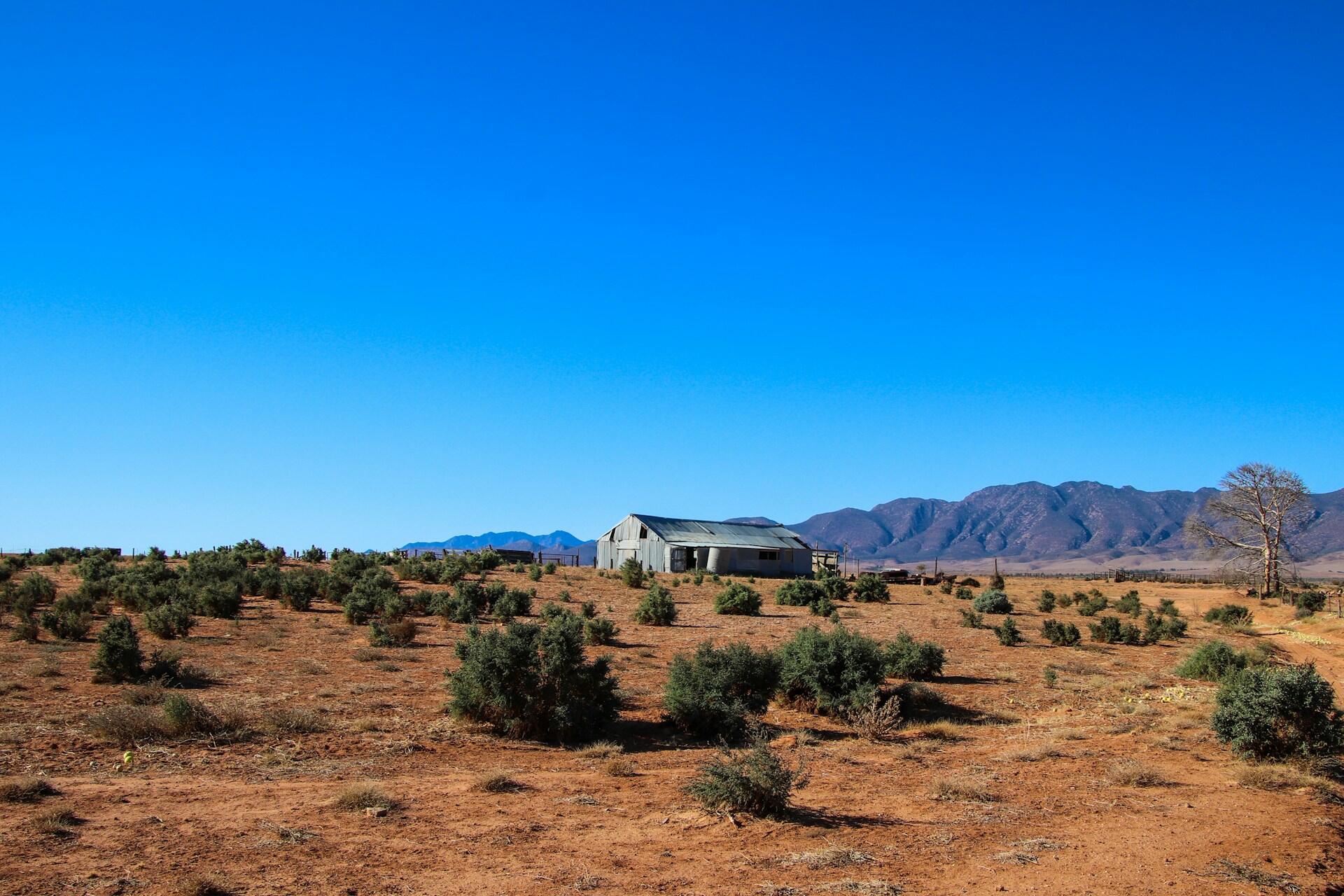
Indigenous Kinship with the Land
Perhaps the most important among the facts of Indigenous Australian culture is that the way of thinking for Aboriginal people, historically, is very different from Western ideals. These days, Indigenous ideas and philosophies are being shared across Australia to show different ways of thinking and existing. Many non-Indigenous people across the country welcome learning about First Nations' beliefs.
One such idea is the connection to land. In Aboriginal tradition, identity heavily revolves around the connection to Country, which is the land that makes up Australia and the surrounding islands. In some mob beliefs, Country is a living being, similar to a god or goddess, though the specific beliefs vary across communities.
Country, in this sense, also refers to the water, sky, plants, animals, and spiritual connections found in the region.
Living in harmony with the land was and is paramount, including practices like controlled burning, seasonal movement and harvesting, and sustainable agriculture.
Early researchers (colonial scientists) believed Aboriginal societies didn’t practice agriculture since they didn’t have farms like the ones found in Europe. However, new evidence proves Indigenous people used land management techniques that supported food production at a healthy scale so as to be in balance with Country. It was seen as important to look after the land and take care of it, rather than possess it and control it.
Find out more about First Nations naming conventions.
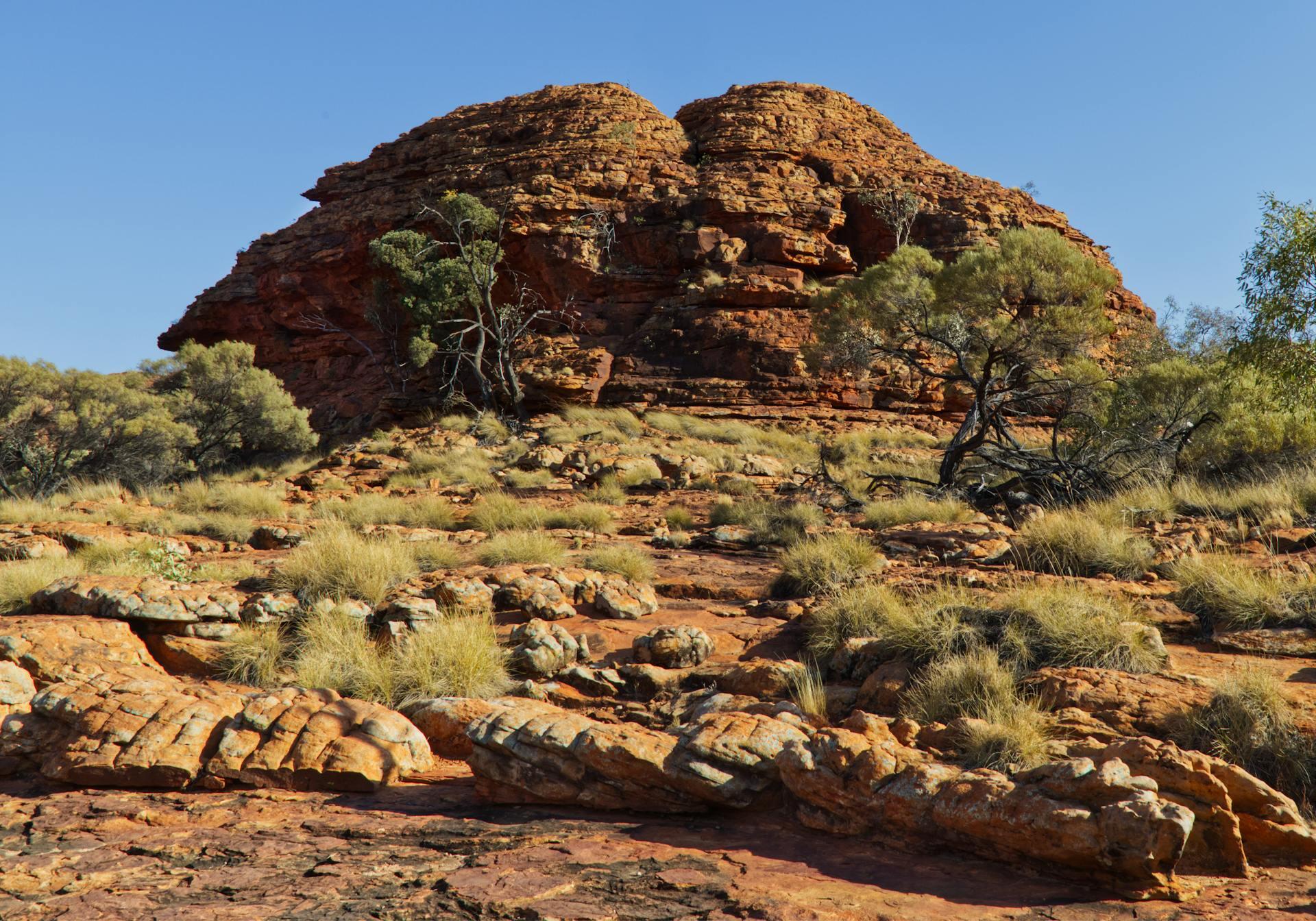
Today, this knowledge is gaining wider recognition. It is increasingly used in environmental management and conservation efforts across Australia.
When learning about any new culture, it’s important to approach with respect and genuine curiosity. Prepare to learn things that challenge your existing beliefs and perspectives, be open to admitting you’re wrong and making changes, listen when someone educates you, and be satisfied with not being allowed to know sacred information.
References
- 8 Interesting Facts About Aboriginal & Torres Strait Islanders | World Vision Australia. https://www.worldvision.com.au/global-issues/work-we-do/supporting-indigenous-australia/8-interesting-facts-about-indigenous-australia.
- “10 Facts About Aboriginal Art.” Kate Owen Gallery - Contemporary Aboriginal Art, https://www.kateowengallery.com/page/10-facts-about-aboriginal-art.
- A Brief Aboriginal History -. https://www.aboriginalheritage.org/history/history/.
- Co-Director, Carla Rogers. “Facts About Aboriginal Culture in Australia.” Evolve Communities Pty Ltd, 20 Mar. 2022, https://www.evolves.com.au/facts-aboriginal-culture-australia/.
- Fact Sheet: Aboriginal Historical Places. 31 Mar. 2025, https://www.firstpeoplesrelations.vic.gov.au/fact-sheet-aboriginal-historical-places.
- First Nations Place Names of Major Cities | Common Ground. https://www.commonground.org.au/article/first-nations-place-names-of-major-cities.
- Spirits, Jens Korff, Creative. “Sorry Business: Mourning an Aboriginal Death.” Creative Spirits, 1 Aug. 2023, https://www.creativespirits.info/aboriginalculture/people/mourning-an-aboriginal-death.
- “The Stolen Generations.” Australian Institute of Aboriginal and Torres Strait Islander Studies (AIATSIS), https://aiatsis.gov.au/explore/stolen-generations.
Summarise with AI:
Did you like this article? Leave a rating!

 Loading...